
Snacks
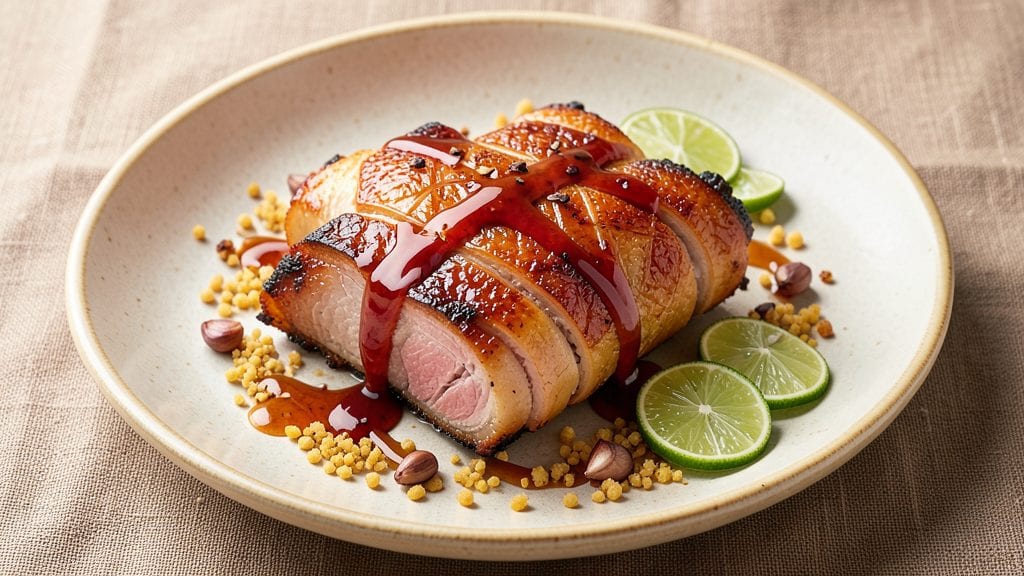
Mastering the art of lechon belly roll delivers crispy cornmeal crust with juicy pink hearts—just like the legendary Filipino street food. This recipe preserves the traditional technique while making it accessible for home cooks, where marinated pork belly transforms into tender, flavorful bites wrapped in a golden crust.
The secret lies in proper marinating, precise rolling, and controlled cooking to balance texture and moisture.
What sets this recipe apart is the cornmeal crust, which creates that signature crispy exterior while keeping the meat unctuously tender inside. We'll cover everything from marinating the belly with a blend of garlic, soy sauce, and calamansi for brightness to rolling and tying it securely before roasting or frying.
The result? A dish that's rich in flavor and cultural authenticity, perfect for gatherings or as a satisfying snack.
By following these steps, you'll achieve a lechon belly roll with perfectly crispy edges that shatter at the touch and succulent, pink centers that melt in your mouth. The aroma alone will draw everyone to the table, while the combination of textures makes each bite unforgettable.
This recipe stays true to tradition while offering a method that's approachable for home cooks.
Serve with a side of spicy vinegar dip or fresh mango salsa to complement the rich flavors. Whether you're recreating a taste of the Philippines or simply craving a delicious snack, this lechon belly roll delivers restaurant-quality results in your own kitchen. Let's get started on creating this beloved dish.
Ingredients for lechon belly roll
Traditional Filipino flavors meet home kitchen precision—just 13 ingredients for authentic lechon belly roll.
| Ingredient | Amount | Notes |
|---|---|---|
| Pork Belly 🥓 | 2 lb | Thick-cut, skin-on preferred |
| Yellow Cornmeal 🌽 | 1 cup | Fine grind for even coating |
| Garlic Cloves 🧄 | 8 cloves | Minced for marinade |
| Soy Sauce 🍶 | ½ cup | Light or regular preferred |
| Calamansi Juice 🍋 | ¼ cup | Substitute lime if unavailable |
| Brown Sugar 🍚 | ¼ cup | Packed, for marinade |
| Black Peppercorns 🌶️ | 1 tsp | Freshly ground for depth |
| Bay Leaves 🍃 | 2 whole | Dried, for marinade |
| Fresh Ginger 🌿 | ½ oz | Grated, aromatic base |
| Vegetable Oil 🫒 | ½ cup | For frying crust |
| Kitchen Twine 🧵 | 2 pieces | 18-inch lengths for tying |
| Salt 🧂 | 1 ½ tbsp | Diamond Crystal preferred |
| Ground White Pepper 🌶️ | ½ tsp | For final seasoning |
The pork belly is non-negotiable for authentic texture. Thick-cut, skin-on pork belly from Whole Foods or your local butcher delivers the best marbling. Look for pieces with visible fat layers—this ensures juiciness during cooking. If you can't find calamansi juice, lime juice works perfectly—just add a pinch of salt to mimic the tartness. For the cornmeal, Bob's Red Mill fine grind creates the crispiest crust without clumping. The kitchen twine should be 18-inch lengths—standard butcher twine works, but heavy-duty cotton twine from craft stores stays put better during rolling.
No calamansi? Substitute lime juice with an extra pinch of salt—the acidity is what matters. Running short on bay leaves? Dried thyme at half the amount provides a similar earthy note. The ginger should be freshly grated—pre-grated ginger loses potency quickly. For the soy sauce, light or regular works best—avoid dark soy sauce, which adds color but not the right flavor profile. The brown sugar should be packed into the measuring cup—lightly tap the cup to remove air bubbles for accurate measurement. If you're concerned about the pork belly being too fatty, pat it dry with paper towels before marinating to help the seasonings adhere better.
Marinated pork belly keeps 3 days in the fridge, covered tightly. The cornmeal crust mixture can be prepped 1 day ahead and stored in an airtight container. For optimal crispiness, reheat the cooked belly roll in a 350°F oven for 10-15 minutes before serving. Leftover cooked belly roll freezes beautifully for up to 3 months—wrap tightly in foil and use the oven to reheat. The twine can be removed before serving, but leave it on until the very last moment to maintain shape during cooking.
Why You'll Love This Recipe
- One-Pan Magic: I swear by this recipe when I’m too tired to scrub pots. The pork belly rolls up neatly in foil, then roasts with the cornmeal crust—no flipping, no fuss. Just slide it in the oven, set a timer, and walk away.
- Crispy-Creamy Obsession: That golden cornmeal crust shatters at the touch, but underneath? Melty, buttery pork belly so tender it falls apart. The garlic and soy sauce caramelize into a sticky glaze that makes every bite worth it.
- Party or Pantry: I’ve served this at barbecues where it disappeared faster than the rice, and I’ve packed it for lunches where it stayed fresh for days. The calamansi juice keeps it bright, so it’s just as good cold as it is hot.
- Budget Stretch: Pork belly might sound fancy, but a slab goes a long way when you’re smart with it. This recipe turns one cut into multiple meals—leftover slices reheat beautifully, and the crust stays crisp even the next day.
Step-by-step instructions for lechon belly roll
Here's the precise method to achieve that signature crispy cornmeal crust with tender pink pork belly hearts.
Prepare and Marinate the Pork Belly
Begin by scoring the skin of the 2 lb pork belly in a diamond pattern, cutting down to but not through the fat layer. This creates channels for the marinade to penetrate while allowing the skin to crisp beautifully. In a medium bowl, combine the 0.5 cup soy sauce, 0.25 cup calamansi juice, 0.25 cup packed brown sugar, 8 minced garlic cloves, 0.5 oz grated fresh ginger, 2 whole bay leaves, 1 tsp freshly ground black peppercorns, and 1.5 tbsp salt.
Massage this marinade thoroughly into the pork belly, working it into all the scored channels. Place the pork belly in a resealable plastic bag, seal tightly, and refrigerate for at least 12 hours or up to 24 hours. This extended marinating time ensures maximum flavor penetration and tenderizes the meat significantly. The pork belly should absorb the marinade completely, with visible color changes indicating proper infusion.
Roll and Secure the Belly
Remove the pork belly from the refrigerator and let it sit at room temperature for 30 minutes before handling. Preheat your oven to 300°F. Place the pork belly skin-side down on a clean work surface and carefully roll it tightly from one end to the other, keeping the fat cap on the outside. This creates the classic cylindrical shape that cooks evenly.
Secure the roll with 2 pieces of kitchen twine, tying them at 4-inch intervals to maintain the shape during cooking. The twine prevents the roll from unraveling while allowing the fat to render properly. Place the secured roll on a wire rack set inside a rimmed baking sheet to allow air circulation on all sides. This setup is crucial for achieving even cooking and crispy skin.
Roast Until Tender
Roast the pork belly roll in the preheated oven for 3 hours, maintaining the 300°F temperature. This low-and-slow cooking method ensures the pork belly reaches perfect tenderness while allowing the fat to render slowly. After 3 hours, check the internal temperature using a meat thermometer inserted into the thickest part of the roll. It should read 195°F to 200°F, indicating the pork belly is fork-tender with a slight resistance.
If the skin begins to brown too quickly, tent the roll loosely with aluminum foil to prevent over-browning while continuing to cook. The goal is to achieve a golden-brown skin while maintaining the juicy pink hearts inside. This cooking time may vary slightly depending on your oven's consistency, so monitor the internal temperature closely rather than relying solely on time.
Create the Cornmeal Crust
While the pork belly roasts, heat 0.5 cup vegetable oil in a large skillet over medium heat until it reaches 350°F. In a medium bowl, combine 1 cup yellow cornmeal with 0.5 tsp ground white pepper. Once the pork belly reaches the proper internal temperature, carefully remove it from the oven and let it rest for 10 minutes. This resting period allows the juices to redistribute, ensuring maximum tenderness when sliced.
Dip the entire surface of the pork belly roll into the cornmeal mixture, pressing gently to adhere the cornmeal evenly. The cornmeal should form a thick, even coating that will create the signature crispy crust. Immediately transfer the cornmeal-coated pork belly to the hot oil in the skillet, working in batches if necessary to maintain the oil temperature. Fry for 2 to 3 minutes per side until the cornmeal crust turns golden brown and crispy.
Rest and Slice for Serving
Remove the pork belly roll from the oil and place it on a wire rack set over a baking sheet to drain any excess oil. Let it rest for an additional 10 minutes before carefully removing the kitchen twine. This resting period is crucial for allowing the juices to settle, ensuring each slice is moist and flavorful. The cornmeal crust should remain crispy while the pork belly maintains its tender, juicy texture.
Slice the pork belly roll into 1-inch thick pieces, cutting through the skin and into the meat. Each slice should reveal the beautiful pink hearts of the pork belly, encased in crispy cornmeal crust. Serve immediately with the rendered pork fat drizzled over the top for added flavor and moisture. The contrast between the crispy exterior and tender interior creates a truly exceptional dining experience.
Pro Tips For Making Lechon Belly Roll
- SCORE THE BELLY: Use a sharp knife to cut shallow slits (about ½-inch deep) across the fat cap before rolling—this helps the cornmeal crust stick and renders fat faster during cooking. I learned this the hard way after my first roll looked like a sad, greasy log instead of crispy perfection.
- DRY THE PORK: Pat the pork belly thoroughly with paper towels before seasoning—wet skin means the cornmeal won’t adhere, and your roll will steam instead of crisp. I skip this step when I’m lazy, but the difference in texture is night and day.
- MARINATE IN GARLIC: Mince the garlic very finely (almost a paste) and rub it directly into the slits and fat cap before rolling. The heat from cooking will mellow the garlic, but this ensures every bite has depth—no cloves left lurking in the center like a bitter surprise.
- REST BEFORE SLICING: Let the rolled pork belly rest for 10 minutes under foil after cooking—this lets the juices redistribute so your first slice isn’t a greasy mess. I know, I know, but trust the process: cutting too soon turns your crispy masterpiece into a soggy disappointment.
Pro cooking tips for lechon belly roll
Scoring the Belly
The diamond pattern scoring is non-negotiable for crispy skin and flavor infusion. Use a sharp chef's knife and cut down to but not through the fat layer—this creates channels for marinade absorption while allowing the skin to crisp beautifully.
I like to make cuts about ½ inch apart in a consistent pattern. For extra crispiness, score the fat layer lightly in between the skin cuts to help render fat during cooking. 🌟
Marinade Timing
Never rush the marinating process—24 hours is ideal for maximum tenderness. I place the pork belly in a resealable bag, seal it tightly, and refrigerate it on its side to maximize surface contact with the marinade.
After 12 hours, flip the bag and massage the belly again to redistribute the marinade. The longer it marinates, the more flavorful and tender the meat becomes.
Rolling Technique
Rolling the belly properly prevents unraveling during cooking. Start with the fat cap facing outward—this creates a protective barrier that helps crisp the skin. Use a long rolling pin or your hands to roll tightly from one end to the other, keeping the shape compact.
The twine should be tied at 4-inch intervals to maintain even pressure and prevent bulging.
Oven Temperature Control
Maintaining a consistent 300°F oven temperature is crucial for even cooking. I recommend using an oven thermometer to verify accuracy, as home ovens can vary by 50°F or more.
If the skin browns too quickly, tent it loosely with foil to slow browning while keeping the interior tender. The goal is a golden-brown exterior with juicy pink centers.
Cornmeal Crust Secrets
The cornmeal mixture must be evenly applied for maximum crispiness. I use Bob's Red Mill fine grind cornmeal because it adheres better than coarser varieties. Press the belly firmly into the cornmeal mixture, ensuring full coverage.
For extra crunch, add ½ teaspoon ground white pepper to the cornmeal before dipping. Fry in batches to maintain oil temperature—overcrowding causes steam buildup, leading to soggy crusts. 🔥
Resting and Slicing
Never skip the 10-minute rest after roasting—this allows juices to redistribute for maximum tenderness. Remove the twine just before slicing to maintain presentation. For perfect slices, use a sharp slicing knife and cut at a 45-degree angle to showcase the pink hearts.
Serve immediately with the rendered fat drizzled over the top for authentic flavor. The contrast between crispy crust and tender meat is what makes this dish unforgettable.
Nutrition facts
Frequently asked questions
Why does the pork belly need to marinate for 24 hours?
The long marinating time is essential for two reasons: first, it tenderizes the meat by breaking down tough fibers, and second, it infuses the pork with deep, savory flavors from the soy, garlic, and calamansi. For best results, don't skip this step—even 12 hours makes a noticeable difference in texture and taste.
Can I use regular cornmeal instead of fine grind?
While regular cornmeal will work, fine grind creates a smoother, more even crust that crisps better. For a compromise, pulse regular cornmeal in a food processor for 10-15 seconds to break it down. The finer texture helps the cornmeal adhere better to the pork belly before frying.
What if my pork belly unravels while cooking?
This usually happens when the twine isn't tight enough or the roll isn't secure. Before cooking, double-check your ties and consider adding an extra piece of twine at the ends. If it starts unraveling during cooking, use a kitchen towel to gently press it back into shape. The key is rolling tightly with the fat cap outward to maintain structure.
How can I make the cornmeal crust extra crispy?
For maximum crispiness, make sure your oil reaches 350°F and fry in small batches to maintain temperature. Press the cornmeal mixture firmly onto the pork belly before frying, and consider adding ½ teaspoon ground white pepper to the cornmeal for extra crunch. Also, fry for exactly 2-3 minutes per side—don't overcook or the crust will burn.
Can I make this ahead of time?
Yes! The marinated pork belly can be refrigerated for up to 3 days, and the cooked roll reheats beautifully in a 350°F oven for 10-15 minutes before slicing. For presentation, remove the twine just before serving. The cornmeal crust stays crispy when reheated properly, though it's best enjoyed fresh.