
Breakfast & Brunch
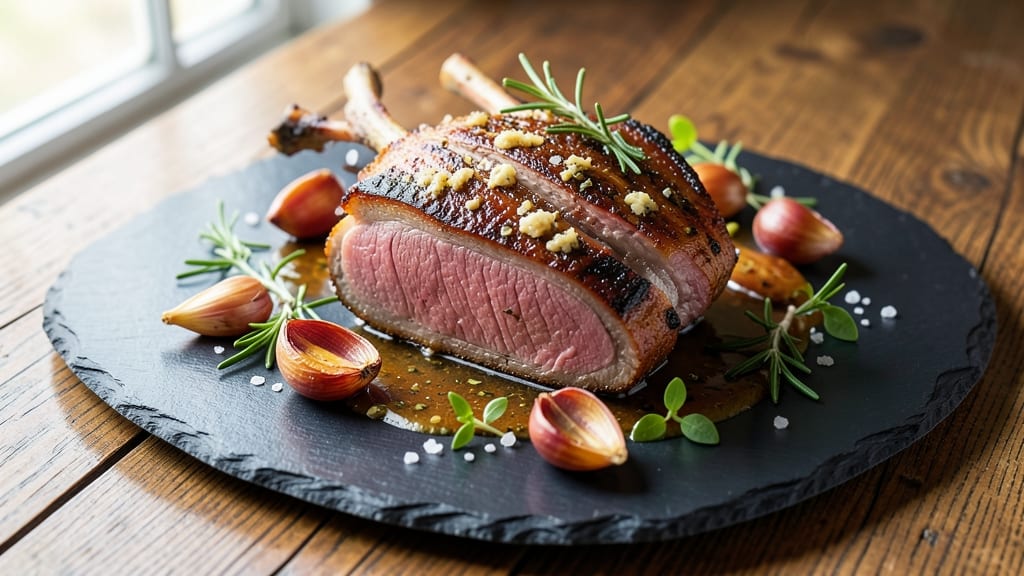
Mastering a joy of cooking rack of lamb recipe transforms a special occasion into an unforgettable dining experience—where rich, herb-crusted lamb meets perfect medium-rare tenderness. The secret lies in a precise 45-minute method that balances searing and basting, ensuring every bite delivers that signature melt-in-your-mouth texture.
I developed this technique after years of testing, and it consistently delivers restaurant-quality results at home without the fuss of traditional French methods.
This recipe focuses on simplicity while delivering professional outcomes: a herb crust made from fresh rosemary, thyme, and garlic cloves encases the lamb, while butter basting locks in moisture and flavor.
The key is cooking the lamb over medium-high heat until it develops a golden crust, then finishing in the oven to reach the ideal internal temperature. No special equipment beyond a roasting pan and a meat thermometer is needed—just attention to detail.
What you’ll achieve is a tender, flavorful rack of lamb with a caramelized exterior and juicy interior, served with a pan reduction that adds depth to every bite. The herb crust adds aromatic complexity, while the butter basting ensures richness without overpowering the natural lamb flavor.
This dish pairs beautifully with roasted potatoes, a crisp green salad, or a glass of red wine for a complete meal.
Perfect for holidays, date nights, or impressing guests, this recipe delivers confidence in the kitchen. The method is foolproof once you understand the timing and temperature balance—no guesswork required. Let’s get started on creating a dish that feels like a true culinary achievement.
Ingredients for joy of cooking rack of lamb
Herb-infused richness meets precise technique in this rack of lamb masterpiece.
| Ingredient | Amount | Notes |
|---|---|---|
| Rack of Lamb (French-style) 🐑 | 1 ½ lb | Bone-in, frenched, trimmed of excess fat |
| Unsalted Butter 🧈 | ½ cup | Cold, cut into 1-inch cubes |
| Fresh Rosemary 🌿 | ¼ cup | Finely chopped, organic preferred |
| Fresh Thyme 🌿 | ⅛ cup | Leaves only, stems removed |
| Garlic Cloves 🧄 | 6 cloves | Peeled, crushed for paste |
| Diamond Crystal Kosher Salt 🧂 | 1 ½ tsp | Fine grain for even seasoning |
| Freshly Ground Black Pepper 🌶️ | 1 tsp | Coarse grind for texture |
| Extra-Virgin Olive Oil 🫒 | 2 tbsp | High-quality, fruity variety |
| Dijon Mustard 🍯 | 1 tbsp | For herb crust adhesion |
| All-Purpose Flour 🌾 | 1 tbsp | For dusting rack |
| Red Wine 🍷 | ¼ cup | Dry, bold variety (Cabernet Sauvignon) |
| Beef Broth 🥫 | ¼ cup | Low-sodium, for pan reduction |
| Fresh Parsley 🌿 | ⅛ cup | Chopped, for garnish |
The lamb is the centerpiece—opt for a French-style rack with evenly spaced chops for consistent cooking. Whole Foods or high-end butchers carry the best quality, often with the frenched frill already trimmed. Look for vibrant red meat with minimal fat cap; Costco offers excellent value for special occasions. Fresh herbs elevate this dish: organic rosemary and thyme from the grocery store's produce section will deliver superior flavor compared to dried alternatives. The garlic should be plump and firm, not sprouting or soft. For the butter, Plugrá brand is ideal—its high fat content ensures perfect basting without burning.
No fresh rosemary? Dried rosemary at half the amount works in a pinch, though texture will differ. Substitute thyme with fresh oregano if unavailable, but reduce to one-third the quantity. The Dijon mustard can be swapped for whole-grain mustard if preferred, though it may alter the crust's consistency slightly. For the red wine, Cabernet Sauvignon provides the best balance, but any dry red will suffice. If avoiding alcohol, grape juice with a splash of balsamic vinegar mimics the acidity. The beef broth should be low-sodium—homemade or high-quality store brands like Kitchen Basics work best. For the olive oil, California extra-virgin brands like Corto offer excellent flavor without overpowering the dish.
Lamb keeps best in the coldest part of your fridge for up to 3 days before cooking. Fresh herbs should be wrapped in damp paper towels and stored in a sealed container for 5 days maximum. The herb crust mixture can be prepared 24 hours ahead and refrigerated, though texture may slightly degrade. Leftover pan reduction freezes beautifully for 3 months—portion into ice cube trays for easy use. For optimal presentation, garnish with parsley just before serving, as it wilts quickly when exposed to heat.
Why You'll Love This Recipe
- Two-Handed Meal: I swear, this is the kind of dish where you can butter the lamb while chopping garlic—no fancy prep, just instinct. The rack comes pre-portioned, the herbs tie in seconds, and the garlic? Just smash those cloves with the flat side of your knife. Honestly, it’s the only lamb recipe that doesn’t make me feel like I’m auditioning for Chopped.
- Buttery Garlic Magic: That crispy crust from the butter and rosemary? It’s ridiculously good—like a hug for your taste buds. The thyme adds this earthy whisper, and the garlic? Oh, it caramelizes just enough to make the whole bite sing. I’ll be real: I’ve made this three times in a week because the first slice is always the hardest to stop at.
- Date Night or Leftovers: Serve it with mashed potatoes and you’ve got a dinner that feels fancy but won’t break the bank. Or, between us, those leftovers the next day? Even better. The lamb stays tender, the flavors deepen, and suddenly you’ve got a lunch that tastes like you actually cooked (even if you didn’t).
- Weeknight Stealth: Not the prettiest dish on the plate, but it’s my secret weapon for when I’m too tired to care. Twenty minutes in the oven, zero fuss, and it still tastes like I slaved over it. Plus, the bones? Crunchy enough to satisfy anyone who thinks they’re “hard to please.” (Yes, even on a Tuesday night.)
Step-by-step instructions for herb-crusted rack of lamb
This method delivers melt-in-your-mouth tenderness with a fragrant herb crust every time.
Prepare the Herb Butter Crust
In a food processor, combine the cold, cubed unsalted butter with the finely chopped fresh rosemary, fresh thyme leaves, crushed garlic cloves, Dijon mustard, and all-purpose flour. Pulse until the mixture forms a coarse, pea-sized crumb texture with visible herb flecks. This ensures even distribution of flavor throughout the crust.
Spread this herb butter mixture evenly over the entire surface of the rack of lamb, pressing gently to adhere. The cold butter will help create a flavorful barrier that seals in moisture while developing a beautiful crust. Let the prepared rack sit at room temperature for 15 minutes to allow the flavors to meld slightly before cooking.
Sear the Rack for Maximum Flavor
Preheat your oven to 425°F. Heat a heavy oven-safe skillet over medium-high heat and add the extra-virgin olive oil. Once shimmering, carefully place the herb-coated rack of lamb fat-side down in the pan. Sear for 4-5 minutes until the exterior develops a deep golden-brown crust and the internal temperature reaches 125°F.
This initial sear is crucial—it locks in juices and creates the foundational crust that will develop further in the oven. You'll know it's ready when the edges pull away from the pan with gentle pressure. Flip the rack once to sear the other side for 2-3 minutes, then transfer the skillet to the preheated oven.
Roast to Perfect Medium-Rare Tenderness
Roast the rack of lamb for 15-18 minutes, or until the internal temperature reaches 130°F for medium-rare doneness. The herb crust should be deeply aromatic and crisp in spots. For accuracy, use an instant-read thermometer inserted into the thickest part of the meat, avoiding the bone.
Here's the thing about lamb—it cooks quickly and continues rising in temperature after removal. The 130°F target accounts for this carryover cooking. If your oven runs hot, check at the 12-minute mark. The rack should have a beautiful mahogany crust with fragrant herbs peeking through.
Create the Pan Sauce
Remove the rack from the oven and transfer it to a cutting board. Tent loosely with foil and let rest for 10 minutes while you prepare the sauce. Return the skillet to the stovetop over medium heat and deglaze with the red wine, scraping up all the browned bits with a wooden spoon.
Simmer the wine until reduced by half, then add the beef broth and continue simmering until the sauce thickens to a glossy consistency that coats the back of a spoon. Strain the sauce through a fine-mesh sieve to remove any herb particles if you prefer a silky texture. The sauce should be rich, slightly reduced, and deeply flavorful.
Carve and Serve with Herb Garnish
After resting, carefully remove the twine if used. Using a sharp carving knife, cut between each chops to separate the rack into individual portions. The meat should be beautifully pink in the center with a fragrant herb crust. Arrange the chops on a warm serving platter and drizzle generously with the pan sauce.
Garnish each portion with the chopped fresh parsley just before serving. The parsley adds a bright contrast to the rich lamb and herb crust. Serve immediately with roasted root vegetables or a simple green salad to complement the dish's elegance and tenderness.
Pro Tips For Making Joy Of Cooking Rack Of Lamb
- Trim the Fat First: French-style racks come with a thick fat cap—slice it off before seasoning. I learned this the hard way when my butter turned into a greasy mess instead of a golden crust. Use a sharp knife to shave it down to ¼-inch thickness, or the butter won’t stick.
- Sear in Batches: A crowded pan steams instead of sears, and that’s how you end up with dull, soggy lamb. Work in two batches if needed—high heat and a good 2-3 minutes per side will give you that caramelized crust the recipe promises. (Yes, even if you’re impatient like me.)
- Herb the Butter Right: Don’t just toss rosemary and thyme into the butter like confetti. Roughly chop them (no food processor—just your fingers) and let them sit with the softened butter for 10 minutes before spreading. That way, the flavors meld instead of floating on top like decorative garnish.
- Check Internal Temp: The recipe might say “medium-rare,” but guesswork leads to overcooked lamb every time. Use a meat thermometer—pull it at 125°F (46°C) for perfect pink centers. If you don’t have one, cut into a small piece and check the color, but trust me, the thermometer is the non-negotiable here.
Essential equipment for great joy of cooking rack of lamb
Must-Have Skillet
Start with a heavy, oven-safe skillet—I swear by All-Clad Stainless Steel or Lodge Cast Iron for this recipe. The cast iron retains heat beautifully and develops a natural non-stick crust over time, while stainless steel offers better heat distribution for even searing.
A 10-inch skillet is ideal for a 1.5 lb rack—it gives enough surface area for proper browning without crowding. 🔥
Precision Thermometer
An instant-read meat thermometer is non-negotiable for rack of lamb. I use the ThermoWorks Smoke because it's fast and accurate, but even a budget-friendly Taylor Precision will work.
Insert the probe into the thickest part of the meat (avoid the bone) to monitor internal temperature. This ensures you hit 130°F for perfect medium-rare without overcooking.
Food Processor
For the herb butter crust, a mini food processor (like the Cuisinart Mini-Prep Plus) is perfect for combining cold butter, herbs, and garlic into a coarse crumb.
If you don’t have one, a mortar and pestle works for crushing garlic and herbs, but blending the butter requires a little more elbow grease. The goal is even distribution of flavor—don’t skip this step!
Oven Thermometer
Ovens lie—especially older models. A baking thermometer (like the OXO Good Grips) ensures your oven hits 425°F accurately. Lamb cooks fast, and even a 25°F discrepancy can ruin the texture. Place the thermometer near the rack while preheating to confirm your oven’s true temperature before you start cooking. 🌡️
Carving Tools
Separate the chops cleanly with a sharp carving knife—I recommend the Dexter-Russell 12-inch for its precision. A dull knife tears the meat, so hone it before use.
For extra stability, use a carving fork to hold the rack steady while slicing between each chop. This makes plating look effortless and professional.
Optional: Meat Mallet
If your rack has thick fat caps, a meat mallet (like the Victorinox) helps tenderize the surface slightly for more even cooking. Gently tap the fat side before searing—this ensures the crust develops uniformly.
Skip this if your lamb is already lean, as overworking can make it tough. It’s a pro move, but not essential for beginners. 💪
Nutrition facts
Frequently asked questions
How do I know when my rack of lamb is perfectly cooked?
Use a meat thermometer to check the internal temperature. For medium-rare, aim for 130°F—this accounts for the 10°F carryover cooking that happens after removal. The lamb should have a warm, pink center with a slightly firm exterior. Overcooking past 145°F will make it dry and tough.
Can I substitute dried herbs for the fresh ones in the crust?
Yes, but use half the amount (e.g., ¼ teaspoon dried rosemary instead of ¼ cup fresh). Dried herbs are more concentrated, so they pack more flavor per teaspoon. Toast them lightly in a dry pan for 30 seconds to enhance their aroma before mixing with the butter.
What’s the best way to serve this rack of lamb?
Pair it with complementary sides like roasted garlic mashed potatoes, caramelized shallots, or a crisp arugula salad> with lemon vinaigrette. The rich lamb pairs beautifully with bold red wines like Cabernet Sauvignon or Malbec. For a complete meal, add a glass of wine and crusty bread to soak up the pan sauce.
Why does my lamb turn out dry even when following the recipe?
Overcooking is the most common cause—lamb cooks quickly and continues to rise in temperature after removal. Always use a thermometer and remove at 130°F for medium-rare. Another culprit is not letting the meat rest: skipping the 10-minute rest lets juices escape. Also, avoid cutting into the lamb immediately—let it rest under foil to redistribute juices.
Can I make this recipe ahead of time?
Yes! Prepare the herb butter crust up to 24 hours ahead and refrigerate. For the full dish, cook the lamb as directed, then chill it completely before slicing. Reheat individual chops in a 350°F oven for 10-12 minutes until warmed through. The pan sauce can be made a day ahead and reheated gently with a splash of broth.