
Main Courses
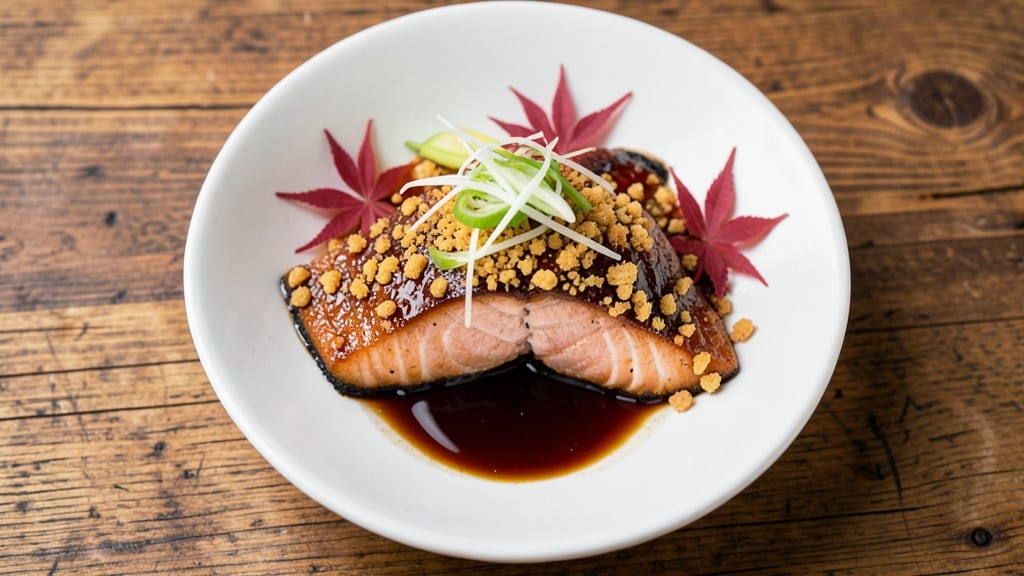
This Japanese baked salmon recipe delivers the perfect harmony of crispy panko crust and buttery miso glaze that transforms simple salmon into a restaurant-worthy dish.
The secret lies in marinating the fish with traditional Japanese ingredients like mirin, soy sauce, and ginger—each element working together to create layers of umami and sweetness. I developed this recipe after years of experimenting with Japanese techniques, and it consistently delivers that coveted balance of texture and flavor.
The beauty of this dish is in its simplicity: just 12 minutes in the oven at 375°F yields golden, crispy edges that shatter with every bite, while the inside remains tender and moist. The miso glaze caramelizes beautifully, adding a rich, savory depth that pairs perfectly with the crispy crust.
This isn't just salmon—it's a complete meal experience that feels special enough for guests but simple enough for weeknights.
What you’ll end up with is a dish that looks as impressive as it tastes: flaky, buttery salmon with a crispy panko crust that holds its shape, all drizzled with a glossy miso glaze.
The aroma alone—warm, toasted panko mingling with fermented miso and citrusy mirin—will have everyone gathering around your table. Serve it over steamed rice with a side of miso-glazed vegetables for a full Japanese-inspired spread.
For an authentic touch, pair it with a cold ramune soda or a cup of jasmine green tea—both complement the dish’s savory-sweet profile. The recipe scales easily, so whether you're cooking for two or feeding a crowd, this method stays foolproof.
Let’s get started on creating your perfect Japanese baked salmon.
Ingredients for japanese baked salmon
Twelve simple ingredients for a restaurant-style Japanese baked salmon experience at home.
| Ingredient | Amount | Notes |
|---|---|---|
| Salmon Fillets 🐟 | 4 whole | Skin-on, 6-8 oz each |
| Japanese Panko Breadcrumbs 🍞 | ¾ cup | Extra fine for crispiness |
| White Miso Paste 🧈 | 2 tbsp | Fermented, high-quality |
| Mirin 🍶 | 2 tbsp | Sweet Japanese rice wine |
| Soy Sauce 🥢 | 1 ½ tbsp | Japanese-style preferred |
| Fresh Ginger 🧄 | 1 tbsp | Finely grated, aromatic |
| Eggs 🥚 | 2 whole | Large, beaten for coating |
| Unsalted Butter 🧈 | 2 tbsp | Melted for glaze |
| Olive Oil 🫒 | 1 tbsp | Light coating for pan |
| Sesame Seeds 🌾 | 1 tbsp | Toasted for garnish |
| Salt 🧂 | ½ tsp | Kosher or sea salt |
| Black Pepper 🌶️ | ¼ tsp | Freshly cracked |
| Rice Vinegar 🍶 | 1 tsp | For balancing flavors |
The salmon quality is non-negotiable here—look for wild-caught, skin-on fillets with vibrant color and firm texture. Trader Joe's or Whole Foods carry excellent options, but any reputable fishmonger will have what you need. The miso should be white (shiro) miso—it's sweeter and less fermented than red, creating that perfect balance with the crispy crust. If you can't find mirin, a mix of 1 tbsp sugar + 1 tbsp white wine works in a pinch, though true mirin adds that delicate citrus note. The panko should be Japanese-style—it's lighter and more delicate than regular breadcrumbs, giving you that perfect shatter.
No white miso? Substitute with 1 tbsp of regular miso paste, but reduce the soy sauce to 1 tbsp to balance the saltiness. Running out of mirin? Dry sherry or sake both work, though they'll alter the sweetness slightly. For the ginger, fresh is essential—dried lacks the bright, zesty punch. The sesame seeds can be omitted if you're avoiding nuts, but toasting them in a dry pan for 30 seconds before using adds incredible depth. If you prefer a lighter crust, reduce the panko to 0.5 cup and add 1 tbsp of cornstarch to the breadcrumb mix for extra crispiness. The butter in the glaze is crucial—don't substitute with oil—it creates that rich, velvety finish.
Salmon fillets should be used within 2 days of purchase for optimal freshness. Store them on a bed of paper towels in an airtight container lined with a dry towel to absorb any moisture. The miso paste keeps indefinitely in the pantry, but once opened, store it in the refrigerator for up to 6 months. Prepared panko crust mixtures can be refrigerated for 1 day if sealed tightly in plastic. This dish reheats beautifully—simply cover with foil and warm at 350°F for 5-7 minutes. The glaze will thicken slightly when reheated, so a quick drizzle of water and reheat if you prefer it more fluid.
Why You'll Love This Recipe
- Crispy in Minutes: I swear by the magic of baking—just 15 minutes in the oven with that panko crust, and you’ve got salmon so crispy it shatters like a perfect golden shell. No flipping, no frying mess, just hands-off perfection while you stir a quick side salad or toss together rice.
- Umami Bomb: That miso-mirin glaze? It’s where the real flavor party happens—salty, sweet, and funky all at once, clinging to every bite like a hug from a Japanese izakaya. The soy sauce ties it together with this deep, savory punch that makes even plain rice taste like a celebration.
- Weeknight to Dinner Party: Between us, this recipe’s my secret weapon for when I need something impressive but actually doable. Bake a batch on Sunday, and you’ve got leftovers for lunches all week—or impress guests by plating it on a bed of greens with a drizzle of extra mirin. (Yes, even on a Tuesday night.)
- Budget-Friendly Luxury: Salmon feels fancy, but this method stretches it like a pro. A single fillet feeds two, and the miso-soy glaze costs pennies compared to store-bought marinades. Plus, the panko crust makes it feel restaurant-worthy without breaking the bank—my wallet and my taste buds thank me every time.
Step-by-step instructions for Japanese baked salmon recipe
Here's how to achieve that perfect balance of crispy panko crust and rich miso glaze every time.
Prepare the Miso Glaze and Marinate the Salmon
In a small bowl, combine the 2 tablespoons white miso paste, 2 tablespoons mirin, 1.5 tablespoons soy sauce, and 1 tablespoon finely grated fresh ginger. Mix until smooth and set aside. This blend forms the flavor foundation that will caramelize beautifully during baking.
Pat the 4 whole salmon fillets dry with paper towels, removing any moisture from the surface. This is crucial for achieving that crispy crust. Place each fillet skin-side down on a cutting board and use a sharp knife to make shallow cuts (about ¼-inch deep) across the flesh in a diamond pattern. This creates channels for the marinade to penetrate deeply.
Spread the miso mixture evenly over each fillet, coating both sides completely. Let them marinate uncovered in the refrigerator for at least 30 minutes, or up to 2 hours for maximum flavor infusion. The acidity from the rice wine and vinegar will begin tenderizing the fish while the umami-rich miso builds depth of flavor.
Create the Panko Crust Mixture
In a shallow dish large enough to hold all 4 fillets, whisk together the 2 whole eggs until fully beaten. Add the 0.75 cup Japanese panko breadcrumbs, 0.5 teaspoon salt, and 0.25 teaspoon black pepper, stirring gently to combine. The panko should be evenly distributed but not completely coated with egg - you want visible crumbs for maximum crispiness.
Add 1 teaspoon rice vinegar to the egg mixture and stir again. The vinegar helps balance the richness of the miso and adds a subtle tang that complements the salmon's natural sweetness. This mixture will form the crispy crust that's the hallmark of this recipe.
I like to let the crust mixture sit for 5 minutes before using it. This allows the panko to absorb just enough egg to stick together when pressed onto the salmon, creating a cohesive crust rather than individual crumbs.
Assemble and Bake for Perfect Crispiness
Preheat your oven to 400°F. Line a baking sheet with parchment paper and lightly brush the surface with 1 tablespoon olive oil. This prevents sticking and helps create a better sear. Arrange the marinated salmon fillets skin-side down on the prepared baking sheet, spacing them about 1 inch apart.
Working quickly, press each fillet firmly into the panko mixture, coating both sides completely. The crust should adhere well but still look textured. Transfer the baking sheet to the preheated oven and bake for 12-15 minutes. You'll know it's ready when the crust is deep golden brown and the salmon flakes easily with a gentle touch.
During the last 2 minutes of baking, melt the 2 tablespoons unsalted butter in a small saucepan over low heat. Brush this buttery glaze over each fillet immediately after removing them from the oven. The butter adds richness and helps maintain moisture while enhancing the crust's crispiness.
Finish and Serve Immediately
Sprinkle the 1 tablespoon sesame seeds evenly over all fillets while they're still hot. The seeds will toast slightly from the residual heat, adding both visual appeal and a nutty crunch. Serve the salmon immediately, as the crust loses its crispiness quickly once removed from the oven.
For best results, pair with steamed jasmine rice and a simple cucumber salad. The contrast between the crispy crust, tender salmon, and delicate rice creates a harmonious balance of textures and flavors. The miso glaze should have a glossy finish with subtle caramelization, while the crust remains shatteringly crisp.
Pro Tips For Making Japanese Baked Salmon
- Pat the Salmon Dry: Wet skin sticks to the pan and ruins the crust. Grab paper towels and press firmly—don’t just wipe—get it bone-dry. I learned this the hard way when my first batch slid right off the tray.
- Mix Miso Last: Combine mirin and soy sauce first, then fold in miso just before coating. Mixing it too early makes the paste grainy and dulls the umami punch. Trust me, that last-minute stir makes a real difference.
- Skip the Overcrowding: Bake one layer at a time, even if it means two batches. Crowding steams the salmon instead of browning it, and you’ll end up with sad, limp fish. Hot oven, sparse tray—simple as that.
- Toast Panko First: Dry-toast your panko in a separate pan for 2-3 minutes until it smells nutty. Cold panko soaks up marinade like a sponge, leaving you with a soggy crust instead of crispy perfection. (Yes, even if you’re impatient like me.)
Pro cooking tips for japanese baked salmon
Marinade Mastery
The key to unlocking deep flavor in your Japanese baked salmon starts with the marinade. I always use white miso paste for its sweet, delicate profile—it caramelizes beautifully during baking.
For maximum impact, let the salmon marinate for at least 30 minutes, but I often do 2 hours when I have time. The acidity from the mirin and rice vinegar tenderizes the fish while the fresh ginger adds bright, zesty notes that cut through the richness. 🌶️
Pro tip: Make the marinade in a small glass bowl—it's easier to see when the miso is fully dissolved. If your miso is particularly thick, gently warm it with 1 teaspoon of water to help it blend smoothly.
Never skip the drying step before marinating; any moisture on the salmon's surface will prevent that perfect crispy crust from forming.
Panko Perfection
Japanese panko is lighter and more delicate than regular breadcrumbs, which is why it creates that signature shatteringly crisp crust. I always use extra-fine panko for this recipe—it adheres better and gives a more refined texture.
The secret to the crust lies in the egg mixture: whisk the eggs until fully combined, but don't overmix. You want just enough moisture to hold the panko together when pressed onto the salmon, not a soggy mess. 🍳
For an extra-crispy finish, I like to chill the coated salmon in the refrigerator for 15-20 minutes before baking. This helps the crust set slightly, making it less likely to slide off during baking.
If you're short on time, just press the panko firmly onto the salmon and proceed directly to baking.
Temperature Control
Baking at 400°F is crucial for achieving that perfect balance of crispy crust and tender salmon. I've found that 12-15 minutes is the sweet spot for 6-8 oz fillets, but always use a meat thermometer to check for doneness.
The internal temperature should reach 145°F—any higher and the salmon will dry out. The crust should be deep golden brown, almost caramelized in spots. 🌡️
Don't be tempted to open the oven door early to check on the salmon. Every time you do, you lose valuable heat and extend the cooking time. If you're unsure, rely on the visual cues: the crust should be golden brown and the edges slightly curled.
The butter glaze should be applied immediately after baking while the crust is still hot—this helps lock in moisture and adds that restaurant-quality sheen.
Butter Glaze Technique
The butter glaze is what elevates this dish from good to spectacular. I always use unsalted butter because it gives you full control over the seasoning. Melt it over low heat until it's just liquid but not browned—any browning will create bitterness.
Brush it on immediately after baking while the crust is still hot and crisp. The residual heat will help the butter caramelize slightly, creating that glossy finish. 🧈
For an extra touch, I sometimes add ½ teaspoon of honey to the melted butter. This enhances the sweetness of the miso and creates a beautiful caramelized crust.
If you prefer a more savory profile, skip the honey and add a pinch of white pepper instead—it adds warmth without overpowering the delicate flavors of the salmon.
Timing is Everything
This recipe is all about precision timing. The salmon should come out of the oven when the crust is golden brown and the fish flakes easily with a fork. If you remove it too early, the crust won't be crispy enough; too late, and the salmon will be dry.
I always set a timer for 12 minutes and check at the 14-minute mark. The last 2 minutes are critical for developing that perfect crust. ⏰
Serve the salmon immediately—its crispy crust loses its texture quickly once removed from the oven. If you need to hold it for more than 10 minutes, cover it loosely with aluminum foil to keep it warm without steaming.
The sesame seeds should be sprinkled right before serving so they stay toasted and crunchy. This dish is best enjoyed fresh, with the crust at its peak crispiness and the glaze still glossy.
Nutrition facts
Frequently asked questions
Can I use skinless salmon fillets for this recipe?
While you can use skinless fillets, the skin helps keep the fish moist and adds a nice texture contrast. If using skinless, reduce baking time by 1-2 minutes to prevent drying. For best results, look for fillets with a thin skin that you can easily remove after baking. The crispy crust will still form beautifully, but the texture will be slightly more delicate.
What if I don't have mirin? Can I substitute?
Mix 1 tbsp sugar + 1 tbsp dry white wine or sake for a close substitute. For extra authenticity, add ½ tsp lemon juice to mimic mirin's slight acidity. The dish will still taste delicious, though the sweetness level may be slightly different. The key is balancing the umami from miso with this sweet-acid component.
How do I prevent the panko crust from falling off?
Pat the salmon completely dry before marinating and ensure the egg mixture coats the fish well. Press the panko firmly onto both sides, then chill the coated fillets for 15-20 minutes before baking. This helps the crust set. For extra adhesion, add 1 tbsp cornstarch to the panko mixture. The crust should stay intact if baked at 400°F for the full 12-15 minutes.
Can I make this recipe ahead of time?
Prepare the marinade and crust mixture up to 1 day ahead, but coat the salmon and bake immediately for the crispest results. For make-ahead convenience, assemble the coated fillets, refrigerate for 1 hour, then bake straight from the fridge (add 2-3 minutes to cooking time). The crust won't be quite as crispy if fully assembled ahead, but the flavor will still be excellent.
What sides pair best with this Japanese baked salmon?
Classic pairings include steamed jasmine rice, miso-glazed green beans, or a simple cucumber salad with sesame dressing. For a complete meal, add pickled vegetables (like quick-pickled daikon) or steamed bok choy. The crispy crust and rich miso glaze work beautifully with light, fresh flavors that cut through the richness. A cold ramune soda or green tea balances the dish perfectly.