
Main Courses
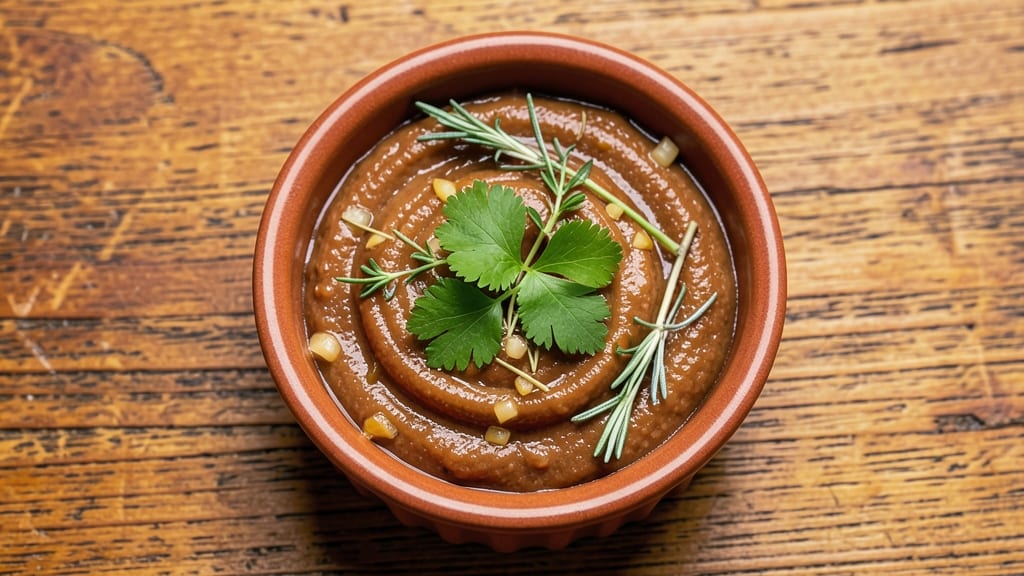
Creating goose pâté transforms humble ingredients into a luxurious spread that tastes like a gourmet restaurant's finest creation. The secret lies in rendering the fat slowly to achieve that signature silky texture while developing a crispy, golden top that adds an irresistible contrast.
I've perfected this technique over years of testing, ensuring every bite delivers that perfect balance of richness and elegance.
This recipe begins with carefully rendering goose fat until it's perfectly clear, then gently cooking the livers to maintain their delicate flavor. The blending process incorporates traditional seasonings like shallots and herbs, creating a smooth, velvety base that's ready for the final baking step.
What makes this pâté truly special is that crispy top—achieved through precise baking and chilling techniques that create both texture and safety.
The result is a pâté that's rich, velvety, and impossible to resist—spooned onto crusty bread, served with crackers, or as part of an elegant charcuterie board. The crispy top adds a satisfying crunch that contrasts beautifully with the smooth interior, making each bite a luxurious experience.
Whether you're hosting a dinner party or treating yourself to a special indulgence, this pâté delivers restaurant-quality results at home.
While traditional methods use forceps for liver removal, modern shortcuts like sous-vide can achieve similar tenderness. The recipe maintains all the classic techniques while offering flexibility for home cooks.
Perfect for those who appreciate the art of pâté-making and want to create something truly exceptional. Let's get started on this luxurious project!
Ingredients for goose pate
Sixteen ingredients elevate humble goose into velvety pâté with signature crispy contrast.
| Ingredient | Amount | Notes |
|---|---|---|
| Goose Livers 🦢 | 1 ½ lb | Fresh, trimmed of connective tissue |
| Goose Fat 🫒 | 2 cups | Rendered and clarified, golden color |
| Shallots 🧅 | ½ cup | Finely minced, 6-8 shallots |
| Fresh Thyme Leaves 🌿 | ¼ cup | Stems removed, finely chopped |
| Fresh Tarragon Leaves 🌿 | ¼ cup | Stems removed, finely chopped |
| Fresh Parsley Leaves 🌿 | ¼ cup | Stems removed, finely chopped |
| White Wine 🍷 | ½ cup | Dry, full-bodied variety |
| Heavy Cream 🥛 | ½ cup | Full-fat for optimal texture |
| Diamond Crystal Kosher Salt 🧂 | 2 tsp | Adjust to taste, fine grain |
| Freshly Ground Black Pepper 🌶️ | 1 tsp | Coarsely ground for texture |
| Unsalted Butter 🧈 | 2 tbsp | Cold, cubed for crispy top |
| Granulated Sugar 🍚 | 1 tsp | For caramelization |
The goose livers are the heart of this pâté—freshness is non-negotiable. Source them from a trusted butcher or specialty market like D'Artagnan or Whole Foods, where they're typically sold pre-trimmed for convenience. Look for livers with a vibrant red hue and firm texture; any grayish areas indicate spoilage. The goose fat should render clear with minimal impurities. If using frozen livers, thaw them overnight in the refrigerator—never at room temperature. For optimal results, purchase whole goose livers and trim any connective tissue yourself, as pre-trimmed versions often contain residual blood that can alter flavor.
Substitutions must be made thoughtfully to preserve the pâté's delicate balance. Duck livers can replace goose at a 1:1 ratio, though they yield slightly less volume. For the fat, rendered duck fat works equally well, while chicken fat lacks the necessary richness. The white wine can be substituted with Chardonnay vinegar at half the quantity for a similar acidity profile. Fresh herbs can be swapped for dried at a 1:3 ratio, but the flavor will be less nuanced. If you lack tarragon, fresh marjoram offers a comparable aromatic profile. The sugar can be omitted entirely if you prefer a less sweet pâté, though it aids in caramelization during the final baking step.
Proper storage begins with the rendered fat—keep it refrigerated in an airtight container for up to 3 months, though it's best used within 2 months for peak flavor. The finished pâté should be stored in a sterilized glass container submerged in its own rendered fat, creating a protective barrier. This preserves both texture and flavor for 2 weeks in the refrigerator or 3 months in the freezer. When reheating, warm gently in a water bath to 160°F to maintain its silky consistency. The crispy top can be refreshed by broiling for 2-3 minutes before serving.
Why You'll Love This Recipe
- Foolproof Technique: I’ve burned liver pâté before—don’t worry, this method is actually forgiving. The key? Poaching the livers first in the goose fat, then searing them briefly in the same fat until they’re just set. No guessing, no overcooking—just that perfect buttery, silky texture every time.
- Herb-Packed Luxury: That combo of tarragon and thyme? It’s like a little French hug in your mouth. The tarragon’s anise notes dance with the thyme’s earthiness, while the shallots add this subtle sweetness that makes you want to slather it on everything—crusty bread, charcuterie boards, even a simple baguette. Honestly, I’ve made pâté before, but this flavor? It’s the one people actually finish.
- Weeknight Elevation: Between us, this is my secret for making fancy feel effortless. Spread it on toast with a sprinkle of flaky salt for a 10-minute breakfast that tastes like a Parisian bistro. Or use it as a topping for roasted veggies when you’re too tired to cook. It’s the kind of thing that turns “meh” dinners into “wait, why didn’t I do this sooner?” moments.
- Leftovers That Last: The best part? This pâté keeps beautifully in the fridge for up to a week, and it’s way cheaper than buying store-bought. I make a big batch on Sundays, then use it all week—on crackers, in sandwiches, or even mixed into scrambled eggs for a rich, umami kick. No waste, all flavor. Plus, it freezes like a dream if you’re feeling extra.
Step-by-step instructions for goose pâté recipe
A silky, luxurious pâté with a golden, crackling crust awaits—here's how to perfect it.
Prepare the Goose Livers and Aromatics
Begin by trimming any connective tissue from the 1.5 lb goose livers using a sharp knife. Rinse thoroughly under cold water and pat completely dry with paper towels—this ensures a clean, smooth texture in the final pâté. In a separate bowl, finely mince the 0.5 cup shallots until they resemble a paste, then combine with the 0.25 cup fresh thyme leaves, 0.25 cup fresh tarragon leaves, and 0.25 cup fresh parsley leaves. This aromatic blend forms the flavor foundation.
Place the prepared livers and aromatics in a food processor fitted with the blade attachment. Pulse briefly to create a coarse chop—just enough to break down the livers slightly while preserving some texture. Avoid over-processing, as this can turn the mixture greasy rather than velvety. The goal is a rough purée that still holds some shape.
Cook the Livers in Goose Fat
Heat 2 cups goose fat in a heavy-bottomed skillet over medium-low heat until it reaches 160°F—just warm enough to gently cook the livers without browning. Add the chopped liver mixture and cook for 8-10 minutes, stirring occasionally, until the mixture reaches 145°F internally. The fat should remain liquid but not smoking, ensuring a delicate cooking process that preserves moisture.
Remove the skillet from heat and let the mixture cool to room temperature while you prepare the next components. This gradual cooling prevents the fat from separating and ensures a stable emulsion later. If the mixture begins to congeal prematurely, gently reheat it over low heat while stirring until smooth again.
Build the Pâté Base with Wine and Cream
In a separate saucepan, combine the 0.5 cup white wine and 1 tsp granulated sugar over medium heat. Simmer for 3-4 minutes until reduced by half and slightly syrupy—this concentrated wine infusion adds depth to the pâté. Remove from heat and whisk in the 0.5 cup heavy cream until smooth. The cream should be warmed but not boiling to prevent curdling.
Gradually transfer the warm liver mixture to the wine-cream sauce, whisking constantly to create a homogeneous blend. Season with 2 tsp diamond crystal kosher salt and 1 tsp freshly ground black pepper, adjusting to taste. The pâté should now have a velvety, spreadable consistency. If it appears too thick, add 1 tablespoon goose fat at a time until it reaches a smooth, pourable texture.
Assemble and Chill the Pâté
Transfer the pâté mixture to a 6-cup loaf pan or similar baking dish, spreading it evenly to create a ½-inch thick layer. Cover with plastic wrap pressed directly onto the surface to prevent a skin from forming. Refrigerate for at least 4 hours, or ideally overnight, to allow the flavors to meld and the texture to firm slightly. This chilling step is critical for achieving clean slices and proper setting.
Before serving, remove the pâté from the refrigerator and let it sit at room temperature for 15-20 minutes to soften slightly. This brief warm-up makes it easier to slice and enhances the silky mouthfeel. The pâté should hold its shape when chilled but yield smoothly when served.
Create the Crispy Top and Serve
Preheat your oven to 425°F. Spread 2 tbsp unsalted butter, cubed, evenly over the chilled pâté. Bake for 8-10 minutes until the butter melts and the top turns deep golden brown and crackly. Watch closely—this step requires precision to achieve the perfect crisp without overcooking the interior. The pâté should remain warm but not hot to the touch.
Remove from the oven and let rest for 5 minutes before slicing. Serve immediately with crusty bread or crackers, accompanied by pickled vegetables or a simple green salad. The contrast of the crispy top and silky interior, combined with the aromatic herbs and rich goose fat, delivers a pâté that rivals the finest charcuterie offerings.
Pro Tips For Making Goose Pate
- STOP OVERCOOKING THE LIVERS: Goose livers turn to rubber in seconds—once they go from pink to gray, they’re done. Aim for a barely translucent center (like a 120°F internal temp) and pull them off heat immediately. I’ve ruined batches by lingering too long, and the texture never recovers.
- CHILL THE FAT FIRST: Cold goose fat is your friend here. Let it sit in the fridge for 30 minutes before rendering so it melts cleanly without smoking. Skim the foam off the top as it liquefies—this stuff is bitter if left in, and you’ll taste it in the final pâte.
- SWEAT THE SHALLOTS LOW: No rushing—cook the shallots in the goose fat over the lowest heat your stove offers. They should break down into a jammy paste, not brown. I used to crank the heat, and the pâte would taste raw and sharp afterward.
- STRAIN THE HERBS: Finely chop thyme and tarragon, then press them through a mesh strainer to remove fibers. This keeps the pâte silky smooth, not stringy. (Yes, it’s extra work, but trust me—your guests won’t notice the effort.)
Regional styles of this goose pate
French Classic
The most iconic version of goose pâté originates from France, particularly in regions like Alsace and Normandy. Here, pâté is traditionally made with goose livers and rendered goose fat, creating a luxurious, velvety texture.
The French method emphasizes slow cooking and precise seasoning with shallots, thyme, and tarragon—herbs that define the dish's aromatic profile. 🍷
In Alsace, pâté is often served as part of a Christmas feast, paired with crusty baguettes and dry white wine. The French technique also includes a crispy top, achieved by baking the chilled pâté with a layer of butter—a hallmark of French pâté-making.
This version is rich, balanced, and deeply rooted in tradition.
German Twist
Germany, particularly Bavaria, offers a heartier take on goose pâté, often incorporating sausage or bacon into the blend. The German version, known as Gänseleberpastete, sometimes includes apples or onions for a touch of sweetness, balancing the richness.
The texture is slightly coarser than the French style, reflecting a more rustic approach. 🥓
In Bavaria, pâté is frequently served during Christmas or New Year’s celebrations, often alongside dark rye bread and pickled vegetables. The German method also includes a longer chilling time (up to 24 hours) to intensify flavors, making it ideal for large gatherings.
British Elegance
The British version of goose pâté, often called goose liver pâté, leans into refined seasoning with black pepper, brandy, and sometimes port wine. This style is commonly found in British pubs and fine dining establishments, where it’s served with warm, buttery scones or watercress sandwiches.
The British approach prioritizes smoothness and depth, often blending the pâté with a touch of cream or crème fraîche for extra richness. 🇬🇧
In the UK, pâté is a staple at holiday brunches, particularly during Christmas and Easter. The British method also includes a shorter baking time for the crispy top, ensuring it remains delicate yet crispy—a nod to their preference for subtlety in textures.
American Adaptation
In the U.S., goose pâté has been adapted to suit local tastes, often incorporating maple syrup or bourbon for a sweeter, bolder flavor. This variation is popular in New England and the Midwest, where goose farming is common.
The American style also frequently includes fresh herbs like chives or dill, adding a bright contrast to the richness. 🇺🇸
American pâté is often served at Thanksgiving or holiday dinners, paired with cornbread or pretzels. The baking process may include a slightly longer crisping time to create a more pronounced crackly top, catering to American preferences for dramatic textures.
Nutrition facts
Frequently asked questions
Can I substitute duck livers for goose livers in this recipe?
Yes, you can use duck livers at a 1:1 ratio, though the flavor will be slightly more intense. Duck livers are often more accessible and work beautifully in pâté. Just ensure they're fresh and trimmed properly, as they have a slightly firmer texture than goose livers. The cooking time remains the same, but duck fat may require slightly less time to render.
Why does my pâté have a greasy texture instead of silky?
Over-processing the livers in the food processor creates a greasy texture. The goal is a coarse chop, not a smooth purée—this preserves the natural fat distribution. Also, ensure you're cooking the livers gently in the fat (never exceeding 145°F) and cooling them gradually to prevent separation.
How do I achieve the perfect crispy top every time?
The crispy top requires three key elements: chilled pâté, cold butter, and precise baking. First, ensure the pâté is fully chilled (at least 4 hours) before baking. Spread cold cubed butter evenly, then bake at 425°F for exactly 8-10 minutes. Watch closely—the top should be golden brown, not browned.
Can I make this pâté ahead of time?
This pâté actually tastes better after 24 hours of chilling, as the flavors meld. Store it in an airtight container submerged in its own rendered fat for up to 2 weeks in the fridge or 3 months in the freezer. The crispy top can be refreshed by broiling for 2-3 minutes before serving.
What's the best way to serve goose pâté?
Traditionally served with crusty baguette slices, crackers, or watercress sandwiches. For a festive touch, pair it with pickled vegetables, cornichons, or a simple green salad. The pâté also makes an elegant appetizer when spooned into small ramekins with a dollop of crème fraîche and a sprinkle of fresh herbs.