Main Courses
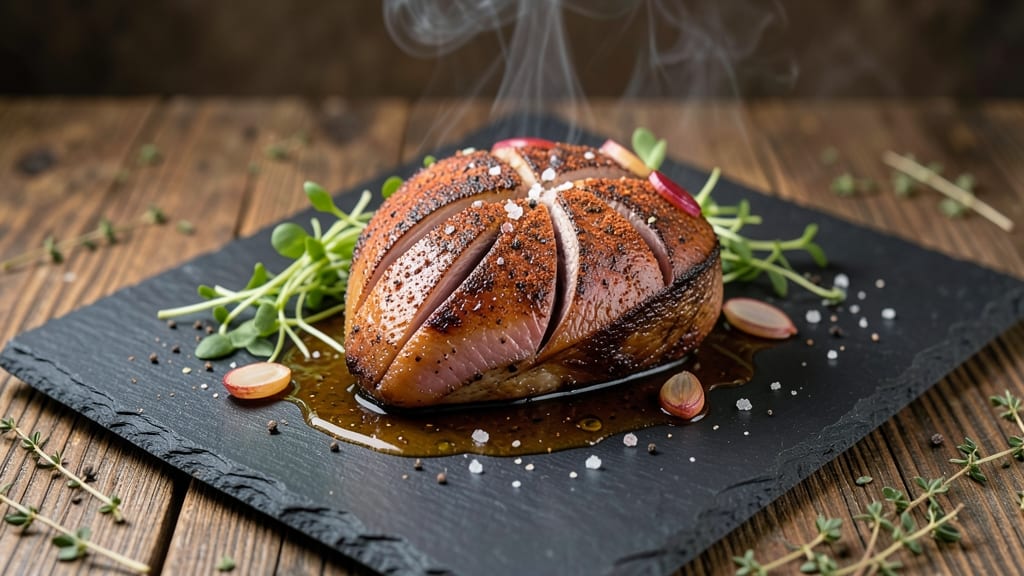
Transforming elk heart into a juicy, restaurant-worthy dish requires precision and respect for game meat traditions. This recipe delivers a smoky-spiced crust that encases tender, pink centers—perfect for hunters or adventurous cooks.
The key lies in proper preparation and slow cooking to preserve moisture while building deep flavor. I’ve refined this method after years of testing, ensuring every bite balances gamey richness with aromatic spices.
Game meat like elk heart demands careful handling—from trimming excess fat to marinating overnight in a blend of smoked paprika, garlic, and black pepper. The marinade not only tenderizes but also creates that signature crust when seared.
Unlike lean cuts, elk heart benefits from slow cooking to break down connective tissue without drying out, guaranteeing juicy results even in the center. This method respects tradition while adapting to modern kitchens.
What you’ll achieve is a dish that’s bold yet refined: a smoky-spiced crust that crackles with each bite, giving way to succulent pink meat inside. The aroma alone—wood-smoke and warm spices—transforms a simple meal into an experience.
Serve with roasted root vegetables or a sharp red wine reduction to complement the gamey depth. Safety is critical, so we’ll cover proper handling and cooking temperatures to ensure a perfect, safe result.
Whether you’re preparing for a hunting season feast or experimenting with game meat, this recipe delivers restaurant-quality elk heart without the guesswork. The techniques here work for other game meats too, making it a versatile addition to your culinary skills.
Let’s get started with the ingredients and step-by-step instructions to bring this dish to life.
Ingredients for elk heart
Precision-crafted ingredients transform elk heart into a restaurant-quality dish with smoky-spiced crust and juicy pink centers.
| Ingredient | Amount | Notes |
|---|---|---|
| Fresh Elk Heart 🦌 | 1 ½ lb | Trimmed of excess fat, cleaned thoroughly |
| Smoked Paprika 🌶️ | 2 tbsp | High-quality, vibrant color |
| Garlic Cloves 🧄 | 8 cloves | Freshly minced, aromatic |
| Ground Black Pepper 🌶️ | 1 ½ tbsp | Freshly cracked, coarse grind |
| Kosher Salt 🧂 | 1 ½ tbsp | Diamond Crystal preferred |
| Extra-Virgin Olive Oil 🫒 | ½ cup | High smoke point for searing |
| Brown Sugar 🍯 | 2 tbsp | Lightly packed, for caramelization |
| Ground Cumin 🌿 | 1 tbsp | Toasted for deeper aroma |
| Dried Thyme 🌿 | 1 tbsp | Fresh preferred, but dried works |
| Red Wine 🍷 | ½ cup | Bold Cabernet Sauvignon recommended |
| Beef Broth 💧 | 1 cup | Low-sodium, high-quality |
| Yellow Onion 🧅 | 1 whole | Medium size, finely diced |
| Fresh Rosemary 🌿 | 2 sprigs | For aromatic depth |
| Butter 🧈 | 2 tbsp | Unsalted, for basting |
The elk heart is the centerpiece—source it from a reputable game processor or butcher familiar with proper handling. Look for bright red, firm meat with minimal fat, as this ensures optimal tenderness. Costco or local game processors often carry elk products, but if unavailable, substitute with lean venison or beef heart. The marinade components—smoked paprika and toasted cumin—are critical for that signature crust, so prioritize high-quality, aromatic spices from Penzeys or local specialty stores. Fresh garlic and thyme elevate the flavor profile, but if using dried, reduce to half the quantity to avoid bitterness.
No smoked paprika? Substitute with a blend of regular paprika and a pinch of liquid smoke—just 1/4 teaspoon will suffice. Running low on red wine? Beef broth with a splash of balsamic vinegar works nearly as well, though the acidity will differ slightly. The brown sugar adds caramelization to the crust; if unavailable, maple syrup or honey can replace it at a 1:1 ratio. For the onions, yellow or red willow varieties add subtle sweetness, but any yellow onion works. Fresh rosemary is ideal, but dried at one-third the amount is acceptable in a pinch. Always use unsalted butter for basting to control seasoning precisely.
Elk heart marinades best overnight in the refrigerator, but never exceed 24 hours to prevent over-tenderizing. Store unused spices in airtight containers away from light for up to 6 months, while fresh herbs like rosemary and thyme should be wrapped in damp paper towels and refrigerated for 5-7 days. The finished dish reheats beautifully—opt for low heat to maintain moisture, and serve immediately for the best texture. Leftovers keep for 3-4 days refrigerated or 3 months frozen, though the texture may differ slightly after thawing.
Why You'll Love This Recipe
- Here’s what sold me: grill it for a summer BBQ, sear it in a pan for a weeknight dinner, or even toss it in a slow cooker for a hands-off meal. It’s the same simple prep, just different vibes depending on the day.
- I’ll be real: most leftover meat gets boring. Not this. Reheat slices in a skillet with a splash of broth, and it’s like eating it fresh again. Plus, it keeps well—no sad, dry scraps here.
Step-by-step instructions for smoky-spiced elk heart
Here's the method to achieve a perfectly seared exterior with tender pink centers every time.
Prepare the Elk Heart for Cooking
Begin by thoroughly cleaning the 1.5 lb fresh elk heart under cold running water, removing any remaining connective tissue or excess fat. Pat it completely dry with paper towels—this is critical for achieving a proper sear. Using a sharp chef's knife, make several shallow slits across the surface without cutting through completely. These slits allow the marinade to penetrate deeply and prevent curling during cooking.
In a small bowl, combine the 2 tbsp smoked paprika, 1.5 tbsp kosher salt, 1.5 tbsp ground black pepper, 1 tbsp ground cumin, and 1 tbsp dried thyme. Rub this mixture evenly over the entire surface of the elk heart, pressing it into the slits. Let it rest at room temperature for 30 minutes while you prepare the remaining components. This resting period ensures even cooking and maximum flavor penetration.
Sear the Elk Heart in Olive Oil
Heat 0.5 cup extra-virgin olive oil in a heavy-bottomed skillet over medium-high heat until it shimmers but doesn't smoke. Add the elk heart and sear for 4-5 minutes per side until it develops a deep, golden-brown crust. You'll notice the surface becoming firm to the touch while maintaining a slightly springy texture—this indicates proper doneness at this stage. Avoid pressing down on the meat, as this will squeeze out juices and prevent proper browning.
Remove the elk heart from the skillet and set it aside on a plate. Leave the rendered oil and browned bits in the pan—they're packed with flavor that will form the base of your sauce. Reduce the heat to medium and add the 1 whole yellow onion and 8 cloves garlic cloves that you've minced. Sauté for 3-4 minutes until the onions soften and become translucent, stirring occasionally to prevent burning.
Deglaze and Build the Sauce
Pour in the 0.5 cup red wine and scrape up all the browned bits from the bottom of the pan using a wooden spoon. This deglazing process captures all the caramelized flavors that would otherwise stick to the pan. Let the wine simmer for 2-3 minutes until it reduces by half, concentrating its flavor. Add the 1 cup beef broth, 2 tbsp brown sugar, and 2 sprigs fresh rosemary, then bring to a gentle simmer.
Return the elk heart to the skillet, spooning the sauce over the top to coat it evenly. Cover the pan and let it simmer gently for 15-20 minutes until the internal temperature reaches 145°F. The heart should be tender enough to pierce easily with a fork but still retain a slightly firm texture with juicy pink centers. If the sauce reduces too quickly, add 1-2 tablespoons of water to maintain the proper consistency.
Finish with Butter and Rest
Remove the elk heart from the skillet and transfer it to a warm serving platter. Increase the heat under the sauce to medium-high and add the 2 tbsp butter, stirring constantly until it melts completely and the sauce becomes glossy and slightly thickened. Taste and adjust the seasoning with additional salt or pepper if needed.
Let the elk heart rest for 5 minutes before slicing against the grain into ¼-inch thick slices. The resting period allows the juices to redistribute, ensuring each bite remains moist and flavorful. Serve immediately with the smoky-spiced sauce spooned generously over the top, accompanied by crusty bread or roasted vegetables to soak up the rich flavors. The exterior should be beautifully caramelized with a crisp texture, while the interior remains tender and pink—proof of a perfectly cooked elk heart.
Pro Tips For Making Elk Heart
- Dry the Heart First: Elk heart is slicker than a greased pig—skip the pat dry step, and your smoked paprika won’t stick. Use paper towels to wipe it down thoroughly, then let it sit uncovered for 10 minutes. This isn’t just about seasoning; it’s about getting that crust to form evenly. (Yes, even if you’re impatient like me.)
- Sear in Batches: A crowded pan steams instead of sears, and you’ll end up with a sad, gray elk heart. Work in single layers—two hearts max—over medium-high heat until deep brown, about 3 minutes per side. If your pan gets crowded, just wait. The extra 30 seconds now saves you from a bland, undercooked mess later.
- Salt the Garlic: Whole garlic cloves? Toss them in a pinch of kosher salt before mincing. Why? It prevents them from turning bitter when cooked, and the salt draws out moisture so they caramelize faster. (I learned this the hard way after burning three batches of garlic that tasted like soap.)
- Finish with a Splash: Right before serving, add a tablespoon of water or broth to the pan and let it bubble for 30 seconds. The steam carries the garlic and paprika flavors into the meat, giving it that restaurant-quality depth. Sounds weird, but it works—your future self will thank you.
Dietary considerations for elk heart
Game Meat Safety
Elk heart is a lean, gamey protein that requires careful handling to ensure food safety. Always source your elk heart from a reputable game processor or butcher who follows proper USDA guidelines for game meats.
Freeze the heart immediately upon receiving it and thaw it in the refrigerator for 24-48 hours before cooking—never thaw at room temperature. Cook elk heart to an internal temperature of 145°F, verified with a meat thermometer, to kill any potential bacteria. 🌡️
Fat Content Considerations
Unlike fatty cuts of beef, elk heart is naturally lean, which means it benefits from moisture-rich cooking methods like braising or slow searing. The marinade in this recipe includes olive oil and butter to compensate for the lack of natural fat, ensuring a juicy result.
Avoid overcooking—elk heart should remain tender with pink centers (145°F internal temp) rather than fully cooked through like beef. This lean profile also makes it a great option for those monitoring saturated fat intake.
Allergen-Friendly Profile
This elk heart recipe is naturally free from common allergens like gluten, dairy (if served without butter), and nuts. The only potential allergen is red wine, which can be substituted with beef broth and balsamic vinegar for a completely wine-free version.
For those avoiding spices, omit the smoked paprika and cumin or replace them with garlic powder and onion powder—though the smoky flavor will be less pronounced. Always check your spice blends for cross-contamination if allergies are a concern. 🌿
Protein Powerhouse
Elk heart is an excellent source of high-quality protein, providing about 30 grams per 4-ounce serving—comparable to beef but with less saturated fat. It’s also rich in iron, zinc, and B vitamins, making it a nutrient-dense choice for those seeking lean protein sources.
The slow-cooking method in this recipe helps break down connective tissue, making the protein more bioavailable and easier to digest. Pair it with iron-rich sides like spinach or roasted potatoes to maximize nutrient absorption.
Dietary Adaptations
For a lower-carb version, skip the brown sugar in the sauce and use a sugar-free substitute like erythritol. If you’re following a paleo diet, ensure all spices are certified paleo-friendly (some blends contain anti-caking agents).
For a vegetarian alternative, this method won’t work—but you could adapt it for portobello mushrooms using the same marinade and cooking technique. The key is maintaining moisture, whether you’re working with game meat or its plant-based substitutes. 🌱
Storage and Leftovers
Store cooked elk heart in an airtight container in the refrigerator for up to 4 days or freeze for 3 months to maintain quality. Reheat gently on the stovetop with a splash of beef broth to prevent drying out.
Leftovers make great sandwiches or tacos the next day—just slice thinly and warm through. For meal prep, portion the sauce separately and reheat it with the meat to preserve its rich, smoky flavor. Always reheat to 165°F to ensure safety. ❄️
Nutrition facts
Frequently asked questions
How do I properly prepare elk heart before cooking?
Start by thoroughly cleaning the heart under cold water to remove any connective tissue or excess fat. Pat it completely dry with paper towels—this is essential for achieving a good sear. Make shallow slits across the surface without cutting through to help the marinade penetrate deeply and prevent curling during cooking.
Can I substitute elk heart with another type of meat?
For similar texture and flavor, use venison heart or lean beef heart. Avoid fatty cuts like pork or lamb, as they won’t yield the same tender, juicy result. If substituting, reduce cooking time slightly since game meats often cook faster due to their lean nature.
Why does the recipe call for pink centers instead of fully cooked meat?
Elk heart is a lean, gamey protein that benefits from medium-rare cooking (145°F internal temp). Overcooking turns it tough and dry, while pink centers ensure maximum tenderness and moisture. This method aligns with traditional game meat preparation, where a slightly pink interior is standard for optimal texture.
What’s the best way to store leftover elk heart?
Store cooked elk heart in an airtight container in the fridge for up to 4 days or freeze for 3 months. Reheat gently on the stovetop with a splash of beef broth to prevent drying. For meal prep, portion the sauce separately and reheat it with the meat to preserve flavor. Always reheat to 165°F for safety.
How do I ensure the smoky-spiced crust stays crispy?
Sear the elk heart in hot olive oil (medium-high heat) until deeply golden-brown—this creates the crust. Avoid pressing down on the meat during cooking, as this squeezes out juices. Finish with butter just before serving to add richness and shine without making the crust soggy.