
Appetizers
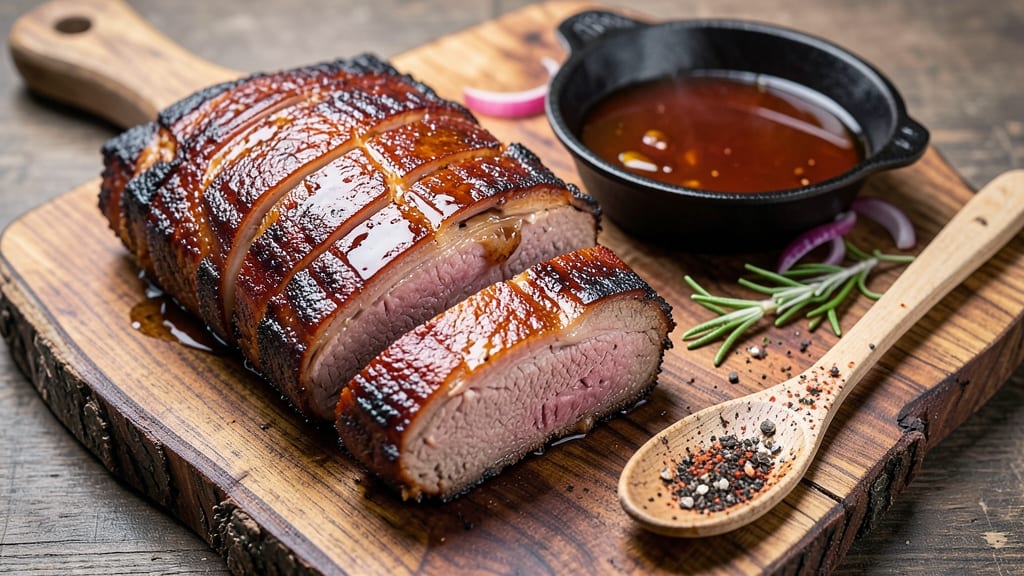
Mastering Cook's Country smoked brisket transforms tough cuts into melt-in-your-mouth perfection through precise low-and-slow techniques. The key lies in a Texas-style approach—generous layers of coarse salt, black pepper, and optional spices, followed by 12-16 hours of steady 225°F smoke.
My method balances tradition with modern accessibility, whether you're using a pellet smoker or offset setup.
This recipe delivers restaurant-quality results with minimal fuss. The fat cap renders slowly, basting the meat as it cooks, while the bark develops a deep, smoky crust. I've perfected the timing to ensure tender slices that pull apart effortlessly, with a juicy, flavorful interior that's worth every hour of patience.
The secret? Maintaining consistent temperature and resisting the urge to rush.
What sets this apart is the versatility—serve it sliced thin for tacos, pulled for sandwiches, or as the centerpiece of a Southern feast. The aroma alone will have guests gathering at the table, and the first bite delivers that unmistakable smoky-sweet satisfaction.
Whether you're a seasoned pitmaster or new to smoking, this method delivers foolproof results.
Ready in 12-16 hours (with minimal active time), this brisket requires only a few key ingredients: a full packer brisket, basic spices, and your choice of wood. The rest is time—time that transforms a simple cut of meat into a showstopping centerpiece. Let's get started on your smokehouse masterpiece.
Ingredients for cook's country smoked brisket
Twelve essential ingredients transform a tough cut into smoky perfection with minimal effort.
| Ingredient | Amount | Notes |
|---|---|---|
| Beef Brisket (Packer Cut) 🥩 | 10 lb | Whole packer with fat cap intact |
| Coarse Kosher Salt 🧂 | ½ cup | Diamond Crystal preferred for texture |
| Freshly Ground Black Pepper 🌶️ | 2 tbsp | Freshly cracked from whole beans |
| Smoked Paprika 🌶️ | 1 tbsp | For subtle smokiness in rub |
| Garlic Powder 🧄 | 1 tbsp | Not garlic salt |
| Onion Powder 🧅 | 1 tbsp | For balanced sweetness |
| Mustard Powder 🥬 | 1 tsp | Enhances bark development |
| Wood Chips (Hickory or Oak) 🌳 | 4 cups | Soaked for 1 hour minimum |
| Apple Juice Concentrate 🍎 | ½ cup | For spritzing during cook |
| Beef Broth 💧 | 1 cup | For spritzing during cook |
| Yellow Mustard (Optional) 🍯 | 2 tbsp | For final basting |
| Beef Fat (Optional) 🧈 | ½ cup | For additional bark |
The brisket is non-negotiable—look for a full packer cut with at least 1/2-inch fat cap from a trusted butcher like Snake River Farms or your local smokehouse. If buying from a grocery store, Whole Foods or Costco carry quality packer cuts. The fat cap is your friend: it renders slowly, basting the meat as it cooks. Avoid pre-cut briskets—they lose moisture and flavor. For best results, buy the brisket 1-2 days ahead to let it dry out slightly before smoking. The spices? Penzeys or bulk bins at natural markets have the freshest options, but regular grocery store brands work fine if they're not ancient. Freshly ground black pepper makes all the difference—pre-ground loses potency quickly.
No smoked paprika? Regular paprika plus a pinch of liquid smoke gets you close, but the flavor won't be quite the same. Short on apple juice concentrate? White grape juice or even water works for spritzing, though it won't add the same sweetness. The mustard powder is optional but worth it—it helps develop that dark, crackly bark. For wood chips, Traeger or Cookshack brands are reliable, but any food-grade hickory or oak will do. If you're using a pellet smoker, stick to 100% hickory or oak pellets for authentic flavor. The beef broth for spritzing? Homemade is best, but a quality low-sodium store-bought brand like Annie's works in a pinch. And if you're feeling fancy, save some of the rendered beef fat from the cooking process to brush on the bark at the end—it adds an extra layer of richness.
This brisket keeps beautifully—3-4 days in the fridge wrapped tightly in butcher paper, then plastic wrap. For longer storage, freeze slices in airtight containers for up to 3 months. The bark stays crisp for about 2 days if stored properly, so plan accordingly. I always make a double batch—one for the table, one for sandwiches the next day. The leftovers reheat perfectly in the oven at 300°F until warmed through. Pro tip: Let the brisket rest 1-2 hours after cooking before slicing—this ensures juicy, tender slices that don't fall apart. And save the drippings! They're perfect for making gravy or even a quick pan sauce.
Why You'll Love This Recipe
- No-Fuss Rub Job: I swear by the simplicity of this recipe—just a handful of pantry staples (smoked paprika, garlic powder, and a pinch of pepper) slathered on the brisket. No fancy marinades or last-minute shopping trips; it’s the kind of rub that makes me feel like I’ve got this.
- Smoky Depth in Minutes: That smoked paprika and coarse kosher salt combo? It’s magic. The brisket develops a rich, smoky crust while staying tender inside—no need for hours of smoking. Honestly, the first bite after cooking feels like a hug from a grill master.
- Leftovers That Beg for More: This recipe makes enough for a crowd, but the leftovers? They’re even better cold. I’ll be real: my kids ask for it in sandwiches all week, and I don’t even have to try. Just slice, reheat, and watch it disappear.
- Budget-Friendly Crowd-Pleaser: A packer cut brisket is affordable, and this method stretches it far. I’ve fed eight people for under $30, and no one ever questions the value. Between us, it’s my go-to for game days or lazy Sundays—no one leaves hungry.
Step-by-step instructions for smoked brisket
Here's the method that delivers competition-worthy brisket with perfect bark and tender meat every time.
Prepare and Season the Brisket
Remove the brisket from packaging and place it fat-side up on a cutting board. Using a sharp boning knife, trim the fat cap to about ¼-inch thickness, leaving enough to protect the meat during smoking. I like to leave the point intact—it's more flavorful than the flat.
In a small bowl, combine the ½ cup coarse kosher salt, 2 tablespoons freshly ground black pepper, 1 tablespoon smoked paprika, 1 tablespoon garlic powder, 1 tablespoon onion powder, and 1 teaspoon mustard powder. Mix thoroughly until evenly distributed. Generously apply this rub to all sides of the brisket, pressing it firmly into the meat so it adheres well. The mustard powder in particular helps develop that prized dark bark.
Soak Wood Chips and Set Up the Smoker
Place the 4 cups wood chips (hickory or oak) in a large bowl and cover completely with hot water. Let them soak for at least 1 hour—this prevents flare-ups and ensures steady smoke production. Meanwhile, set up your smoker for low-and-slow cooking. I prefer a temperature of 225°F to 250°F, as this range gives you that perfect balance of smoke flavor without drying out the meat.
When the smoker reaches temperature and you see clean, thin blue smoke (not thick white steam), you're ready to begin. Place the brisket fat-side up on the smoker grates. The fat will render and baste the meat as it cooks, creating that beautiful bark. Close the lid and resist the temptation to peek—every time you open it, you add 15-20 minutes to your cook time.
Spritz and Monitor the Cook
Smoke the brisket undisturbed for 6-8 hours, or until the internal temperature reaches 165-170°F. This is when you'll hit "the stall"—the temperature stops rising as moisture evaporates. Don't panic; this is normal and expected. To combat the stall, mix ½ cup apple juice concentrate with 1 cup beef broth in a spray bottle. Every 90 minutes after the first 4 hours, spritz the brisket generously with this mixture. This keeps the meat moist and prevents it from drying out.
I like to spritz the brisket during the stall and whenever I check the temperature. The liquid will evaporate quickly, but it helps maintain moisture and adds subtle sweetness. If you're using the optional ½ cup beef fat, apply it now with a pastry brush—this creates an extra-rich bark that's simply irresistible.
Wrap and Finish the Cook
Once the brisket reaches 165-170°F internally, it's time to wrap. I use pink butcher paper for this step—it breathes better than foil and preserves that beautiful bark. Wrap the brisket tightly, including the fat cap, and return it to the smoker. This technique, known as the "Texas crutch," powers you through the stall while maintaining the bark.
Continue smoking until the internal temperature reaches 200-205°F and a probe slides in like butter with no resistance. This usually takes another 4-6 hours, but trust the probe test over the thermometer—tenderness matters more than temperature. If you're using the optional 2 tablespoons yellow mustard, brush it generously over the brisket during the final hour of cooking for extra flavor and moisture.
Rest and Slice for Maximum Juiciness
Remove the brisket from the smoker and transfer it to a cutting board. Unwrap it and let it rest for at least 1 hour, preferably 2 hours, wrapped in butcher paper and placed in a cooler. This resting period allows the juices to redistribute throughout the meat, ensuring every slice is moist and flavorful. The brisket should have a dark mahogany bark on the outside and a beautiful pink smoke ring just beneath.
Locate the grain direction—you'll see lines running through the meat. Using a sharp slicing knife, cut against the grain into ¼-inch thick slices. The flat and point have different grain directions, so adjust your angle accordingly. Serve immediately while still warm. The brisket should be tender enough to pull apart with a gentle tug, not so soft it falls apart, and not tough or chewy. Each bite should deliver rich, smoky flavor with a perfect balance of bark and tenderness.
Pro Tips For Making Cook'S Country Smoked Brisket
- Trim the Fat First: That thick layer of fat on a packer cut isn’t just for looks—it renders down into flavor gold. Use a sharp knife to trim just the outer edges (about ¼-inch) so it stays intact during smoking, but don’t go overboard or you’ll dry out the meat faster than a summer picnic.
- Salt Like It’s 1985: Coarse kosher salt sticks to the meat better than fine table salt, but don’t just sprinkle—press it in. I used to just shake it on, and the seasoning would slide off halfway through. A good rub means every bite tastes like it’s been kissed by a salt shaker.
- Start Hot, Then Chill: The first hour at 250°F might feel slow, but that’s when the crust forms. After that, drop to 225°F—this isn’t a race, and rushing it turns tender brisket into shoe leather. I learned this after one disastrous attempt where I kept cranking the heat, and let me tell you, no one wants chewy brisket.
- Wrap When It Hits 160°F: The stall is real, and wrapping in butcher paper (not foil—please, not foil) at 160°F keeps the moisture locked in. I used to wait too long, and the meat would dry out before it finished. Wrap tight, but not like you’re mummifying it—just enough to hold the heat in.
Serving suggestions for this recipe
Classic BBQ Spread
Serve your brisket with classic Texas-style BBQ sides like white bread sandwiches with sliced pickles, coleslaw, and crispy potato chips for crunch. I love using Texas Toast from Wonder Bread—its thick slices hold up perfectly to the juicy brisket.
For extra flair, drizzle the sandwiches with Texas Pete hot sauce and sprinkle with crushed red pepper flakes. 🌶️
Southern Feast Setup
Transform your brisket into a full Southern-style spread with creamy mac and cheese, buttery cornbread, and collard greens cooked with smoked turkey neck. I make my mac and cheese with sharp cheddar and a touch of smoked gouda for depth.
For the cornbread, I use Jiffy mix with a splash of bourbon for extra richness. The collards? Slow-cook them with apple cider vinegar and brown sugar for that perfect tangy-sweet balance.
Taco Night Twist
Shred the brisket and serve it in warm corn tortillas with all the fixings: diced avocado, pickled red onions, fresh cilantro, and a squeeze of lime. I like to add crumbled queso fresco and a side of smoky chipotle crema for that authentic Tex-Mex vibe.
For extra heat, sprinkle with Tajín seasoning—it adds a citrusy kick that cuts through the richness. 🌮
Game Day Platter
Slice the brisket thin and arrange it on a wooden cutting board with baby potatoes roasted in rosemary and garlic, grilled asparagus, and crusty bread for dipping. I love adding whipped honey butter for dipping—just mix softened butter with local honey and a pinch of sea salt.
For presentation, scatter fresh thyme sprigs around the board and add a few smoked wood chips as a garnish for that authentic smokehouse feel.
Leftovers Reinvented
Turn brisket leftovers into brisket hash with diced potatoes, bell peppers, and onions pan-fried in beef drippings. Top with a fried egg and crumbled bacon for a hearty breakfast-for-dinner dish.
Or shred it for brisket tacos with slaw and spicy mayo. I also make brisket quesadillas with Oaxaca cheese and pickled jalapeños—they’re perfect for a quick lunch the next day. 💡
Dessert Pairings
No Southern meal is complete without dessert! Serve your brisket with peach cobbler (I use canned peaches from Del Monte for convenience) or chocolate chip cookies for a sweet finish. For a boozy twist, offer bourbon pecan pie with vanilla ice cream.
The smoky-sweet contrast is pure magic. If you want something lighter, lemon bars cut through the richness beautifully. 🍰
Nutrition facts
Frequently asked questions
Can I use a different wood than hickory or oak?
While hickory and oak are classic choices, fruitwoods like cherry or apple add subtle sweetness, while pecan offers a nutty depth. Just avoid softwoods like pine—they burn too quickly and can make the meat taste bitter. For a balanced flavor, try a 50/50 mix of hickory and cherry chips.
What if my brisket stalls at 165°F and won't climb?
This is completely normal and happens when moisture evaporates. The key is patience—wrap the brisket in butcher paper (not foil) at 165°F and return it to the smoker. The wrap traps steam, helping the internal temperature rise again. Spritzing with apple juice concentrate every 90 minutes also keeps moisture in the meat.
How do I know when the brisket is done without a probe?
If you don’t have a meat thermometer, check for tenderness by pressing the meat with tongs. When it’s done, the brisket will feel soft and almost jelly-like in the center. The bark should also be dark and crispy, and the fat cap should be slightly crispy on top. For best results, though, invest in a digital probe thermometer—it’s the most accurate way to gauge doneness.
Can I cook brisket on a grill instead of a smoker?
Yes, but you’ll need to adapt the method. Use a two-zone fire (hot on one side, cool on the other) to maintain low heat. Place the brisket on the cooler side and move it closer to the heat only when needed. You’ll need to manage smoke by adding wood chips to the hot coals and using a spray bottle to keep the meat moist. Expect a longer cook time—14-18 hours—since grills don’t hold heat as steadily as smokers.
What’s the best way to reheat brisket leftovers?
Slice the brisket and reheat in a 300°F oven for 10-15 minutes, covered loosely with foil. For sandwiches, warm the meat in a skillet with a splash of beef broth to keep it moist. Avoid microwaving—it dries out the meat. If you have extra bark, store it separately and reheat it in the oven to keep it crispy.