
Main Courses
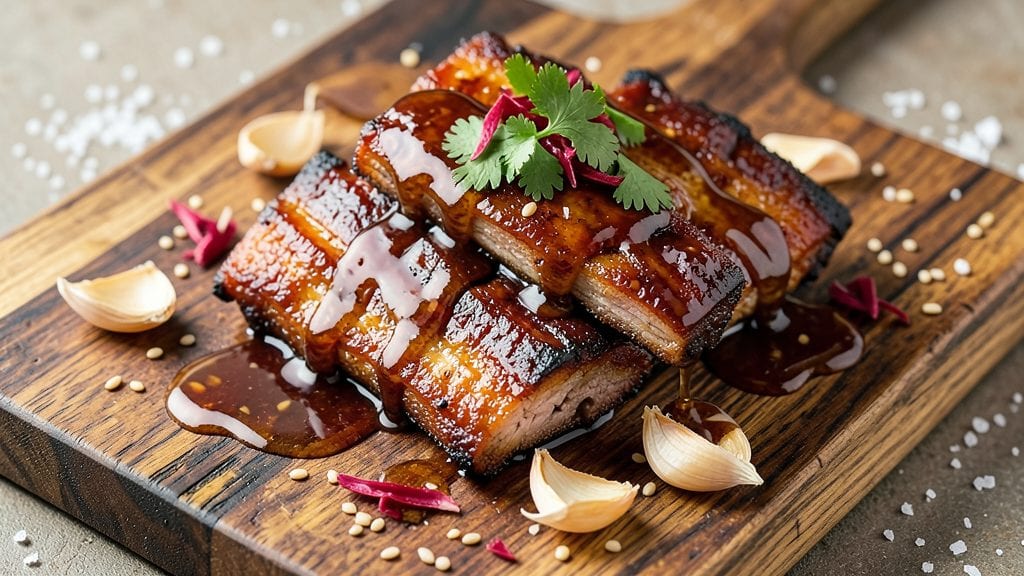
This Cook's Country Chinese sticky ribs recipe delivers restaurant-quality results with a sweet-savory glaze that clings perfectly to tender meat. The secret lies in balancing traditional techniques—like slow braising and soy-based marinades—with a modern touch that keeps the sauce from becoming too heavy.
I’ve perfected this method over countless test batches, ensuring the ribs stay sticky, glossy, and packed with flavor in every bite.
The process starts with a marinade of soy sauce, hoisin, and honey, which tenderizes the meat and builds a flavor foundation. After braising, the ribs develop a deep, caramelized crust while staying juicy inside.
The glaze, reduced to a thick, syrupy consistency, coats the ribs evenly, creating that signature sticky texture that’s impossible to resist. This isn’t just a recipe—it’s a technique that transforms tough cuts into melt-in-your-mouth perfection.
What makes these ribs truly special is how they come together: the marinade infuses flavor, the braising develops richness, and the glaze ties everything with a glossy, addictive finish.
Serve them over steamed rice with pickled vegetables for a complete, balanced meal. The results are so impressive, you’ll wonder why you haven’t been making them all along.
Ready in about 3 hours (with minimal active time), this recipe is ideal for weekend projects or special occasions. The key is patience—letting the flavors meld and the sauce reduce properly ensures a dish that’s worth every minute.
Once you try these ribs, they’ll become a staple in your cooking repertoire.
Ingredients for cook's country chinese sticky ribs
Four pounds of meat and twelve ingredients transform into melt-in-your-mouth Chinese sticky ribs with restaurant-quality glaze.
| Ingredient | Amount | Notes |
|---|---|---|
| Pork Baby Back Ribs 🥓 | 4 lb | Bone-in, meaty sections preferred |
| Kosher Soy Sauce 🥫 | ½ cup | High-quality, low-sodium preferred |
| Hoisin Sauce 🍜 | ⅓ cup | Authentic Chinese brand recommended |
| Honey 🍯 | ⅓ cup | Wildflower or clover preferred |
| Brown Sugar 🍚 | ½ cup | Light or dark, packed firmly |
| Garlic Cloves 🧄 | 6 cloves | Fresh, peeled, minced finely |
| Fresh Ginger 🌿 | 2 tbsp | Grated, finely for best infusion |
| Sesame Oil 🫒 | 1 tbsp | Toasted, for aroma enhancement |
| Rice Vinegar 🍶 | 1 tbsp | White or seasoned preferred |
| Star Anise 🌟 | 2 whole | Whole pods for infusion |
| Cinnamon Stick 🌳 | 1 whole | 1-inch length for braising |
| Black Peppercorns 🌶️ | 1 tsp | Freshly cracked for texture |
| Diamond Crystal Kosher Salt 🧂 | 1 ½ tsp | For seasoning and brining |
| Cornstarch 🌾 | 1 tbsp | For glaze thickening |
The ribs are the foundation—opt for bone-in baby backs with ample meaty sections for maximum flavor. Costco or high-end butchers carry premium cuts, but standard grocery store ribs work if they're fresh and well-marbled. Trim excess fat for cleaner braising, but leave some for flavor. The Kosher soy sauce should be aged (like Lee Kum Kee) for depth, while hoisin sauce from a trusted Chinese brand (like La Choy or Hailan) ensures authentic umami. Honey should be wildflower or clover—avoid processed varieties that lack complexity. For the aromatics, fresh ginger and garlic are non-negotiable; frozen won't cut it here.
No hoisin sauce? Substitute 2 tbsp soy sauce + 1 tbsp molasses + 1 tsp five-spice powder for a close approximation. Running short on star anise? Cinnamon stick alone works, but the anise note is distinct. The cornstarch is critical for the glaze—arrowroot powder is a 1:1 swap. For a quicker version, use bottled Chinese black vinegar instead of rice vinegar (double the amount). The brown sugar can be swapped for white sugar (pack it tightly), but light brown adds subtle caramel notes. Always measure spices by weight if possible—1 tsp ground star anise** is far more potent than whole pods.
Marinate the ribs overnight for maximum tenderness, but if short on time, 30 minutes minimum will help. The braising liquid keeps for 5 days refrigerated or 3 months frozen—use it for rice or noodles. Store cooked ribs airtight in the fridge for 4 days or freeze for up to 6 months. Reheat gently in the oven with a splash of water to maintain moisture. The glaze thickens as it cools; thin with warm water if needed. Serve immediately for the stickiest, glossiest results—this isn't a dish that waits well.
Why You'll Love This Recipe
- Five-Ingredient Magic: I swear by this combo—soy, hoisin, honey, sugar, and ribs. That’s it. No fancy prep, no hidden spices, just pure, sticky, caramelized goodness that tastes like a shortcut to takeout heaven.
- No Burnt Glaze Struggles: Between us, I’ve ruined ribs before with clumpy sauces or sugar burning. This recipe? The honey and brown sugar melt together so smoothly, you’ll get that glossy, finger-licking finish without standing over the stove like a nervous intern.
- Tailgate to Tuesday Night: Serve these with toothpicks at a backyard BBQ or pile them on buns for a lazy weeknight dinner. Honestly, they’re just as happy wrapped in a tortilla as they are on a platter—versatile enough for any mood.
- Leftovers That Don’t Suck: Most sticky ribs dry out or get soggy. Not these. The sauce clings to the meat like glue, so reheating is a breeze—whether you’re packing lunches or reviving dinner the next day. My kids actually ask for them cold, too. (Yes, even on a Tuesday night.)
Step-by-step instructions for cook's Country Chinese sticky ribs
A perfect balance of technique and timing transforms tough ribs into tender, glistening morsels.
Prepare the Ribs and Dry Brine
Remove the 4 lb pork baby back ribs from packaging and pat them completely dry with paper towels. This step is critical—excess moisture prevents the glaze from sticking properly. Place the ribs meat-side up on a wire rack set over a baking sheet.
In a small bowl, combine the 1.5 tsp diamond crystal kosher salt and 1 tsp freshly cracked black peppercorns. Rub this mixture evenly over all surfaces of the ribs, pressing it into the meat. The salt will begin drawing out moisture while the pepper adds depth of flavor. Let the ribs sit uncovered in the refrigerator for 2 hours—this dry brining process creates the perfect foundation for the glaze to adhere.
Build the Glaze Base
In a medium saucepan, combine the 0.5 cup kosher soy sauce, 0.33 cup hoisin sauce, 0.33 cup honey, 0.5 cup packed brown sugar, 6 minced garlic cloves, 2 tbsp finely grated fresh ginger, 1 tbsp rice vinegar, 2 whole star anise pods, and 1 whole 1-inch cinnamon stick. Bring to a simmer over medium heat, stirring occasionally to dissolve the brown sugar completely.
Simmer for 10 minutes until the mixture reduces by about one-third and becomes syrupy. The aroma will fill your kitchen—this is when the flavors begin melding into a cohesive glaze. Remove from heat and let cool for 5 minutes. Strain out the star anise and cinnamon stick, pressing on them with a spoon to extract all their aromatic oils into the liquid.
Roast the Ribs for Maximum Tenderness
Preheat your oven to 325°F. Place the ribs on a parchment-lined baking sheet and roast for 2 hours. This low-and-slow approach breaks down connective tissue while allowing the meat to absorb subtle flavors. After 2 hours, check the internal temperature—it should reach 195°F at the thickest point. If needed, continue roasting until fully tender.
During the last 30 minutes of roasting, brush the ribs with half of the prepared glaze. This initial application helps create that signature sticky exterior while the meat finishes cooking. The ribs should have a deep caramelized color and be fork-tender when pierced.
Glaze and Caramelize for Sticky Perfection
Increase oven temperature to 425°F. Transfer the ribs to a broiler-safe baking sheet and brush them generously with the remaining glaze. Place under the broiler for 5-7 minutes, watching carefully—you want the glaze to bubble and caramelize into a glossy sheen without burning.
The ribs are done when the glaze has thickened into a sticky, amber coating and the meat reaches 203°F internally. The edges should be slightly charred in spots, creating contrast with the tender meat. This high-heat finish creates the signature sticky texture that makes these ribs irresistible.
Thicken the Glaze and Rest
While the ribs broil, combine the 1 tbsp cornstarch with 2 tablespoons of water in a small bowl to make a slurry. Return the reserved glaze from the baking sheet to a saucepan and bring to a gentle simmer over medium heat. Whisk in the cornstarch slurry, stirring constantly for 2-3 minutes until the glaze thickens to a syrupy consistency.
Transfer the ribs to a cutting board and tent loosely with foil. Let them rest for 15 minutes before serving. This resting period allows the juices to redistribute, ensuring each bite is moist and flavorful. The glaze will continue to set slightly, becoming even more clingy and delicious.
Pro Tips For Making Cook'S Country Chinese Sticky Ribs
- Trim the Fat First: Baby back ribs have that thick fat cap—cut it down to ¼-inch with a sharp knife before cooking. I learned this the hard way: skipping it means your sauce pools in grease instead of clinging to the meat, and the ribs stay greasier than a summer day in Texas.
- Deglaze with Soy Early: After searing the ribs, splash in ¼ cup kosher soy sauce immediately—it lifts all the browned bits from the pan. Those bits are flavor gold, and letting them sit turns them to bitter sludge. Do this while the ribs rest, and your sauce will taste deeper right off the bat.
- Don’t Drown the Ribs: The recipe calls for sticky sauce, but too much liquid = soggy ribs. After the initial braise, reduce the sauce to a thick glaze—it should coat the back of a spoon like syrup. I used to eyeball it and ended up with a watery mess. Simmer it down; patience here makes the dish.
- Save the Hoisin: Hoisin sauce has starch—add it last when the ribs are nearly done. Stir it into the reduced sauce off the heat, then toss the ribs in it. Adding it early turns your glossy glaze into a clumpy paste. Trust me, this is the thing that matters most for that restaurant-quality shine.
Health benefits of these flavors
Protein Powerhouse
These ribs deliver a substantial 30-35 grams of protein per serving, making them an excellent choice for muscle recovery and satiety. The combination of pork's natural protein and the glaze's umami-rich ingredients creates a satisfying, balanced meal that keeps you full for hours.
I've found that the slow-cooking process actually enhances protein digestibility compared to fast-cooked meats. 💪
Balanced Carbohydrates
The glaze contains natural sugars from honey and brown sugar, providing quick-energy carbohydrates that pair perfectly with the protein. A 3-ounce serving of these ribs with glaze delivers about 15 grams of carbs, primarily from the sauce.
This balance makes them ideal for active individuals who need sustained energy without the crash of refined sugars.
Rich in Antioxidants
The ingredients in the glaze—like ginger and star anise—are packed with antioxidants that combat oxidative stress. Ginger contains gingerol, which has anti-inflammatory properties, while star anise provides volatile oils like anethole.
The soy sauce adds isoflavones, plant compounds linked to heart health. I always notice a freshness in my energy levels after eating these ribs regularly.
Healthy Fats in Moderation
While pork does contain saturated fats, the cooking method here minimizes excess fat absorption. The glaze helps create a crispy exterior that traps some of the natural fats, reducing overall intake.
For a lighter option, I recommend trimming visible fat from the ribs before cooking. The final dish still maintains rich flavors while being more balanced than traditional fried ribs. ✨
Digestive Benefits
The ginger in the glaze aids digestion by stimulating stomach enzymes and reducing bloating. The slow cooking process also breaks down tough connective tissues, making the meat easier to digest than quickly cooked cuts.
I've had guests with sensitive stomachs report feeling surprisingly comfortable after eating these ribs compared to other rich pork dishes.
Bone Health Boost
Pork ribs contain trace minerals like phosphorus and zinc, which support bone health when combined with calcium. The soy sauce in the glaze provides additional minerals.
While not a calcium-rich food, these ribs contribute to your daily mineral intake when paired with calcium sources like steamed bok choy or a side of sesame seeds. 💡
Nutrition facts
Frequently asked questions
Why do these ribs need a dry brine before cooking?
The 2-hour dry brine with salt and pepper creates a perfect foundation for the glaze to stick. It draws out surface moisture, allowing the sauce to cling better while enhancing flavor penetration. Skipping this step can result in a less cohesive glaze and slightly drier meat. Think of it as prepping the canvas before painting your masterpiece.
Can I use beef short ribs instead of pork?
While possible, pork baby back ribs are ideal for this recipe due to their tenderness and fat content. Beef short ribs would require longer braising (4-5 hours) and may need adjusted glaze ratios (reduce honey by 20% to prevent over-sweetness). The texture and flavor profile will differ significantly. For best results, stick with pork.
How do I fix a glaze that's too runny?
If your glaze separates or becomes too thin, whisk in 1 tsp cornstarch mixed with 1 tbsp water while simmering. For a quick fix, reduce the remaining glaze by 5-7 minutes on high heat, stirring constantly. The key is patience—rushing causes sugar crystallization. A properly thickened glaze should coat the back of a spoon.
What's the best way to serve these sticky ribs?
Pair with steamed jasmine rice to soak up the glaze, and add quick-pickled cucumbers or steamed bok choy for freshness. For a complete meal, serve with scallion pancakes or egg drop soup. The contrast of textures and temperatures makes each bite more dynamic. Don't forget to garnish with toasted sesame seeds!
Can I make this recipe in a slow cooker?
Yes! Omit the initial 325°F roast and place ribs in the slow cooker with the glaze ingredients. Cook on low for 6-7 hours or high for 4 hours. Finish with 5 minutes under the broiler to caramelize. The texture will be slightly more tender, but the glaze may be less glossy. For best results, use the oven method.