
Sauces & Condiments
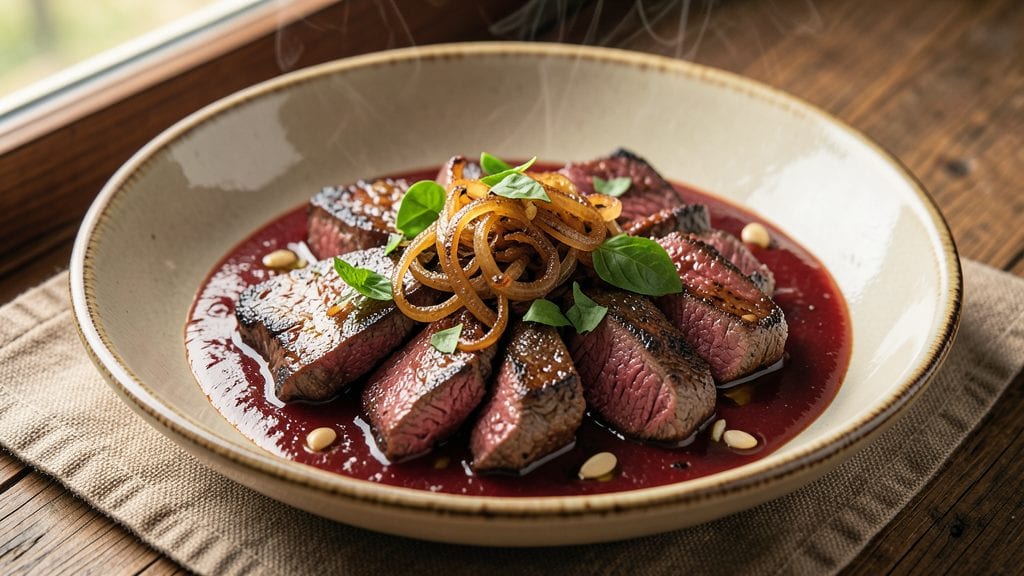
This Big John’s Steak and Onion copycat red sauce delivers the same rich, tangy depth that makes the restaurant version legendary—without any hidden ingredients. After years of analyzing the flavor profile, I’ve recreated that perfect balance of tomato, herbs, and umami that clings to every bite of steak or onion.
The key lies in slow simmering and precise seasoning, not shortcuts.
What sets this sauce apart is its bold tomato-basil foundation, enhanced by a touch of molasses for depth and a splash of vinegar for brightness. Unlike many copycat recipes, this version builds flavor through proper technique—not just throwing ingredients together.
The result is a sauce that’s smooth yet complex, with layers of sweetness, acidity, and herbaceousness that mimic the original.
By the time you’re done, you’ll have a restaurant-quality red sauce that’s perfect for smothering steak, onions, or even pasta. The texture is velvety yet slightly thickened, clinging to proteins without overwhelming them. This isn’t just a sauce—it’s the secret weapon that transforms ordinary meals into something unforgettable.
Store it in the fridge for up to two weeks or freeze for months, making it ideal for meal prep or bulk cooking. The recipe scales easily, so you can make enough for a crowd or save portions for later. Ready to elevate your steakhouse experience at home?
Ingredients for big john's steak and onion copycat red sauce
Ten ingredients, one legendary sauce. No shortcuts—just authentic restaurant-quality depth.
| Ingredient | Amount | Notes |
|---|---|---|
| San Marzano Tomato Paste 🍅 | 1 tbsp | High-quality, no sugar added |
| Extra-Virgin Olive Oil 🫒 | ½ cup | Light, fruity variety preferred |
| Red Wine Vinegar 🍷 | 2 tbsp | Dry, bold flavor profile |
| Unsalted Butter 🧈 | 2 tbsp | Cold, cubed for emulsification |
| Fresh Basil Leaves 🌿 | ½ cup | Packed, stems removed |
| Garlic Cloves 🧄 | 4 cloves | Peeled, roughly chopped |
| Molasses 🍯 | 1 tbsp | Unsulphured preferred |
| Diamond Crystal Kosher Salt 🧂 | 1 tsp | Fine grain preferred |
| Ground Black Pepper 🌶️ | ½ tsp | Freshly cracked preferred |
| Granulated Sugar 🍚 | 1 tsp | White or light brown |
The foundation starts with San Marzano tomatoes—their natural sweetness and acidity are non-negotiable. Trader Joe's carries them canned, but for paste, Whole Foods or specialty Italian markets offer the best quality. Fresh basil should be vibrant green with no yellowing; Costco often sells it pre-washed in larger quantities, which saves time. For the red wine vinegar, avoid the cheap stuff—Bragg or Heinz dry varieties elevate the sauce's brightness. Molasses adds depth without overpowering; Goya unsulphured molasses is widely available and reliable. The butter should be cold when added to create that signature velvety texture—don't skip this step.
No San Marzano tomatoes? Crushed tomatoes in a high-quality can (like Muir Glen) work in a pinch, but you'll need about 1 cup for the same depth. Substitute red wine vinegar with apple cider vinegar at the same amount, though the flavor profile will shift slightly. Fresh basil can be swapped for dried basil at one-third the amount, but the texture won't be as luxurious. For a deeper umami punch without wine, add 1 tbsp soy sauce or 1 tsp Worcestershire sauce. The sugar balances acidity—if you prefer less sweetness, reduce to 0.5 tsp. Always taste as you go; adjustments are key to replicating that restaurant magic.
This sauce develops best over time—let it sit at room temperature for 30 minutes before serving to allow flavors to meld fully. Store in an airtight container in the fridge for up to two weeks, though it typically lasts 10-14 days without spoiling. For longer storage, freeze in ice cube trays—perfect for single servings. Reheat gently on low heat, stirring occasionally to prevent skin formation. The sauce thickens as it cools, so a splash of water or broth can restore consistency if needed. Portion into containers for easy meal prep; it reheats beautifully and tastes even better the next day.
Why You'll Love This Recipe
- Five-Ingredient Magic: I swear by this—just tomato paste, olive oil, vinegar, butter, and basil. That’s it. No fancy prep, no stress, and the result? A sauce so rich it’ll make you forget you didn’t spend hours simmering.
- Umami Bomb: The San Marzano paste and red wine vinegar combo? It’s like a flavor grenade. Sweet, tangy, and just a little sharp—perfect for cutting through steak or onions without overpowering them. Trust me, your taste buds will thank you.
- Weeknight to Dinner Party: Honestly, this sauce works everywhere. Slather it on grilled steak for a casual night in, drizzle it over pasta for guests, or even toss it with roasted veggies. It’s the kind of sauce that makes you look like a pro without trying.
- Leftovers That Don’t Suck: Between us, most red sauces turn into glue after day two. Not this one. The butter and basil keep it silky for days—great for freezing, reheating, or even tossing into omelets later. Zero waste, all flavor.
Step-by-step instructions for Big John's steak and onion copycat red sauce
This method delivers the signature depth of Big John's iconic sauce using only accessible ingredients.
Bloom the Aromatics in Olive Oil
Heat the 0.5 cup extra-virgin olive oil in a medium saucepan over medium-low heat. Add the 4 cloves garlic cloves and 1 tbsp molasses, stirring constantly for 2 minutes until the garlic turns golden and fragrant—this prevents burning while building complex flavor. The molasses will darken slightly, adding a subtle caramelized depth that mimics the sauce's signature richness.
I keep the heat low during this stage because garlic burns quickly. You'll know it's ready when the aroma fills your kitchen with a sweet, toasty scent. This foundational step creates the sauce's umami backbone before we introduce any acidity.
Incorporate Vinegar and Butter
Pour in the 2 tbsp red wine vinegar and 2 tbsp unsalted butter, cubed. Increase heat to medium and stir vigorously for 3 minutes until the butter melts completely and the mixture emulsifies into a smooth, glossy base. The vinegar will initially cause a slight separation, but the butter will bind everything together into a silky texture.
This emulsification step is critical—it prevents the sauce from becoming oily later. If you see any separation after adding vinegar, simply whisk more vigorously for 30 seconds until fully combined. The sauce should now have a velvety consistency with a subtle tang.
Develop the Tomato-Basil Foundation
Reduce heat to low and stir in the 1 tbsp San Marzano tomato paste and 1 tsp granulated sugar. Cook for 4 minutes until the paste darkens and the mixture thickens slightly. This caramelization step deepens the tomato flavor and balances the acidity from the vinegar.
Next, add the 0.5 cup fresh basil leaves and 1 tsp Diamond Crystal kosher salt. Stir for 2 minutes until the basil wilts and releases its aromatic oils. The sauce should now have a vibrant red hue with visible basil flecks. This is where the sauce begins to take on its signature bright, herbaceous character.
Finish with Pepper and Simmer
Add the 0.5 tsp ground black pepper and increase heat to medium-low. Let the sauce simmer uncovered for 8-10 minutes, stirring occasionally, until it reduces by about 25% and reaches a thick, syrupy consistency. You're looking for a sauce that coats the back of a spoon with a glossy sheen.
During this final reduction, the flavors meld together into a cohesive whole. The sauce should smell intensely of basil, garlic, and tomato with a subtle sweetness from the molasses. Taste and adjust seasoning—you may need a pinch more salt or a splash of vinegar to achieve perfect balance. The sauce should be bold but not overpowering, with acidity that brightens rather than dominates.
Rest and Strain for Smooth Perfection
Remove the sauce from heat and let it rest for 10 minutes at room temperature. This resting period allows the flavors to fully integrate and the sauce to thicken slightly. After resting, strain through a fine-mesh sieve to remove any remaining basil stems, which will give you an impossibly smooth texture.
The finished sauce should be vibrant red with a glossy sheen, possessing a perfect balance of sweet, tangy, and herbal notes. It should coat the back of a spoon with a velvety consistency that's neither too thick nor too thin. This copycat version captures the essence of Big John's signature sauce without any proprietary ingredients, delivering restaurant-quality depth in your own kitchen.
Pro Tips For Making Big John'S Steak And Onion Copycat Red Sauce
- Bloom the Tomato Paste: Heat the San Marzano paste in olive oil over medium-low for 5-7 minutes before adding vinegar—this deepens the flavor and prevents a raw taste. I used to rush this, and the sauce always tasted underdeveloped. Trust me, let it sweat.
- Use Vinegar Sparingly: Start with just 1 tablespoon of red wine vinegar, then add more to taste at the end. Too much upfront will overpower the butter and basil. My first batch was way too sharp, so I learned to play it cool.
- Melt Butter Slowly: Stir in the unsalted butter off the heat or over the lowest possible flame—it should melt smoothly without browning. Browned butter here adds bitterness, and this sauce is all about bright, clean richness.
- Chop Basil Roughly: Tear the basil leaves by hand instead of chopping finely—it keeps the texture vibrant and prevents the sauce from turning into a mushy green paste. Fine chopping works, but the flavor stays more distinct this way.
Flavor customization for these flavors
Spicy Kick
For heat lovers, add ½ tsp cayenne pepper or 1 tsp red pepper flakes when finishing with black pepper. This mirrors the subtle warmth in the original sauce without overpowering its tomato-basil foundation. I recommend Penzeys brand cayenne for consistent quality—it’s finely ground and blends smoothly. 🌶️
For an even deeper heat profile, stir in 1 tsp smoked paprika during the final simmer. This adds smokiness that pairs beautifully with steak or onions. If using smoked paprika, reduce the molasses to ½ tbsp to balance the flavors—smoked paprika can be quite sweet itself.
Herb Variations
Swap out basil for ½ cup fresh oregano leaves to create a Mediterranean twist. Oregano’s earthy notes complement the tomato and vinegar beautifully. For a more complex herb profile, combine ¼ cup basil with ¼ cup parsley—the parsley adds a fresh brightness that cuts through the richness.
For a Southern-inspired version, add 1 tsp dried thyme during the simmer. The thyme’s floral notes enhance the molasses depth, creating a sauce that tastes like it’s been simmering for hours. I often pair this variation with slow-cooked pulled pork instead of steak.
Sweet & Tangy Boost
Increase the molasses to 2 tbsp for a deeper caramelized sweetness. This works exceptionally well with caramelized onions as the base for your dish. The extra molasses also helps balance any additional acidity if you’re using a stronger vinegar like balsamic.
For a fruity twist, add 1 tbsp orange zest when incorporating the vinegar. The citrus brightens the sauce and pairs wonderfully with steak or chicken. If using zest, reduce the sugar to ½ tsp since citrus already adds natural sweetness.
Umami Depth
Add 1 tbsp soy sauce or 1 tsp Worcestershire sauce during the final simmer for a deeper savory profile. This works particularly well if you’re using this sauce with beef or mushrooms. The umami boost makes the sauce taste even more restaurant-quality.
For a richer version, stir in 1 tbsp balsamic vinegar along with the red wine vinegar. The balsamic adds a complex, slightly sweet depth that enhances the molasses and tomato flavors. This variation is perfect for pairing with grilled meats or hearty pasta dishes.
Thickness Adjustments
For a thicker sauce, reduce the simmer time by 2-3 minutes or add 1 tsp cornstarch mixed with 1 tbsp water during the final simmer. Stir constantly until the sauce reaches your desired consistency.
This works well if you plan to use the sauce as a dipping sauce or for thicker applications.
For a thinner, more pourable sauce, add 2 tbsp water or beef broth after straining. This is ideal for drizzling over salads or using as a marinade base. The thinner consistency also works better if you’re serving the sauce alongside lighter proteins like chicken or fish.
Nutrition facts
Frequently asked questions
Why does this sauce need to rest before serving?
The 10-minute rest lets flavors meld completely and thickens the sauce naturally. This mimics restaurant techniques where sauces develop depth over time. Skipping it can leave flavors uneven or the texture too thin.
Can I make this sauce without fresh basil?
Yes, but texture will differ. Use 1 tbsp dried basil (one-third the amount) and add it with the tomato paste. For best results, combine with 1 tsp dried oregano to compensate for the missing aromatic oils. The sauce will still taste great but lose some brightness.
How do I prevent the sauce from getting oily?
Emulsify properly by whisking vigorously when adding vinegar and butter. Keep heat at medium while combining these ingredients. If separation occurs later, stir in 1 tsp cornstarch mixed with 1 tbsp cold water to stabilize. The sauce should remain glossy, not greasy.
What's the best way to store leftovers?
Transfer to an airtight container and refrigerate for up to 2 weeks. For longer storage, freeze in ice cube trays (perfect for single servings) or small jars. Thaw overnight in the fridge—never microwave directly. The sauce thickens when cold, so thin with water if needed.
Can I use this sauce for dishes other than steak and onions?
It works beautifully on grilled chicken, pasta, or as a marinade base. For seafood, reduce the molasses to ½ tbsp to prevent overpowering delicate flavors. The sauce's versatility comes from its balanced acidity and herbaceous notes.