
Side Dishes
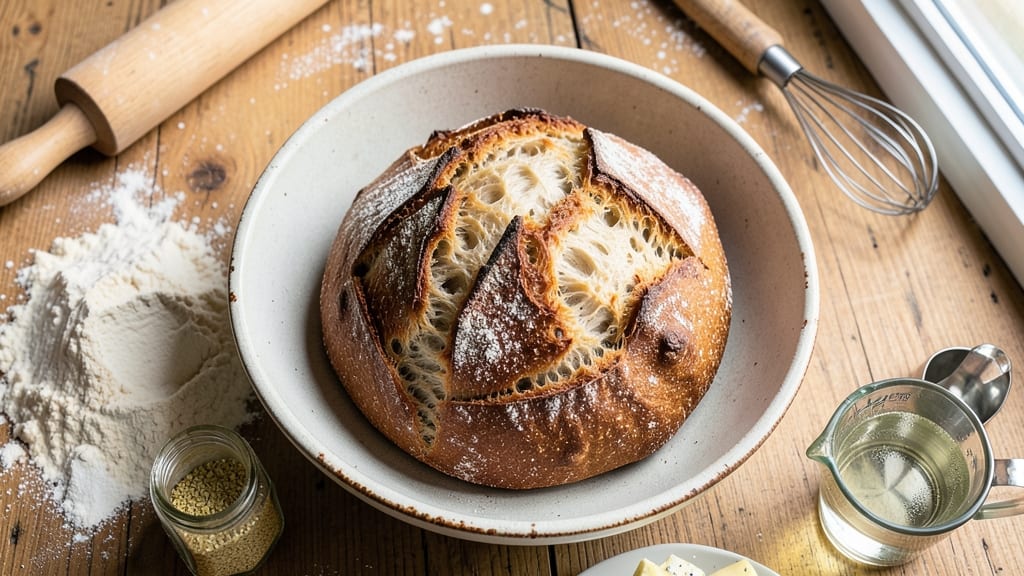
Betty Crocker's sourdough bread recipe transforms your kitchen into a bakery with just five simple ingredients and a no-knead approach. The secret lies in a slow fermentation process that develops deep flavor and a crisp, golden crust without the effort of traditional kneading.
I've refined this method over years of baking, ensuring consistent results even for beginners.
This recipe delivers restaurant-quality bread with a light, airy crumb and a crackly crust—achieved through precise temperature control and proper proofing. The dough requires minimal handling, making it perfect for weeknight baking or weekend projects. What sets this apart is the balance between Betty Crocker's trusted techniques and modern convenience.
By the time you pull it from the oven, you'll have a loaf that smells like a French bakery and tastes even better. The crust will be perfectly crisp, while the interior remains soft and fluffy.
This is bread that makes toast, sandwiches, and garlic bread truly special—without the complexity of traditional sourdough methods.
Whether you're feeding your family or treating yourself, this recipe scales beautifully and produces results that rival artisanal bakeries. Let's get started on creating your perfect loaf.
Ingredients for betty crocker sourdough bread
Five simple ingredients transform your kitchen into a bakery with no-knead magic.
| Ingredient | Amount | Notes |
|---|---|---|
| All-Purpose Flour 🌾 | 5 cups | Unbleached for best texture |
| Active Dry Yeast 🍞 | ¼ tsp | Freshly opened for potency |
| Granulated Sugar 🍬 | ½ tsp | Feeds yeast for activation |
| Salt 🧂 | 1 ½ tsp | Diamond Crystal preferred |
| Unsalted Butter 🧈 | ½ cup | Cold, cubed for flavor |
| Warm Water 💧 | 1 ¼ cups | 105°F for ideal yeast activation |
| Cornmeal 🌽 | ¼ cup | For dusting baking surface |
| Coarse Sea Salt 🧂 | 1 tsp | For final crust sprinkle |
| Ice Water ❄️ | ½ cup | For dough shaping (optional) |
The flour is your foundation—King Arthur or Bob's Red Mill work best for that tender crumb. Check expiration dates on yeast; it's the heart of this recipe, and old yeast won't activate properly. For the butter, Land O'Lakes or Plugrá brands stay firm when cold. The water temperature matters more than you'd think—too hot kills the yeast, too cold slows fermentation. I keep a thermometer in my fridge just for this. Cornmeal isn't just for dusting; it adds a subtle sweetness to the crust that's worth the extra step.
No yeast? Sourdough starter replaces it 1:1, but fermentation times double. Short on butter? Olive oil at half the amount works, though the crust won't be as tender. The sugar can be swapped for honey (same amount), but it'll darken the crust faster. For salt, Morton kosher is fine, but Diamond Crystal dissolves cleaner. Pro tip: If your kitchen runs hot, chill the dough 30 minutes in the fridge before shaping—prevents overproofing. The ice water isn't mandatory, but it helps with handling if your kitchen feels sticky.
This dough keeps 24 hours in the fridge before baking—perfect for overnight prep. Shape it into a round boule or oval batard; both work beautifully. For the crust, bake at 450°F for 30 minutes, then reduce to 375°F for 20-25 minutes. The loaf stays fresh 3 days at room temperature wrapped in a towel, or 1 week frozen. I slice it with a serrated knife, dip it in milk, and freeze portions for quick toast. The crust gets crunchier with time—save slices for croutons!
Why You'll Love This Recipe
- No Fuss, Same Day: I swear by this recipe because it doesn’t require a starter or waiting days—just mix, knead, let rise, and bake. The yeast and sugar combo gives you that classic sourdough tang without the fuss of feeding a culture.
- Golden Crust, Soft Core: That buttery crust? Chef’s kiss. The butter in the dough creates this perfect crispy shell with a pillowy interior—no fancy techniques, just flour, yeast, and a little patience. Honestly, it’s the kind of bread that makes you pause mid-slice just to admire it.
- Weeknight Hero: I make this at least twice a week—it’s my go-to for sandwiches, toast, or even French toast. The dough’s forgiving, so it’s perfect when you’re juggling dinner, laundry, and a kid who “forgot” to pack their lunch.
- Budget Bread, Always: Five ingredients, zero specialty items, and it stretches to feed my family for days. Freeze the leftovers in slices, and you’ve got toast or grilled cheese ready in minutes—no takeout needed. (Yes, even on a Tuesday night.)
Step-by-step instructions for Betty Crocker's sourdough bread
Here's how to transform simple ingredients into a rustic loaf with crisp crust and airy crumb.
Activate the Yeast and Mix the Dough
In a large mixing bowl, combine the 5 cups all-purpose flour, 1.5 tsp salt, and 0.5 tsp granulated sugar. Make a well in the center and add the 0.25 tsp active dry yeast. Pour in 1.25 cups warm water (about 105°F) and mix until just combined—you want a shaggy dough that clings together but isn't fully incorporated yet.
Let the dough rest for 5 minutes while you prepare a clean work surface. This brief pause allows the yeast to begin activating, which makes handling the dough easier later. The mixture should develop small bubbles along the surface and smell slightly sweet—this confirms your yeast is alive and ready to work.
After resting, add the 0.5 cup cold, cubed unsalted butter to the bowl. Using a dough scraper, work the butter into the dough until fully incorporated. The butter should melt slightly from the dough's warmth but remain cool enough to create pockets of flavor. If the dough feels too sticky, add 1 tablespoon of flour at a time until it becomes manageable but still slightly tacky.
Shape and Rest the Dough
Turn the dough onto a lightly floured surface and gently shape it into a rough rectangle about 12x8 inches. Fold the long sides toward the center, then fold the top and bottom edges inward to create a compact package. This technique, called "letter folding," helps develop gluten without overworking the dough.
Place the folded dough seam-side down in a lightly oiled bowl. Cover with a damp kitchen towel and let it rest at room temperature for 1 hour. During this time, the dough should nearly double in size and develop small bubbles along the surface. If using the optional 0.5 cup ice water, sprinkle it over the dough during the last 10 minutes of resting—this adds moisture for a softer crumb.
Here's the thing—don't rush this step. The dough needs time to relax and develop structure. If you're impatient and shape it too early, you'll end up with a dense loaf instead of that light, airy texture we're after.
Shape the Final Loaf and Prepare for Baking
After the initial rise, turn the dough onto a lightly floured surface and gently deflate it by pressing down with your knuckles. Shape it into a 12-inch round by pulling the edges toward the center while rotating the dough. This creates surface tension that helps the loaf hold its shape during baking.
Place the shaped dough on a baking sheet dusted with 0.25 cup cornmeal. This creates a barrier between the dough and the pan, preventing sticking and promoting even browning. Cover loosely with the damp towel and let it rise for another 45-60 minutes until it has puffed noticeably and springs back slowly when pressed gently.
While the dough rises, preheat your oven to 425°F. Position a baking stone or inverted baking sheet on the middle rack—this helps create steam during baking, which is crucial for that crisp crust and open crumb. Real talk: if you don't have a baking stone, a heavy metal baking sheet works just fine.
Score and Bake for Crispy Perfection
Just before baking, sprinkle the dough generously with 1 tsp coarse sea salt. Using a sharp serrated knife or lame, score the top of the loaf in a ½-inch deep crosshatch pattern. This allows the dough to expand as it bakes and creates those beautiful crusty ridges we all love.
Bake the bread for 25-30 minutes until the crust is deep golden brown and sounds hollow when tapped on the bottom. The internal temperature should reach 190°F at the center. If the crust browns too quickly, tent the loaf with aluminum foil to prevent over-browning while it continues to bake.
This is the moment that matters: the bread should have a crisp exterior that gives way to a soft, airy interior with an open crumb structure. If you cut into it too soon, you'll lose steam and collapse that beautiful texture we've worked so hard to achieve.
Pro Tips For Making Betty Crocker Sourdough Bread
- Bloom the Yeast First: Skip mixing yeast straight into flour—it’s lazy and can leave your dough sluggish. Instead, dissolve the yeast in warm water (110°F) with a pinch of sugar for 5-10 minutes until frothy. This guarantees your dough rises right the first time, especially since Betty Crocker’s recipe uses all-purpose flour, which isn’t as forgiving as bread flour.
- Salt the Butter: The recipe calls for unsalted butter, but I learned this the hard way—if you forget to salt it, your bread tastes bland. Add the full 1 teaspoon salt directly to the butter while it’s still soft, then mix it into the dough. It distributes better than sprinkling it later, and your crust will have that perfect balance.
- Don’t Over-Knead: Betty Crocker’s recipe isn’t designed for a long, tough knead like artisan sourdough. After 5-6 minutes by hand (or 3-4 in a stand mixer with the dough hook), the dough should pull away cleanly but still feel slightly tacky. Overworking it makes the bread dense—trust the recipe’s timing.
- Use a Dutch Oven: This isn’t optional—it’s the thing that matters most for crispy crust and even baking. If you don’t have one, preheat a heavy pot with a lid instead, but make sure it’s hot before adding the dough. Cold pots = soggy bottoms, and nobody wants that.
Perfect pairings for this dish
Classic Butter Spreads
Nothing beats this sourdough with a generous slab of cultured butter—I reach for Plugrá European-style butter for its rich, slightly sweet flavor. For extra decadence, mix in honey (like Buckwheat Honey) or garlic-infused olive oil (I use California Olive Ranch).
Spread it thick on warm slices for that perfect balance of crisp crust and creamy interior. 🧈
Sweet Toppings
Drizzle baked bread with local maple syrup or brown butter for a quick breakfast treat. For something more indulgent, try mascarpone cream mixed with vanilla bean paste and a sprinkle of crushed pistachios.
I also love Nutella for a nostalgic touch—just spread it while the bread is still warm for the best texture.
Savory Pairings
This bread shines with sharp cheddar cheese (like Cabot Clothbound) and apple slices for an easy lunch. For a heartier option, spread with whipped feta mixed with chopped sun-dried tomatoes and basil. The crust's crunch contrasts beautifully with creamy, tangy fillings—perfect for sandwiches or open-faced plates. 🧀
Beverage Pairings
A steaming mug of chai tea (I use Tazo Chai Latte) complements the bread's caramel notes beautifully. For coffee lovers, a dark roast (like Peet's Major Dickason's Blend) cuts through the richness.
If you prefer something lighter, sparkling apple cider (like Martinelli's) adds a refreshing contrast to the bread's depth.
Breakfast Combos
Toast slices and top with scrambled eggs and crispy bacon for a hearty morning meal. For a vegetarian option, layer with ricotta cheese, sliced figs, and toasted walnuts.
The bread's structure holds up perfectly to these toppings, making it ideal for make-ahead breakfasts. Pro tip: Add a pinch of flaky sea salt after toasting for extra flavor. 🍳
Dinner Accompaniments
Serve warm slices alongside roasted vegetables (like zucchini and bell peppers) tossed in olive oil and herbs. For a protein-rich pairing, offer grilled chicken with herb butter and roasted garlic. The bread's crust soaks up any juices beautifully, making every bite more flavorful. 🥦
Nutrition facts
Frequently asked questions
Can I make this sourdough bread without yeast?
This recipe relies on active dry yeast for predictable fermentation, but you can adapt it for a 100% sourdough starter by replacing the yeast with 1 cup active starter (fed and bubbly). The dough will take 12-24 hours to rise at room temperature, and you'll need to bake immediately after shaping—no second rise. For best results, use a starter that's at least 5 days old.
Why did my crust turn out too dark?
Overly dark crusts usually happen from baking too long or at too high a temperature. Start with 425°F for 20 minutes, then reduce to 375°F until golden. Cover the loaf with foil if it browns too quickly. Also check your oven's accuracy—many run 25°F hotter than set.
How do I store leftover sourdough?
Wrap cooled bread in a clean kitchen towel and store at room temperature for 2-3 days—this keeps it fresh longer than plastic. For longer storage, freeze slices wrapped in parchment paper. To revive frozen bread, warm it in a 350°F oven for 5-10 minutes until crispy again.
Can I use whole wheat flour instead?
You can substitute 25% whole wheat flour (about 1.25 cups) for a nuttier flavor, but don't exceed that ratio. Whole wheat absorbs more liquid, so you may need 1-2 extra tablespoons of water. The crumb will be denser, but the crust remains crisp when baked properly.
What's the best way to reheat sliced bread?
For crispy crust and soft interior, wrap slices in foil and warm at 350°F for 3-5 minutes. For extra crunch, broil for 1-2 minutes on high. Avoid microwaving—it makes bread gummy. Pro tip: Toast reheated slices for 30 seconds to restore freshness.