
Soups & Stews
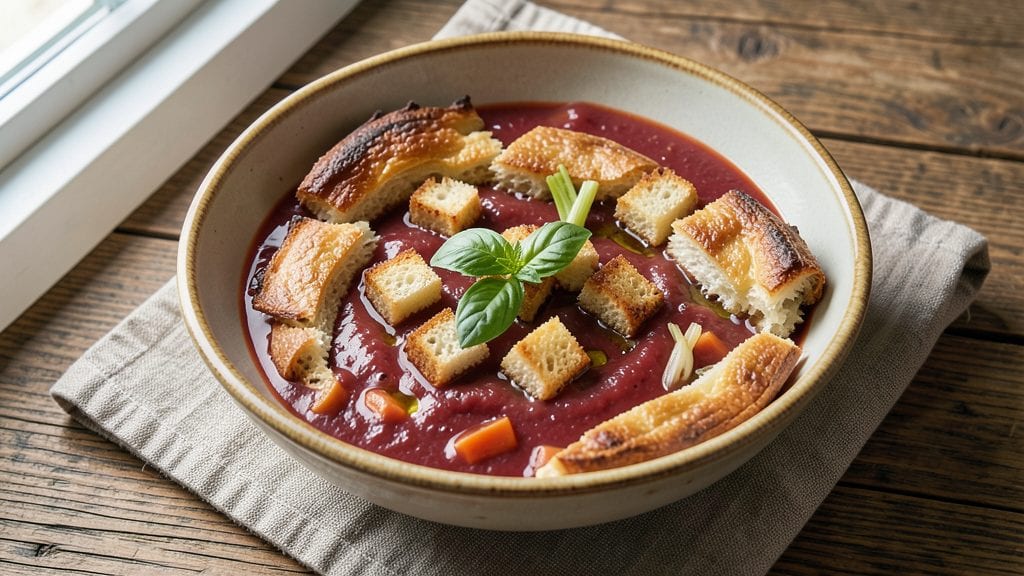
This baker's crust tomato soup recipe transforms a classic into something extraordinary with its crispy, buttery cornmeal crust and velvety broth. The secret lies in balancing the rustic texture of toasted bread with the smooth, rich flavor of slow-simmered tomatoes and herbs—creating a dish that feels both comforting and refined.
I developed this version after years of perfecting the crust-to-soup ratio, ensuring every bite delivers both hearty satisfaction and delicate seasoning.
The foundation begins with a deep, flavorful tomato base—simmered until the natural sweetness concentrates and the acidity mellows.
While the soup works its magic in a pot, the crust gets its moment in a skillet, where cornmeal and melted butter create a golden, crunchy topping that contrasts beautifully with the silky broth. This technique eliminates the need for heavy cream while delivering restaurant-quality depth.
What you'll achieve is a bowl of soup where each spoonful offers two distinct textures: the crispy, buttery crust at the bottom and the smooth, herb-infused tomato broth above. Perfect for chilly evenings or as a starter that steals the show, this recipe delivers professional results with simple techniques.
The crust stays crisp even after reheating, making it ideal for meal prep or serving directly from the pot.
Pair with a simple green salad or crusty bread to soak up every last drop of that rich tomato goodness. The recipe scales effortlessly for gatherings, and the crust can be adjusted to your preferred thickness—thinner for delicate bites or thicker for heartier portions.
Let's get started on this timeless, elevated classic.
Ingredients for baker's crust tomato soup
Tomato soup's classic comfort meets rustic crust in this refined, buttery creation.
| Ingredient | Amount | Notes |
|---|---|---|
| Extra-Virgin Olive Oil 🫒 | ¼ cup | High quality, fruity |
| Yellow Onion 🧅 | 1 whole | Diced, medium size |
| Garlic Cloves 🧄 | 4 cloves | Peeled, minced |
| Carrots 🥕 | 2 medium | Diced, peeled |
| Celery Stalks 🌿 | 2 whole | Diced, trimmed |
| Canned San Marzano Tomatoes 🍅 | 28 oz | Crushed by hand |
| Chicken or Vegetable Broth 💧 | 4 cups | Low-sodium preferred |
| Cornmeal 🌾 | ½ cup | Fine grind preferred |
| Unsalted Butter 🧈 | 4 tbsp | Cold, cubed |
| Fresh Thyme Leaves 🌿 | ¼ cup | Chopped, stems removed |
| Fresh Basil Leaves 🌿 | ¼ cup | Chopped, stems removed |
| Salt 🧂 | 1 ½ tsp | Kosher or sea salt |
| Black Pepper 🌶️ | ½ tsp | Freshly ground preferred |
| Baguette 🍞 | ½ loaf | Crust removed, torn |
| Parmesan Cheese 🧀 | ¼ cup | Freshly grated from block |
The San Marzano tomatoes are non-negotiable here—their natural sweetness and low acidity create the perfect base. Whole Foods or Trader Joe's carry them in cans, and they're worth the investment. For the crust, fine-ground cornmeal gives the best texture, while unsalted butter ensures richness without overpowering. The baguette should be stale or lightly toasted to prevent sogginess—Costco or local bakeries often have perfect day-old loaves. Fresh herbs like thyme and basil elevate the soup, so grab them from the grocery store's produce section and store them properly to maintain their vibrant flavor.
No San Marzano tomatoes? High-quality crushed tomatoes work, but you may need to add a pinch of sugar to balance the acidity. Substitute the baguette with crusty sourdough or Italian bread—just ensure it's stale. For a dairy-free option, use olive oil instead of butter in the crust. Fresh herbs can be swapped with dried at one-third the amount, but the texture won't be as bright. If you're short on time, pre-minced garlic from a jar works, though fresh is always better. The cornmeal crust can also be made ahead and reheated with the soup to maintain crispiness.
Store the soup base (without crust) in an airtight container for up to 5 days in the fridge, or freeze for 3 months. The crust is best made fresh, but you can prepare it up to 2 days ahead and store it in the fridge, covered. To reheat, warm the soup gently on the stove and crisp the crust in a skillet with a bit of butter. The crust's texture is delicate—avoid microwaving the entire dish to preserve its crunch.
Why You'll Love This Recipe
- Here’s what sold me: that crispy, golden crust on top while the soup below is velvety and rich. The olive oil and garlic base build layers of flavor, but it’s the crust—lightly toasted, almost cracker-like—that makes it feel like a restaurant dish. (Yes, even on a Tuesday night.)
- One-Pot Magic: I swear by this—just toss onions, carrots, celery, and garlic in olive oil, let them soften, then pour in crushed tomatoes and stock. No extra bowls, no fuss. The crust? That’s the genius part—it’s all about the edges, caramelized from the oven, while the soup stays silky smooth underneath.
- Crusty Contrast: Here’s what sold me: that crispy, golden crust on top while the soup below is velvety and rich. The olive oil and garlic base build layers of flavor, but it’s the crust—lightly toasted, almost cracker-like—that makes it feel like a restaurant dish. (Yes, even on a Tuesday night.)
- Leftovers That Shine: This soup tastes better the next day. Honestly, I make a big batch on Sundays because reheating it is a game-changer—just a splash of water or broth to loosen it up, and that crust? Even better after a night in the fridge. My kids fight over it.
Step-by-step instructions for baker's crust tomato soup
Here's how to transform simple ingredients into velvety tomato soup with a golden, buttery cornmeal crust.
Sauté the Vegetable Base
Heat the 0.25 cup extra-virgin olive oil in a large Dutch oven over medium heat. Add the 1 whole diced yellow onion, 2 medium diced carrots, and 2 whole diced celery stalks. Cook for 8-10 minutes, stirring occasionally, until the vegetables soften and the onion becomes translucent.
Add the 4 cloves minced garlic cloves and cook for 1 minute until fragrant. This foundational cooking step develops deep flavor and ensures your soup has a rich, aromatic base. If the vegetables begin to brown too quickly, reduce the heat slightly to prevent burning.
Build the Tomato Broth
Pour in the 28 oz crushed San Marzano tomatoes and stir to combine with the vegetables. Add the 4 cups chicken or vegetable broth, 1.5 tsp salt, and 0.5 tsp black pepper. Bring the mixture to a boil, then reduce the heat to medium-low and let it simmer for 20 minutes, uncovered.
While simmering, stir in the 0.25 cup chopped fresh thyme leaves and 0.25 cup chopped fresh basil leaves. These herbs will infuse the soup with bright, fresh flavors. After 20 minutes, the soup should be smooth and flavorful. If it's too thick, add a splash of water or broth to reach your desired consistency.
Prepare the Cornmeal Crust
In a small bowl, mix the 0.5 cup cornmeal with 4 tbsp cold cubed unsalted butter until it resembles coarse crumbs. The butter should be cold to prevent the cornmeal from turning into a paste. Spread the 0.5 loaf torn baguette evenly on a baking sheet and sprinkle the cornmeal-butter mixture over the top, pressing gently to adhere.
Bake the crust at 375°F for 10-12 minutes until it's golden brown and crispy. This step creates the signature crunchy topping that contrasts beautifully with the silky soup. Keep an eye on it to avoid over-browning, as cornmeal can darken quickly.
Combine and Finish the Soup
Carefully transfer the baked crust to the simmering soup, pressing it gently into the broth. The crust will soften slightly as it absorbs the liquid, creating a rich, creamy texture. Let the soup simmer for an additional 5 minutes to allow the flavors to meld.
Remove the soup from heat and stir in the 0.25 cup freshly grated Parmesan cheese. The cheese will add a savory depth and help emulsify the soup for a velvety finish. Taste and adjust seasoning if needed, then ladle the soup into bowls, ensuring each serving gets a generous piece of the crispy crust.
Pro Tips For Making Baker'S Crust Tomato Soup
- Sweat, Don’t Burn: DESCRIPTION: The onions and celery need a good cry—meaning slow, steady heat until they’re soft and translucent, not browned. I used to rush this with high heat, and the soup ended up tasting bitter. Keep it at a simmer, stir often, and let those veggies break down properly before adding anything else.
- Dice Garlic Small: DESCRIPTION: Tiny garlic cloves (almost minced) disperse better and cook faster than big chunks. I learned this the hard way when my soup had raw garlic pockets. Use 3-4 cloves, finely chopped, and add them in the last 2 minutes of cooking—just enough to infuse flavor without burning.
- Strain for Smoothness: DESCRIPTION: If you want that classic velvety texture, strain the soup through a fine-mesh sieve after blending. I skip this sometimes for rustic texture, but when I want that restaurant-quality finish, a good press with a ladle makes all the difference.
- Toast the Crust: DESCRIPTION: The crust isn’t just for looks—it’s the crunchy payoff. After baking, broil the soup for 2-3 minutes until the edges turn golden and crisp. Watch it like a hawk; it burns faster than you think, but that’s the only way to get the texture right.
Troubleshooting great baker's crust tomato soup
Crust Too Soggy
If your crust loses its crunch, it’s likely absorbing too much moisture from the soup. To fix this, bake the crust separately at 375°F for 12-15 minutes until golden and fully crisp. Then, place it on top of the soup just before serving—this keeps the texture intact.
For extra insurance, brush the crust with 1 tbsp melted butter before baking to create a moisture barrier. 🌟
Broth Too Thin
A watery soup happens when the broth isn’t reduced enough. After simmering the tomatoes and vegetables for 20 minutes, uncover the pot and let it reduce for an extra 10 minutes on medium heat.
If it’s still too thin, mash a few spoonfuls of the cooked vegetables into the broth to thicken it naturally. For a quicker fix, stir in 1 tbsp cornstarch mixed with 2 tbsp cold water until the soup reaches your desired consistency.
Burnt Cornmeal Crust
Cornmeal burns faster than bread, so watch it closely! If your crust turns dark too quickly, reduce the oven temperature to 350°F and bake for an extra 5 minutes.
For a backup plan, toast the crust in a skillet over medium heat for 3-4 minutes—this gives you better control. Always use fine-ground cornmeal (like Bob’s Red Mill) for even browning.
Flavor Too Mild
If your soup lacks depth, boost the umami by adding 1 tsp fish sauce or ½ tsp smoked paprika during simmering. For brightness, squeeze in 1 tbsp lemon juice at the end.
I also recommend roasting the tomatoes before crushing them—toss halved tomatoes with 1 tbsp olive oil, ½ tsp salt, and roast at 400°F for 20 minutes to concentrate their flavor. 💫
Crust Not Adhering
If the crust crumbles or won’t stick, toast the baguette slices in the oven for 5 minutes before adding the cornmeal mixture. This removes excess moisture and creates a better base.
For extra grip, brush the bread with a little olive oil before sprinkling the cornmeal-butter mix. Press firmly with a spatula to ensure even coverage.
Leftover Soup Issues
Reheating can turn the crust soggy, but a quick fix keeps it crisp. Remove the crust and reheat the soup on the stovetop over low heat. Then, toast the crust in a dry skillet for 2-3 minutes until golden again.
For storage, keep the crust separate in an airtight container—reheat it alongside the soup to maintain texture. 🔥
Nutrition facts
Frequently asked questions
Can I make this tomato soup without a Dutch oven?
A large, heavy-bottomed pot works perfectly fine! The key is using a pot that can handle medium heat without burning the vegetables. If your pot is light or thin, reduce the heat slightly to medium-low when sautéing to prevent sticking or scorching. A 6-quart stockpot is ideal for this recipe.
How do I adjust the crust for gluten-free diets?
Replace the baguette with gluten-free bread (like a crusty sourdough alternative) and use certified gluten-free cornmeal for the crust. For extra binding, mix 1 tbsp gluten-free flour into the cornmeal-butter mixture. The texture will still be crispy, but slightly more delicate. Always check labels to avoid cross-contamination.
Can I use fresh tomatoes instead of canned?
Fresh tomatoes work, but they require extra prep! Roast 4-5 large ripe tomatoes at 400°F for 20 minutes until soft, then peel, crush, and use in place of the canned tomatoes. Add 1 tbsp sugar to balance acidity if needed. Fresh tomatoes have more water content, so you may need to simmer the soup 5-10 minutes longer to thicken it properly.
What’s the best way to serve this soup?
This soup shines as a starter or light main course. Pair with a simple arugula salad dressed with lemon vinaigrette, or serve alongside garlic bread for extra crust action. For a heartier meal, top individual bowls with grilled chicken or crispy prosciutto. The crust stays crisp even when served cold, making it perfect for picnic-style gatherings.
Why does my crust turn out greasy?
Greasy crusts happen when too much butter melts before baking. Use cold cubed butter and mix it just until crumbly—don’t overwork it. For even distribution, press the mixture gently onto the bread with the back of a spoon. If the crust still seems oily, reduce the butter to 3 tbsp and add 1 tbsp olive oil for better texture control.