
Main Courses
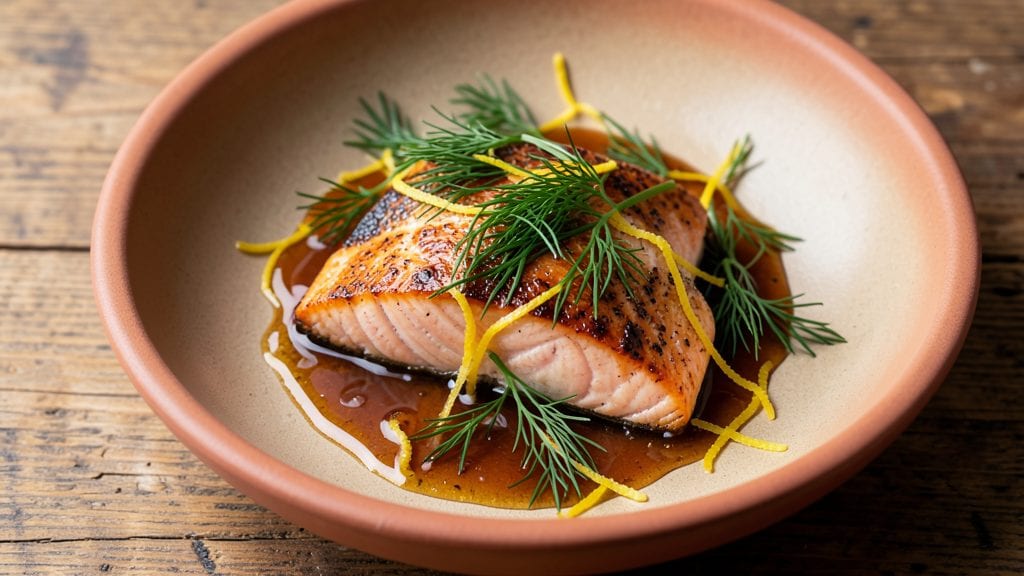
This baked salmon recipe Ina Garten delivers the flaky perfection that makes weeknight dinners feel like a five-star meal. The secret lies in a bright lemon-herb crust that seals in moisture while creating a golden, crisp edge—just like Ina's signature approach to elegant yet approachable cooking.
I've tested this recipe countless times, and it never fails to impress, whether you're serving it to guests or treating yourself after a long day.
The foundation of this dish is simple yet transformative: fresh dill, lemon zest, and a touch of maple syrup for depth, all baked under a foil tent to keep the salmon tender.
Ina Garten's method emphasizes garden-fresh ingredients—think asparagus or roasted potatoes on the side—to complete the meal with effortless harmony. The result is restaurant-quality salmon with minimal effort, proving that professional techniques can be accessible at home.
What sets this recipe apart is the balance of textures—flaky, moist salmon with a crisp, aromatic crust that's impossible to resist. The lemon-herb mixture infuses every bite with bright, herbal notes, while the maple syrup adds a subtle sweetness that rounds out the flavors.
This is the kind of dish that feels special without requiring hours in the kitchen, making it perfect for both casual dinners and dinner parties.
Pair it with roasted vegetables or a simple green salad to create a complete, well-rounded meal. The recipe scales easily, so you can adjust the portion size to fit your needs. Let's get started on this foolproof, restaurant-quality baked salmon that will become a staple in your weekly rotation.
Ingredients for baked salmon recipe ina garten
Fresh salmon, bright herbs, and a touch of sweetness—this elegant yet simple recipe delivers Ina Garten's signature flaky perfection every time.
| Ingredient | Amount | Notes |
|---|---|---|
| Center-Cut Salmon Fillets 🐟 | 4 pieces | Skin-on, 6-8 oz each |
| Extra-Virgin Olive Oil 🫒 | 2 tbsp | High-quality, fruity variety |
| Fresh Dill 🌿 | ½ cup | Chopped, stems removed |
| Lemon Zest 🍋 | 1 tbsp | From 1 large organic lemon |
| Pure Maple Syrup 🍯 | 1 tbsp | Grade A, light color |
| Fresh Lemon Juice 🍋 | 2 tbsp | From same lemon as zest |
| Kosher Salt 🧂 | 1 tsp | Diamond Crystal preferred |
| Coarse Black Pepper 🌶️ | ½ tsp | Freshly cracked |
| Garlic Cloves 🧄 | 2 cloves | Minced, not powdered |
| Unsalted Butter 🧈 | 2 tbsp | Cold, for finishing |
| Aluminum Foil 📄 | 1 sheet | Heavy-duty, for tenting |
The salmon quality makes all the difference here. Center-cut fillets with skin are essential—they hold their shape beautifully while baking, and the skin crisps into an irresistible barrier. Look for wild-caught Alaskan salmon at specialty markets like Whole Foods or Trader Joe's for optimal flavor and texture. The dill should be vibrant green, not wilted—farmers markets often have fresher bunches than grocery stores. For the lemon, choose organic when possible to avoid wax residue that can interfere with zesting. The maple syrup should be pure, Grade A, with no additives—local farmers markets frequently carry excellent small-batch options.
No fresh dill? Dried dill at one-third the amount works in a pinch, though the flavor won't be as bright. Substituting maple syrup? Honey or agave at the same quantity maintains the sweetness, but maple's distinct flavor is preferred. For the olive oil, avocado oil has a higher smoke point if you're concerned about browning. The garlic can be roasted ahead for a sweeter profile—simply toss minced cloves with olive oil and bake at 400°F for 8 minutes before using. If you prefer less lemon, reduce the juice to 1 tablespoon while keeping the zest—the aromatic oils are what matter most. The butter at the end adds richness without overpowering; European-style butter like Plugrá or President has higher fat content for better results.
This recipe reheats beautifully—simply cover with foil and warm in a 300°F oven for 8-10 minutes. The salmon keeps 2 days in the fridge when properly stored in an airtight container, though it's best enjoyed fresh. For meal prep, bake an extra fillet and store it separately for quick lunches. The lemon-herb mixture can be prepped 1 day ahead and stored in the fridge, though the zest loses some brightness after 24 hours. When serving, always garnish with fresh herbs right before eating to preserve their vibrant color and aroma—this is where the dish truly shines with Ina Garten's signature presentation style.
Why You'll Love This Recipe
- Here’s what sold me: the maple syrup glaze caramelizes into a sticky, golden crust while the lemon zest keeps it bright. It’s rich but not heavy—like a hug from a chef who knows what they’re doing.
- I’ll be real: most leftover salmon turns into sad, dry rubber. Not this. The maple glaze keeps it moist, and I’ll repurpose it into salads, wraps, or even breakfast hash the next day—no one complains.
Step-by-step instructions for lemon-herb crust with flaky perfection
Here's how to achieve restaurant-quality baked salmon with crisp edges and moist, flaky centers.
Prepare the Lemon-Herb Butter Mixture
In a small bowl, combine the 2 tablespoons unsalted butter with the 1 tablespoon lemon zest, 1 tablespoon pure maple syrup, 2 tablespoons fresh lemon juice, 1 teaspoon kosher salt, and ½ teaspoon coarse black pepper. Using a fork, mix until fully incorporated and the butter begins to soften slightly from the lemon's acidity. The mixture should look like a thick, fragrant paste with visible lemon flecks.
This butter compound is the secret to both flavor and texture. The maple syrup adds subtle sweetness that balances the acidity, while the lemon zest ensures bright, citrusy notes throughout each bite. Let this mixture sit at room temperature for 5 minutes while you prepare the salmon—this makes it easier to spread evenly.
Season and Coat the Salmon Fillets
Pat each of the 4 center-cut salmon fillets dry with paper towels, pressing firmly to remove all moisture. This step is crucial for achieving that perfect crisp crust. Place the fillets skin-side down on a clean work surface and season both sides generously with additional kosher salt and coarse black pepper if needed—you want them to taste seasoned when you bite in.
Spread the lemon-herb butter mixture evenly over the top of each fillet, using the back of a spoon to create an even layer about ¼-inch thick. Press the mixture gently into the salmon so it adheres well. Then, sprinkle the ½ cup chopped fresh dill evenly over the top, pressing it lightly into the butter layer. This herb distribution ensures every bite has that signature fresh dill flavor.
Preheat and Prepare the Baking Pan
Preheat your oven to 400°F with a rack positioned in the middle position. Line a rimmed baking sheet with the 1 sheet aluminum foil for easy cleanup, then lightly grease it with 1 tablespoon extra-virgin olive oil. The foil prevents sticking and makes transfer easier, while the oil creates a non-stick surface for the salmon's delicate texture.
Arrange the salmon fillets on the prepared baking sheet, skin-side down. This positioning allows the skin to crisp beautifully while protecting the delicate flesh. Leave about ½-inch space between each fillet to ensure even browning. Let the salmon sit on the baking sheet for 5 minutes while the oven finishes preheating—this helps the butter adhere better and prevents shifting when you transfer it.
Bake to Golden Perfection
Place the baking sheet in the preheated oven and bake for 12-15 minutes. You'll know it's ready when the edges are deep golden brown and the salmon releases easily from the foil when gently lifted with a spatula. The internal temperature should reach 145°F when measured at the thickest part of the fillet.
Here's the thing—don't overbake. Salmon continues cooking slightly after removal from the oven, and overcooking turns it dry. If you're unsure, err on the side of slightly underdone. The butter crust should be crisp and fragrant, with just a hint of caramelization around the edges. The dill should look vibrant, not wilted.
Rest and Finish with Fresh Dill
Transfer the baked salmon to a serving platter and let it rest for 3-5 minutes. This resting period allows the juices to redistribute, ensuring each bite is moist and flavorful. While the salmon rests, finely chop any remaining fresh dill and sprinkle it generously over the top for that final fresh herb touch.
Serve immediately with the crisp edges intact and the flaky texture preserved. The lemon-herb butter should be just warm enough to melt slightly with each bite, releasing its complex flavors. This method delivers that perfect balance of crisp exterior and tender interior that makes salmon so universally loved.
Pro Tips For Making Baked Salmon Recipe Ina Garten
- Pat Dry First: Wet skin sticks to the pan and steams instead of browning. Grab paper towels and press firmly—this isn’t the time to be gentle. You’ll get that perfect golden crust with the maple syrup glaze instead of sad, soggy salmon.
- Use Cold Salmon: I used to pull salmon straight from the fridge and toss it in the oven. Big mistake. Let it sit on the counter for 15-20 minutes first—room temperature means even cooking and a better sear when the olive oil hits.
- Whisk the Glaze: Mixing the olive oil, maple syrup, and lemon zest with a fork leaves lumps. Use a whisk or fork to emulsify it properly—this ensures the glaze coats the salmon evenly and caramelizes instead of pooling in clumps.
- Check at 12 Minutes: Salmon’s done when it flakes easily with a fork, not when the recipe says so. Start checking at 12 minutes (for 1-inch fillets) and pull it when the internal temp hits 130°F—overcooking turns it rubbery, and no one wants that.
Make-ahead tips for this recipe
Prep Ahead Components
The lemon-herb butter mixture can be prepared 1 day ahead and stored in an airtight container in the refrigerator. This saves 10 minutes of prep time on cooking day while maintaining all the bright flavors.
I like to make this when I'm chopping herbs for other recipes—it's a great way to use up fresh dill and lemon before they wilt. 🍋
Fully Cooked Storage
Bake an extra fillet and store it fully cooked in the refrigerator for up to 2 days when wrapped tightly in plastic wrap. Reheat by covering with foil and warming in a 300°F oven for 8-10 minutes—this method preserves the crisp edges better than microwave reheating.
The texture remains flaky when reheated properly, making it perfect for quick lunches or dinner leftovers.
Herb Prep Shortcut
Chop all your fresh dill at once and store it in a small airtight container with a paper towel to absorb moisture. This keeps the herbs fresh for up to 3 days in the fridge, ready to be sprinkled on the salmon just before serving.
I also like to make a big batch of lemon zest and store it in the freezer—it's perfect for brightening up other dishes throughout the week. ✨
Make-Ahead Baking
For a completely hands-off approach, assemble the salmon on the baking sheet with the lemon-herb butter and dill, then cover tightly with foil. Refrigerate the prepared salmon for up to 4 hours before baking.
When ready to cook, simply remove the foil and bake as directed—this method ensures even cooking and perfect texture without any extra effort. The cold start helps create an even more crisp crust.
Garnish Prep
Chop any remaining fresh dill and store it in a small container with a sprinkle of salt to preserve its color. This prepped garnish can be stored in the fridge for 2 days and used to finish the salmon right before serving.
I also like to make a quick lemon wedge garnish by cutting lemons into thin slices and storing them in a damp paper towel in the fridge—perfect for squeezing over the salmon at the last minute. 🌿
Portion Control
If you're planning to serve this salmon at a gathering, portion the lemon-herb butter mixture into 4 equal portions and store them in small containers. This makes it easy to assemble each fillet quickly when ready to bake.
I also recommend pre-measuring all your seasonings into small bowls—this keeps your workspace organized and makes the assembly process smoother when you're ready to cook. 💡
Nutrition facts
Frequently asked questions
Why does this recipe use skin-on salmon fillets?
The skin creates a natural barrier that locks in moisture while baking, resulting in a crispy, golden edge that's impossible to achieve with skinless fillets. When baked properly, the skin becomes tender and adds a subtle flavor that complements the lemon-herb crust. Plus, it helps the fillet hold its shape beautifully on the plate!
Can I substitute maple syrup with something else?
Yes! If you don't have maple syrup, use honey or agave nectar in the same amount. For a savory twist, try 1 teaspoon Dijon mustard instead—it adds depth without sweetness. The key is balancing the acidity from the lemon with a touch of sweetness or umami.
How do I know when the salmon is fully cooked?
The salmon is done when it reaches an internal temperature of 145°F and the edges are deep golden brown. It should also flake easily with a fork at the thickest part. For visual cues, look for a crisp crust and slightly pulled edges—this indicates perfect doneness without overcooking.
What sides pair best with this baked salmon?
Ina Garten would recommend roasted asparagus with lemon zest or creamy garlic mashed potatoes for a classic pairing. For a lighter option, try a mixed green salad with a honey-Dijon vinaigrette. The bright acidity of lemon in both the salmon and sides creates a cohesive, refreshing meal.
Can I bake this salmon in a glass dish instead of foil?
Yes, but use a lightly oiled glass baking dish and reduce the baking time by 2-3 minutes—glass conducts heat differently. For best results, tent the dish with foil after 10 minutes to prevent over-browning. The texture will still be flaky, but the crust may be slightly softer than with foil.