Side Dishes
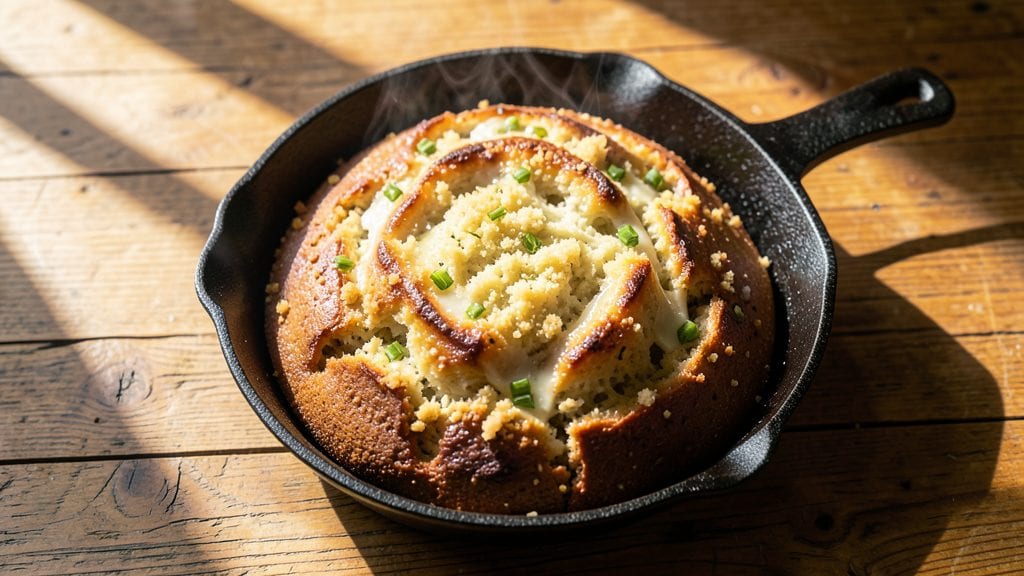
This Amish dill pickle bread recipe transforms humble ingredients into a savory masterpiece with every bite—where tangy pickle flavors meet crispy crust and soft interior. The secret lies in pickle juice, which adds that signature tang without overwhelming the bread's texture.
After years of perfecting this recipe, I've found the right balance of yeast activation and dough hydration to ensure a light, airy crumb that holds up to bold flavors.
The beauty of this recipe is its versatility—it works as a hearty side for soups, a flavorful sandwich base, or even a snack on its own. Traditional Amish techniques like slow fermentation and precise shaping create that signature crusty exterior while keeping the inside tender.
You'll need just five core ingredients plus a splash of pickle juice, making it simple yet impressive for any occasion.
What you'll end up with is a loaf of bread that's crispy on the outside, soft and pillowy inside, and packed with that unmistakable dill pickle tang. The aroma alone will have everyone asking what's for dinner.
This bread keeps well for days, so you can bake one batch and enjoy it all week—perfect for meal prep or holiday gatherings.
For an extra boost, consider adding chopped pickles or a sprinkle of herbs before baking. Serve warm with butter or alongside your favorite main dish. Here's how to make it—step by step, with professional results every time.
Ingredients for amish dill pickle bread
Five core ingredients plus a splash of pickle juice—this tangy bread comes together effortlessly.
| Ingredient | Amount | Notes |
|---|---|---|
| All-Purpose Flour 🌾 | 5 cups | Unbleached preferred for best texture |
| Active Dry Yeast 🍞 | 1 tbsp | Ensure yeast is fresh (test in warm water) |
| Granulated Sugar 🍚 | 1 tbsp | Helps activate yeast quickly |
| Salt 🧂 | 1 tsp | Kosher or sea salt preferred |
| Dill Pickle Juice 🥒 | ½ cup | From a jar of dill pickles |
| Unsalted Butter 🧈 | ¼ cup | Cold, cubed for dough mixing |
| Whole Milk 🥛 | ½ cup | Warm to room temperature |
| Large Egg 🥚 | 1 whole | Room temperature for best mixing |
| Chopped Dill Pickles 🥒 | ¼ cup | Optional for extra tangy crunch |
| Sesame Seeds 🌻 | 1 tbsp | For topping (optional but classic) |
| Poppy Seeds 🌱 | 1 tbsp | For topping (optional) |
| Coarse Cornmeal 🌽 | 2 tbsp | For dusting bread pan |
The yeast is non-negotiable here. Bob's Red Mill or Saf-Instant are my go-tos—they're reliable and activate fast. If your yeast is old, toss it: it won't rise. For the flour, King Arthur or Gold Medal give the best texture. The pickle juice? Grab it from a jar of Heinz or Vlasic dill pickles—the tangier, the better. I always double-check the expiration date on the pickles; stale juice makes for flat bread. The butter should be cold—this helps create that signature crusty exterior.
No dill pickle juice? Substitute with 1/4 cup apple cider vinegar plus 1/4 cup water—it won't be identical, but it'll get you close. Running short on sesame seeds? Poppy seeds or everything bagel seasoning work just as well for topping. The milk can be any kind—whole, 2%, or even almond milk—but whole gives the best flavor. For the pickles, if you're feeling fancy, grab Kosher dills from Trader Joe's—they've got that perfect balance of tang and crunch. No time to chop? Pre-chopped pickles from the refrigerated section save you 2 minutes.
This dough is a beast—it needs at least 1 hour of rising time (sometimes 2 if your kitchen is chilly). Shape it gently; overworking makes the bread tough. For storage, wrap the baked loaf in a clean kitchen towel—keeps it moist for 3 days on the counter. Freeze slices for up to 3 months—just toast straight from frozen. Pro tip: Brush warm bread with melted butter right out of the oven for that restaurant-quality sheen.
Why You'll Love This Recipe
- Pickle Juice Magic: That tangy pickle juice does all the work—no fancy mixers or hard-to-find spices. Just toss it in with the yeast, and suddenly your dough has this bright, punchy flavor that makes it stand out.
- No-Knead, No-Stress: Honestly, this dough barely needs handling. Mix, let it rise, shape—done. No standing at the counter wrestling flour like some homemade bread disasters I’ve seen.
- Leftovers? Laughable: This bread keeps for days in the fridge, toasts up fresh every time, and freezes like a champ. I’ve pulled slices straight from the freezer for a quick breakfast sandwich—no thawing required.
- Budget Bread, Big Impact: Flour, yeast, sugar, salt, and a jar of pickles? You’re already stocked. It’s the kind of recipe that turns pantry staples into something people actually ask for seconds of.
Step-by-step instructions for Amish dill pickle bread
Here's how to make this tangy, crusty bread that's perfect for breakfast or sandwiches.
Activate the Yeast with Pickle Juice
In a small bowl, combine the 0.5 cup dill pickle juice and 1 tbsp granulated sugar. Stir in the 1 tbsp active dry yeast and let it sit for 5-10 minutes until it becomes frothy and bubbly. This is your signal the yeast is alive and ready to work—if it doesn't bubble, your yeast might be dead and you'll need to start over.
I like to use a warm spot in my kitchen for this step, like near the oven with the light on. The warmth helps speed up the activation process. Once it's bubbly, you're ready to move to the next step—don't let it sit too long or it'll overproof before you even start.
Mix the Dough Ingredients
In the bowl of a stand mixer fitted with the dough hook attachment, combine the 5 cups all-purpose flour and 1 tsp salt. Mix on low speed for 30 seconds to distribute the flour evenly. Add the 0.25 cup unsalted butter (cold and cubed) and mix until it starts to break down and coat the flour.
In a separate bowl, whisk together the 0.5 cup warm whole milk and the 1 whole large egg. Pour this liquid mixture into the flour mixture along with the yeast mixture. Mix on low speed for 2-3 minutes until the dough starts to come together. If it's too sticky, you can add 1-2 tablespoons more flour—this bread should be soft but manageable, not a wet mess.
Knead Until Smooth and Elastic
Switch to medium speed and knead the dough for 5-7 minutes until it becomes smooth, elastic, and pulls away from the sides of the bowl. You'll know it's ready when you do the "windowpane test"—wet your finger, poke the dough, and gently stretch it. If it stretches thin enough to see light through without tearing, it's perfect.
If the dough feels too sticky, wet your hands slightly to keep it from sticking to you. This kneading step develops the gluten, which gives the bread its chewy texture and that satisfying crust. Don't rush it—under-kneaded dough leads to dense bread that won't rise properly.
First Rise and Shape the Loaves
Lightly grease a large bowl with a bit of olive oil (not in our ingredients, but I keep some handy) and place the dough inside. Cover the bowl with a clean kitchen towel or plastic wrap and let it rise in a warm place for 1-1.5 hours or until it doubles in size. You'll see bubbles forming on the surface and the dough will feel light when pressed gently with your finger.
Once risen, punch down the dough to release any air bubbles. Divide it into 4 equal portions (about 1.25 cups each) and shape each into a smooth ball. Place them in a 9x5-inch loaf pan that's been lightly dusted with 2 tablespoons coarse cornmeal—this prevents sticking and adds a nice texture to the crust. Cover again and let rise for another 30-45 minutes until puffy.
Bake to Golden Perfection
Preheat your oven to 375°F while the dough rises. Brush the tops of the loaves with a bit of water (just a light mist) and sprinkle evenly with the 1 tbsp sesame seeds and 1 tbsp poppy seeds. You can also press the 0.25 cup chopped dill pickles lightly into the tops for extra tangy crunch—this is where the bread gets its signature flavor.
Bake for 25-30 minutes until the tops are deep golden brown and the internal temperature reaches 190°F. The bread should sound hollow when you tap the bottom—this is your cue it's fully baked. If the tops brown too quickly, tent with foil to prevent burning while the centers finish cooking.
Cool and Slice for Maximum Enjoyment
Remove the loaves from the pan and let them cool on a wire rack for 10-15 minutes before slicing. This resting period allows the bread to firm up slightly, making it easier to slice without falling apart. The crust should be crispy, the crumb soft but sturdy, and each bite should deliver that tangy pickle flavor.
Slice while still warm for the best texture—this bread is fantastic for toast, sandwiches, or served alongside soups. Store any leftovers in an airtight container at room temperature for up to 3 days, or freeze for up to 3 months. The flavor actually improves slightly as it sits, so this bread is worth making ahead!
Pro Tips For Making Amish Dill Pickle Bread
- Measure Pickle Juice Precisely: DESCRIPTION:
- Bloom the Yeast in Warm Juice: DESCRIPTION:
- Knead Until Silky, Not Tough: DESCRIPTION:
- Proof in a Warm Spot: DESCRIPTION:
Regional styles of this recipe
Ohio Amish Tradition
The Amish communities in Ohio popularized this bread as a staple for their communal meals, often served alongside potato soup or fried chicken. The tangy pickle flavor was a practical way to use up homemade pickles during summer gardening seasons.
I’ve noticed that Ohio Amish bakers often add extra chopped pickles to the dough itself—about ¼ cup—for a more intense flavor. The bread’s dense, hearty texture makes it perfect for sandwiches or as a side for meatloaf. 🥖
Pennsylvania Dutch Twist
In Pennsylvania Dutch Country, this bread is often baked in cast-iron skillets instead of loaf pans, giving it a rustic, free-form shape. The recipe here uses pickle juice for tang, but some Pennsylvania bakers prefer fermented pickle brine for a deeper sourness.
I’ve tried both—brine adds complexity, but juice keeps the bread lighter. This version is also commonly topped with coarse salt instead of seeds for a simpler, more traditional look. 🌾
Midwest Farmhouse Favorite
The Midwestern states (like Indiana and Illinois) adapted this bread to suit their agricultural abundance, often incorporating local honey into the dough for sweetness. Some recipes replace ½ the milk with buttermilk to enhance the tang.
I’ve found that adding 1 teaspoon of caraway seeds to the dough—common in German-influenced Amish communities—adds a subtle licorice note that pairs beautifully with the pickles. This version is especially popular at farmers' markets during summer. 🌽
Modern Urban Adaptations
Today, city bakeries in Chicago and Detroit have reimagined this bread with sourdough starters for a tangier rise. Some even add smoked paprika or garlic powder for depth. I once saw a version topped with crumbled feta cheese and crispy prosciutto—a far cry from the original but still delicious.
The key to these adaptations? Balancing the pickle tang with rich, savory elements like cheese or cured meats. 🍴
Southern Appalachian Style
In Appalachian Amish communities, this bread is often baked in clay ovens, which give it a deeper crust. The recipe here uses dill pickle juice, but some Southern bakers prefer sweet pickle juice (from bread-and-butter pickles) for a milder sweet-tangy flavor.
I’ve experimented with both—sweet pickle juice works surprisingly well in sweet potato biscuits or cornbread-style loaves. The bread is frequently served with black-eyed peas or collard greens for a soulful meal. 🌶️
Nutrition facts
Frequently asked questions
Can I use sweet pickle juice instead of dill pickle juice?
Yes, but expect a milder flavor. Sweet pickle juice (from bread-and-butter pickles) adds subtle sweetness that pairs well with savory toppings like cheese or bacon. For a balanced tang, mix ¼ cup sweet pickle juice with ¼ cup regular dill pickle juice. This works especially well in sandwich bread variations.
Why does my dough smell so strong?
The intense pickle aroma comes from the juice and any chopped pickles in the dough. For a milder scent, reduce the pickle juice to ¼ cup and add ½ teaspoon of garlic powder for depth instead. The smell fades as the bread bakes—don't worry, the flavor won't be overpowering!
Can I make this bread without a stand mixer?
Mix the dough by hand in a large bowl, then knead on a floured surface for 8-10 minutes until smooth and elastic. Use the "windowpane test" to check doneness. The dough will be slightly stickier by hand, so add flour gradually as needed—just don't overdo it or the bread will be dense.
How do I store leftovers to keep them fresh?
Wrap cooled loaves tightly in a clean kitchen towel or aluminum foil, then store at room temperature for up to 3 days. For longer storage, slice and freeze individual portions on a tray before transferring to a bag—this prevents freezer burn. Toast straight from frozen for best texture. The bread actually tastes better after 24 hours as flavors meld!
What's the best way to serve this bread?
Warm slices make perfect toast with butter or cream cheese. Use it for Reuben sandwiches or BLTs—the tangy crust cuts through rich meats beautifully. Serve alongside potato soup or chili for dipping. For a sweet twist, top with honey and cinnamon for breakfast. The possibilities are endless!