Snacks
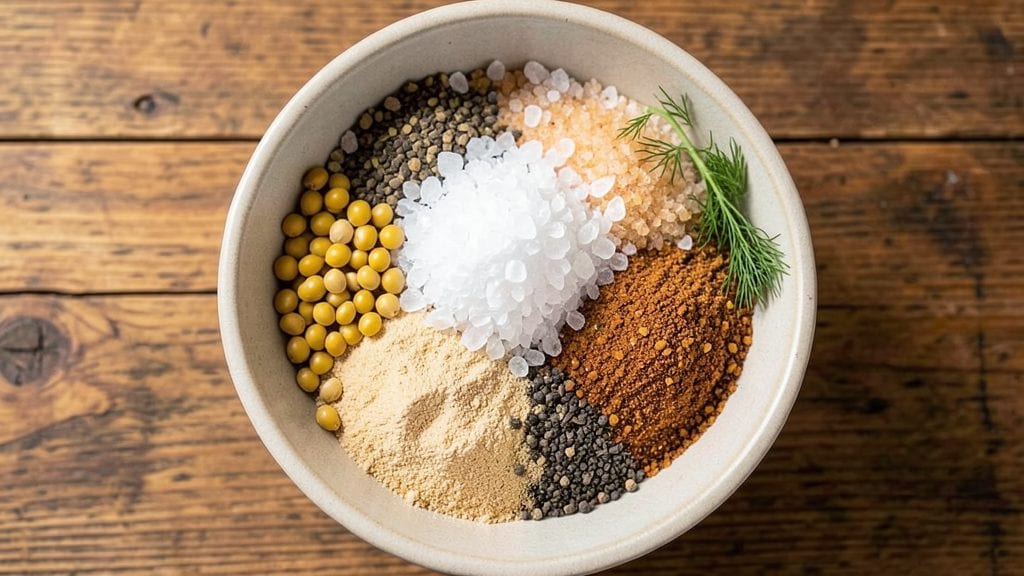
This pickle mix recipe transforms simple vegetables into tangy, crunchy delights with just a few dry ingredients—no cooking required. The perfect blend of salt, sugar, and spices creates that classic vinegar-packed flavor without the mess of liquid brines.
I developed this mix after struggling with store-bought versions that always tasted flat or overly sweet. The key is balancing preservatives with flavor enhancers to ensure crisp celery, carrot sticks, or even radishes stay vibrant for weeks.
The beauty of this dry seasoning blend lies in its versatility. Use it for both fermented and quick-pickled vegetables, adjusting the salt levels based on your preferred tanginess. The base recipe includes mustard seeds and garlic powder for depth, while optional dill or black pepper adds freshness.
Unlike liquid brines that require refrigeration, this mix stays shelf-stable for months when stored properly, making it ideal for meal prep or gifting.
What you’ll achieve is restaurant-quality pickles with crisp textures and bold flavors—no vinegar bottles or canning jars needed. The mix works equally well for crunchy celery sticks, thinly sliced cucumbers, or even pickled onions.
Once you try homemade, store-bought seasoning packets will never satisfy again. Here’s how to create this foolproof blend that elevates any vegetable into a tangy snack.
Store the mix in an airtight container away from moisture to preserve its potency. For fermented pickles, reduce the salt slightly, while quick-pickling benefits from a touch more sugar for immediate tang.
Whether you’re prepping for summer BBQs or stocking your pantry, this mix delivers professional results with minimal effort. Let’s get started on your customizable pickle seasoning blend.
Ingredients for pickle mix
Nine simple ingredients create restaurant-quality pickle flavor without vinegar or canning.
| Ingredient | Amount | Notes |
|---|---|---|
| Diamond Crystal Kosher Salt 🧂 | ½ cup | Fine grain preferred for even distribution |
| Granulated Sugar 🍚 | ½ cup | White or raw cane for balanced sweetness |
| Yellow Mustard Seeds 🌽 | 2 tbsp | Whole seeds for authentic crunch |
| Garlic Powder 🧄 | 1 tbsp | Freshly ground for maximum flavor |
| Ground Turmeric 🌿 | 1 tsp | Brightens color and adds earthy depth |
| Ground Black Pepper 🌶️ | 1 tsp | Freshly cracked for sharpness |
| Dried Dill Weed 🌿 | 1 tbsp | Or sub dried oregano for Mediterranean twist |
| Celery Seeds 🥕 | 1 tbsp | Crushed lightly for aromatic release |
| Ground Ginger 🌿 | ½ tsp | Freshly grated preferred for warmth |
| Cayenne Pepper 🔥 | ¼ tsp | Adjust for desired heat level |
The salt and sugar are your foundation—Diamond Crystal kosher salt dissolves beautifully, while raw cane sugar adds subtle molasses notes. Penzeys Spices is my go-to for mustard seeds and celery seeds, but the bulk bins at Whole Foods work perfectly too. Look for vibrant yellow mustard seeds (dull ones mean old stock) and celery seeds that smell fresh and grassy. The turmeric? Must be fresh—it loses potency within months. I always buy mine in small jars and use it up quickly. For the garlic powder, McCormick or Badia brands stay potent longer than store brands.
No mustard seeds? Swap in 1 tsp ground mustard for a milder kick. Dill too expensive? Dried oregano at half the amount gives a Mediterranean vibe. Want more heat? Double the cayenne or add a pinch of red pepper flakes. The ginger is optional but worth it—freshly grated gives a bright zing that powder can't match. For fermented pickles, reduce the salt by 1 tbsp to prevent over-brine. Quick-pickling? Add 1 tbsp of citric acid to the mix for instant tang. The spices blend beautifully with vinegar later, but you can use this dry mix straight with thinly sliced veggies and a splash of apple cider vinegar for immediate crunch.
This mix keeps for 6-12 months in an airtight container away from light. I portion mine into small jars—perfect for gifting or meal prep. For fermented pickles, use 1/4 cup mix per quart of veggies and pack tightly in a clean jar. For quick pickles, 1/2 cup mix per pound of vegetables with 1 cup vinegar works wonders. The celery seeds and mustard seeds add texture that store-bought mixes can't replicate. Make a double batch—I always run out before summer ends.
Why You'll Love This Recipe
- Five-Ingredient Mix: I swear, this is the kind of recipe where you glance at your pantry and think, "I already have all of this?" Just salt, sugar, mustard seeds, garlic powder, and a pinch of turmeric—no fancy shopping trips needed. Honestly, I’ve made it three times in a row because it’s that simple.
- Tangy Crunch Alert: That first bite when the mustard seeds pop against the briny salt and sweet sugar? Pure satisfaction. The garlic powder lingers just enough to make your taste buds dance, and the turmeric gives it this subtle golden glow that looks as good as it tastes.
- Pickle Party Everywhere: Slather it on sandwiches, toss it in salads, or even sprinkle it over roasted veggies—this mix is the unsung hero of flavor. I’ll be real: my kids now ask for it on their chicken tenders (yes, even on a Tuesday night), and it turns plain ol’ crackers into a snack fit for a picnic.
- Lasts for Weeks: Make a big batch, store it in a jar, and you’ll have flavor magic for months. No sad, wilted leftovers here—just layer after layer of that same bold, tangy goodness. Between us, I’ve had this mix sitting in my pantry for two months, and it’s still as fresh as the day I made it. Budget-friendly? Absolutely.
Step-by-step instructions for creating a flavorful pickle mix
This blend delivers bold, vinegar-infused crunch that transforms ordinary vegetables into restaurant-quality pickles.
Combine Dry Ingredients in a Mixing Bowl
In a medium-sized mixing bowl, add all the dry ingredients exactly as measured: the 0.5 cup Diamond Crystal Kosher Salt, 0.5 cup Granulated Sugar, 2 tablespoons Yellow Mustard Seeds, 1 tablespoon Garlic Powder, 1 teaspoon Ground Turmeric, 1 teaspoon Ground Black Pepper, 1 tablespoon Dried Dill Weed, 1 tablespoon Celery Seeds, 0.5 teaspoon Ground Ginger, and 0.25 teaspoon Cayenne Pepper. I like to add the spices first so they're evenly distributed throughout the mix.
The turmeric and celery seeds will give your pickles that signature golden hue, while the mustard seeds and dill weed provide the classic tangy crunch. The cayenne pepper adds subtle heat that enhances the overall flavor profile without overpowering it. Make sure to use a whisk or fork to break up any clumps in the salt and sugar before adding the spices.
Thoroughly Mix Until Uniformly Distributed
Using a fork or whisk, mix the ingredients together for about 2-3 minutes until the color appears even throughout. You'll notice the turmeric and black pepper will give the mix a vibrant golden-yellow hue. The mustard seeds and celery seeds should be evenly dispersed, not clumped together.
This step is crucial for ensuring every pickle gets the same flavor punch. I recommend using a fine-mesh strainer to sift the spices over the salt and sugar first, then mixing them together. This helps prevent any large clumps of spices from settling at the bottom of your jar. The mixture should feel gritty yet cohesive, with no visible pockets of undiluted ingredients.
Store in an Airtight Container for Freshness
Transfer the mixed ingredients into an airtight glass jar or container. Press down gently to compact the mixture, removing any air pockets. Seal the container tightly and store it in a cool, dark place. This blend will keep its full flavor for up to 3 months, though I find it's best used within the first 2 months for maximum potency.
The airtight seal is essential to prevent moisture absorption, which can cause the spices to clump or lose their sharpness. If you notice any signs of moisture or condensation inside the jar, discard the mix and start fresh. For best results, use this blend within 2 weeks of opening to ensure vibrant flavor in your pickles.
Use for Pickling Vegetables of Your Choice
When ready to pickle, combine 1 cup of this mix with 1 quart of white vinegar in a clean glass jar. Add your chosen vegetables—such as cucumbers, carrots, or cauliflower—ensuring they're submerged in the vinegar mixture. Seal the jar and let it sit at room temperature for at least 24 hours before refrigerating.
The vinegar will dissolve the salt and sugar, creating a flavorful brine that infuses the vegetables with the aromatic blend. For best results, use fresh, crisp vegetables that can withstand the pickling process. The turmeric and celery seeds will impart a beautiful golden color, while the mustard seeds and dill weed deliver that classic tangy crunch you crave in every bite.
Pro Tips For Making Pickle Mix
- Measure Salt by Weight: Diamond Crystal Kosher Salt clumps like a drama queen. Use a kitchen scale for 1 cup (240g) instead of scooping—packed cups add too much, and loose cups don’t cut it. I learned this the hard way when my first batch turned out way too salty.
- Toast Mustard Seeds: Dry-toast the yellow mustard seeds in a skillet for 30 seconds until they smell nutty—this stops them from tasting raw and bitter. Skip this, and your mix will taste like a sad, undercooked mustard packet.
- Whisk Sugar First: Mix the sugar and salt before adding dry spices. This ensures even distribution—no clumpy bits lurking in your mix. I used to add them separately, and some jars got the short end of the flavor stick.
- Store in Airtight Jars: Use clean, dry mason jars with tight lids to keep moisture out. Humidity turns your mix into a sad, clumpy mess. I keep mine in the pantry for up to 3 months—no fridge needed, just sealed tight.
Essential equipment for pickle mix
Mixing Essentials
Start with a stainless steel mixing bowl—it won’t absorb flavors like glass or plastic. I use a 16-ounce bowl from OXO Good Grips for the perfect size. Add a whisk or fork to break up clumps in the Diamond Crystal Kosher Salt and granulated sugar first.
A fine-mesh strainer helps sift spices evenly over the base ingredients for a smoother blend. 🌶️
Storage Containers
For long-term storage, amber glass jars with airtight lids are ideal—they block light that degrades spices. I recommend Ball Mason jars (8-ounce size) for portioning. If using plastic, opt for BPA-free containers like Rubbermaid Brands.
Label each jar with the date to track freshness—this mix stays potent for up to 12 months in cool, dark conditions.
Measuring Tools
Precision matters! Use a digital kitchen scale for accurate measurements of spices like ground turmeric and cayenne pepper. A spice scoop (like Penzeys’ ½-teaspoon scoop) ensures consistency. For bulkier ingredients like mustard seeds, a measuring spoon set (I love OXO’s stainless steel set) prevents overfilling.
Always level off spices with a knife for exact amounts.
Pickling Jars
For fermenting or quick-pickling, wide-mouth canning jars (like Kerr or Ball) work best—they’re easy to pack and clean. If using for quick pickles, small mason jars (4-ounce size) are perfect for snack portions.
Always sterilize jars with boiling water or a dishwasher cycle to prevent contamination. I keep a stash of Ball 16-ounce jars ready for batch pickling.
Optional Tools
A mortar and pestle comes in handy for crushing celery seeds lightly before mixing—this releases their aromatic oils. For fermenting, a pickle weight (like Ceramic or Glass) keeps veggies submerged.
A fine-mesh sieve helps strain excess spices from the brine if needed. These extras aren’t mandatory but elevate your pickling game. ✨
Nutrition facts
Frequently asked questions about homemade pickle mix
Can I use this pickle mix for fermented pickles?
Yes, but adjust the salt slightly! For fermented pickles, reduce the kosher salt by 1 tablespoon and use 1/4 cup mix per quart of veggies. Fermentation relies on natural bacteria, so less salt preserves the crunch better. Always pack veggies tightly in a clean jar and use a pickle weight to keep them submerged.
How long does this mix last before it loses flavor?
When stored properly in an airtight container away from moisture and light, this mix stays fresh for 6-12 months. For best results, use it within 3 months for maximum potency. The spices and sugar can degrade over time, especially if exposed to humidity. Check for clumping or musty smells before using.
What vegetables work best with this mix?
This versatile mix works with cucumbers, carrots, radishes, celery, cauliflower, and even green beans. For crisp results, choose firm, fresh vegetables and slice them uniformly. Thinly sliced cucumbers or carrot sticks are classic choices, but don't hesitate to experiment with asparagus tips or bell pepper strips for a fun twist.
Can I make this mix spicier or sweeter?
For extra heat, add 1/4 teaspoon more cayenne pepper or a pinch of red pepper flakes. Want more sweetness? Increase the sugar by 1 tablespoon or add 1 teaspoon honey to the mix. Adjust based on your taste preferences—just remember that sugar feeds fermentation, so go easy if fermenting.
Why did my pickles turn out too salty?
Overly salty pickles usually happen when using too much mix or fermenting without adjusting the salt ratio. For quick pickles, stick to 1/2 cup mix per pound of veggies with 1 cup vinegar. If fermenting, reduce the salt by 1 tablespoon as mentioned earlier. To fix overly salty pickles, soak them in fresh water for 1-2 hours to dilute the brine.