Sauces & Condiments
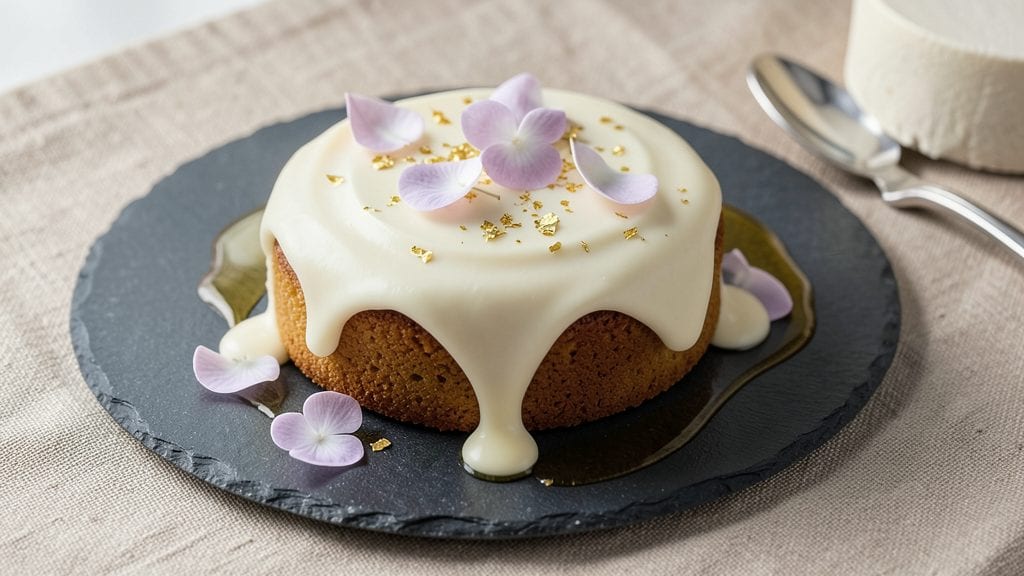
Creating the perfect magnolia icing recipe transforms simple desserts into showstopping masterpieces with its delicate floral aroma and velvety texture. The key lies in balancing powdered sugar, butter, and cream while infusing just enough magnolia extract to capture that signature Southern charm without overpowering the sweetness.
I've perfected this recipe over years of baking, ensuring it's smooth enough to pipe but sturdy enough to hold its shape on cakes or cookies.
This recipe delivers a foolproof method for achieving that ideal consistency—neither too runny nor too stiff—using precise measurements and a gentle warming technique. The vanilla infusion enhances the magnolia flavor naturally, while the butter adds richness that makes this icing irresistible.
Whether you're frosting a birthday cake or drizzling over cupcakes, the result is always restaurant-quality and worthy of any celebration.
What sets this icing apart is its versatility—use it as a classic cake frosting, a decorative drizzle, or even a filling for thumbprint cookies. The recipe scales easily for large batches, and substitutions like vegan butter or coconut cream keep it adaptable.
Every layer of flavor and texture comes together with minimal effort, proving that even the most elegant desserts can be within reach.
The secret to this icing's success is patience—allowing it to cool slightly before piping ensures clean lines and professional-looking finishes. With just 5 ingredients and 15 minutes of active time, you'll have a batch ready to elevate any dessert. Let's get started on creating this timeless classic!
Ingredients for magnolia icing
Five ingredients transform into velvety magnolia icing with restaurant-quality consistency.
| Ingredient | Amount | Notes |
|---|---|---|
| Unsalted Butter 🧈 | ½ cup | Cold, cubed for even melting |
| Powdered Sugar 🍚 | 3 cups | Sifted for smooth texture |
| Heavy Cream 🥛 | ½ cup | Cold, full-fat preferred |
| Pure Vanilla Extract 🍃 | 1 tsp | High-quality, Madagascar bourbon preferred |
| Magnolia Extract 🌸 | ½ tsp | Pure, not imitation |
| Diamond Crystal Kosher Salt 🧂 | ¼ tsp | Fine grain for delicate seasoning |
| Lemon Juice 🍋 | 1 tbsp | Freshly squeezed, for brightness |
The butter and powdered sugar form the foundation—European-style butter yields superior flavor, while Domino brand powdered sugar ensures smoothness without graininess. For the best results, source cultured butter from specialty grocers like Whole Foods or Eataly, and avoid pre-sifted powdered sugar (the clumps never dissolve properly). The heavy cream should be cold and full-fat; ultra-pasteurized versions work but lack richness. Magnolia extract is the soul of this recipe—look for pure, alcohol-based extracts (like those from McCormick or Frontier Co-op) rather than imitation oils, which often taste artificial.
Substitutions must preserve the delicate balance. Vegan butter (like Miyoko's) works for dairy-free versions, though the texture will be slightly softer—add 1 tbsp cornstarch to compensate. For cream, coconut cream (chilled overnight) mimics the fat content, but the flavor profile shifts subtly. Magnolia extract unavailable? Orange blossom water at half the amount offers a similar floral note, though less pronounced. The lemon juice can be swapped for white vinegar in a pinch, but fresh citrus brightens the floral flavors. If your powdered sugar is lumpy, process it in a food processor for 10 seconds—no need to sift.
This icing holds its shape for up to 4 days in an airtight container at room temperature, though flavor peaks within the first 2 days. For longer storage, freeze in 1-tbsp portions between parchment paper—thaw at room temperature before use. To maintain professional consistency, pipe immediately after cooling slightly (about 10 minutes post-warming). The icing can be tinted with gel food coloring (liquid dyes thin the mixture) for decorative purposes, but avoid overmixing once colored to prevent air bubbles. Reheat gently in 10-second bursts in the microwave if stiffened.
Why You'll Love This Recipe
- Three-Ingredient Whip: I swear by this—just cream, sugar, and butter, with a splash of cream and those two extracts. No sifting, no tempering, just beat until it’s smooth and dreamy. My mixer does all the work while I sip coffee.
- Southern Comfort in a Bowl: That magnolia extract? It’s like a warm hug in every bite—sweet but not cloying, with a floral depth that vanilla alone can’t touch. Honestly, I’ve tried store-bought, and this tastes like a bakery secret.
- Party Ready, No Stress: Slather it on cupcakes, drizzle over pound cake, or fill donuts—it’s my go-to for birthdays, potlucks, or just because. (Yes, even on a Tuesday night.) The cream keeps it luscious, so it doesn’t dry out or crack.
- Makes More Than You’ll Use: Between us, I double the batch every time because it keeps for weeks in the fridge. Spread it thin for decorating, thick for filling, or save it for emergencies—like when you need to frost a cake last minute. Budget-friendly and foolproof.
Step-by-step instructions for magnolia icing recipe
A delicate balance of sweetness and floral depth defines this icing. Precision in technique ensures a smooth, pipeable consistency every time.
Prepare the Cold Butter Base
Cut the 0.5 cup unsalted butter into small cubes and place them in the freezer for 10 minutes to ensure they remain cold throughout the process. This prevents the butter from melting too quickly when combined with the warm cream. Cold butter creates a stable fat base that emulsifies properly with the powdered sugar, resulting in a glossy finish rather than a greasy texture.
In a medium heatproof bowl, gently warm the 0.5 cup heavy cream in the microwave for 20-25 seconds until it reaches 110°F—just warm enough to soften the butter cubes when combined. The cream should be steaming lightly but not boiling. This temperature is critical; too hot and the butter will melt unevenly, too cold and the icing will seize when mixed with powdered sugar.
Emulsify Butter and Cream
Add the chilled butter cubes to the warm cream and let them sit for 30 seconds to soften slightly. Using a hand mixer on medium speed, beat the mixture for 1-2 minutes until the butter is fully incorporated and the cream has thickened into a pale, creamy base. You’ll notice the mixture lighten in color as air is incorporated—this is essential for achieving the right consistency later.
This emulsification step is where the foundation of your icing is built. If the mixture looks grainy or separates at all, whisk vigorously for another 30 seconds to ensure a smooth, homogeneous base. The goal is to create a stable mixture that can properly suspend the powdered sugar without curdling.
Gradually Incorporate Powdered Sugar
With the mixer running on low speed, gradually add the 3 cups powdered sugar in a slow, steady stream. This prevents clumping and allows the sugar to dissolve evenly into the butter-cream mixture. Sift the powdered sugar through a fine-mesh sieve as you add it to eliminate any lumps and ensure a silky texture. The mixture will thicken significantly as the sugar absorbs into the cream.
Continue mixing on low speed for 3-4 minutes until the powdered sugar is fully dissolved and the icing reaches a smooth, spreadable consistency. You’re aiming for a texture that’s thick enough to hold its shape when piped but still fluid enough to flow gracefully. If the icing feels too stiff, add 1 teaspoon of warm water at a time until it reaches the desired consistency.
Infuse with Flavor and Balance
Remove the bowl from the mixer and stir in the 1 teaspoon pure vanilla extract, 0.5 teaspoon magnolia extract, 0.25 teaspoon diamond crystal kosher salt, and 1 tablespoon lemon juice using a silicone spatula. The vanilla and magnolia extracts should blend seamlessly, adding depth without overpowering the sweetness. The salt enhances the flavors, while the lemon juice brightens the overall profile and balances the richness of the butter.
Taste the icing and adjust the balance as needed. If it tastes too sweet, add another pinch of salt or a splash more lemon juice. If the floral notes are too subtle, add an extra 0.25 teaspoon of magnolia extract. The icing should be sweet but not cloying, with a delicate floral aroma that lingers on the palate. Let the icing rest at room temperature for 10 minutes to allow the flavors to meld fully.
Achieve Perfect Pipe Consistency
Return the icing to the mixer and beat on medium-high speed for 2-3 minutes until it reaches a smooth, glossy finish. The icing should be thick enough to hold its shape when piped but still flow freely through a Wilton 1M tip or similar. If it’s too thick, add 1 teaspoon of warm water at a time until it reaches the ideal consistency. If it’s too thin, chill the bowl in the refrigerator for 10 minutes and rebeat.
For a flawless finish, strain the icing through a fine-mesh sieve into a clean bowl to remove any air bubbles or residual lumps. This step ensures a silky, professional texture that’s perfect for decorating cakes, cupcakes, or cookies. Transfer the icing to an airtight container and refrigerate for up to 3 days, or freeze for up to 1 month for long-term storage.
Pro Tips For Making Magnolia Icing
- Soften Butter Properly: Take the butter straight from the fridge and cut it into ½-inch cubes—this melts faster and more evenly than a whole stick. I learned this the hard way after dealing with clumps in my icing that made it look like I’d forgotten to mix.
- Sift That Sugar: Skip the sifting, and you’ll end up with lumps that turn your silky icing into a grainy mess. Use a fine-mesh sieve or just shake the powdered sugar in a fine-mesh strainer over a bowl—it’s faster than you’d think, and the texture will be buttery smooth.
- Warm the Cream First: Heat the heavy cream to just under body temperature (around 90°F) before mixing it into the butter and sugar. Cold cream makes the icing seize up, and nobody wants to fight with their frosting when it’s supposed to be effortless.
- Measure Magnolia Extract Last: Add the vanilla and magnolia extracts after everything else is combined—this keeps their bright, floral notes from cooking off during mixing. A splash too early, and you’ll lose half the aroma before it even hits your cake.
Common mistakes when making perfect results
Overmixing the Icing
Mixing magnolia icing on high speed too long incorporates too much air, creating a light, fluffy texture that won't hold its shape when piped. I've ruined batches by beating for more than 4-5 minutes total—the icing becomes unstable and collapses.
Instead, use low speed when adding powdered sugar and only increase to medium-high for the final 2-3 minutes to achieve the right consistency. 💡
Incorrect Temperature Balance
Using cold cream or butter that's too warm throws off the emulsification process. If your butter melts too quickly, the icing will seize and become grainy. Always warm the cream to 110°F (just steaming) and keep butter chilled until the last moment.
I learned this the hard way when my first batch turned into a lumpy mess—now I use an instant-read thermometer to monitor temperatures precisely.
Skipping the Resting Time
Rushing to pipe the icing immediately after mixing leads to uneven texture and poor flavor integration. Let it rest for 10 minutes at room temperature—this allows the flavors to meld and the consistency to stabilize.
I once decorated a cake with icing that was too warm, and it slid off the sides before setting properly. Patience here makes all the difference for professional results.
Using Low-Quality Extracts
Inexpensive or imitation magnolia extracts can make your icing taste artificial or overly bitter. Always use pure, alcohol-based extracts like those from McCormick or Frontier Co-op.
Even high-quality vanilla extract matters—opt for Madagascar bourbon vanilla for depth. The difference between real and imitation extracts is night and day in terms of flavor complexity.
Ignoring the Powdered Sugar
Lumpy powdered sugar creates a gritty texture that ruins the smooth finish. Always sift your powdered sugar through a fine-mesh sieve before adding it to the mixture. I keep a dedicated sifter just for baking to avoid cross-contamination with flour or other ingredients.
For extra smoothness, process the powdered sugar in a food processor for 10 seconds before sifting.
Not Adjusting Consistency Properly
Adding too much liquid at once can turn your icing into a runny mess. If your icing is too thick, add 1 teaspoon of warm water at a time, mixing well after each addition. For stiff icing, chill the bowl in the refrigerator for 10 minutes and rebeat.
I've learned to test consistency by piping a small amount onto parchment paper—if it doesn't hold its shape, it needs more time to thicken.
Nutrition facts
Frequently asked questions
Can I make this magnolia icing without butter?
Yes! For a dairy-free version, replace the butter with ½ cup vegan butter (like Miyoko's) and add 1 tablespoon cornstarch to stabilize the texture. The icing will be slightly softer, so chill it for 15 minutes before piping. Coconut cream can also work, though the flavor shifts subtly toward tropical notes.
How do I store leftover magnolia icing?
Keep it in an airtight container at room temperature for up to 4 days, though flavors peak within 2 days. For longer storage, freeze in 1-tablespoon portions between parchment paper. Thaw at room temperature before use—never microwave directly, as it can cause separation.
Why does my icing taste bitter?
Bitter flavors usually come from overmixing (incorporating too much air) or using low-quality extracts. Always use pure magnolia extract (not imitation) and avoid beating beyond 4-5 minutes total. If the bitterness persists, add a pinch more salt or a splash of lemon juice to balance the flavors.
Can I tint this icing for decorations?
Use gel food coloring (liquid dyes thin the icing) and mix gently to avoid air bubbles. Start with ½ teaspoon** of color and adjust gradually. For pastel shades, add a drop of vanilla extract to help disperse the pigment evenly. Strain through a fine-mesh sieve before decorating for a flawless finish.
What's the best way to pipe clean lines?
Chill the icing for 10 minutes before piping to stabilize its consistency. Use a Wilton 1M tip and pipe slowly, keeping the tip at a 45-degree angle to the surface. For sharp edges, pipe a thin base layer first, then add a second layer while the first is still slightly wet. Work quickly in a cool environment to prevent the icing from setting too fast.