Sauces & Condiments
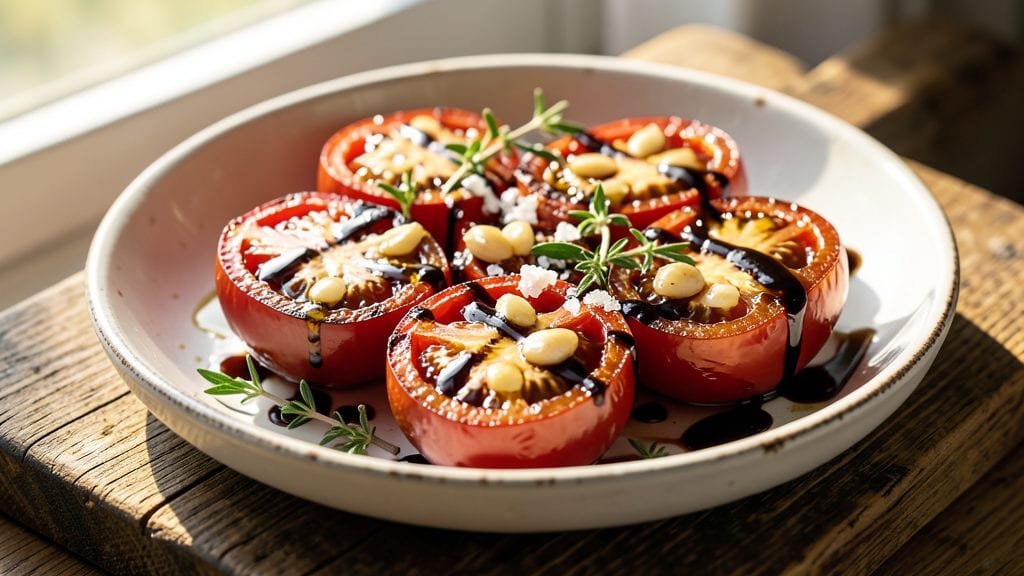
Transforming ordinary tomatoes into jammy, caramelized perfection is the secret weapon behind restaurant-quality dishes. This jammy tomatoes recipe delivers deep, concentrated sweetness through precise roasting and reduction—no shortcuts, just professional results. The key lies in slow caramelization that develops rich, jam-like texture while preserving the tomatoes' natural depth.
What makes this technique work is the combination of high heat and time—roasting tomatoes until their juices break down into a thick, syrupy consistency. The process transforms their acidity into complex sweetness, creating a versatile sauce that elevates everything from sandwiches to pasta.
Professional chefs rely on this method for its reliability and flavor impact.
By the end, you'll have tomatoes that are tender yet hold their shape, with a glossy sheen and intense sweetness that makes them irresistible. The result is a dish that feels both rustic and refined—perfect for serving as a side, topping, or even a standalone appetizer.
This is the kind of technique that turns simple ingredients into something extraordinary.
Use these jammy tomatoes on grilled cheese sandwiches, drizzled over bruschetta, or paired with charcuterie for a sophisticated touch. The possibilities are limited only by your creativity. Let's get started on creating this professional-quality dish at home.
Ingredients for jammy tomatoes
Transforming simple tomatoes into restaurant-quality jammy perfection requires just these eleven ingredients and precise technique.
| Ingredient | Amount | Notes |
|---|---|---|
| Roma Tomatoes 🍅 | 2 lb | Medium-sized, uniform for even roasting |
| Extra-Virgin Olive Oil 🫒 | ¼ cup | High-quality, fruity variety preferred |
| Garlic Cloves 🧄 | 4 cloves | Peeled, thinly sliced for even distribution |
| Fresh Thyme Leaves 🌿 | ¼ cup | Or 1 tbsp dried thyme if unavailable |
| Balsamic Vinegar 🍷 | 2 tbsp | Aged, robust variety for depth |
| Kosher Salt 🧂 | 1 ½ tsp | Diamond Crystal preferred for purity |
| Black Peppercorns 🌶️ | ½ tsp | Freshly cracked for optimal flavor |
| Granulated Sugar 🍬 | 1 tsp | Balances acidity in final reduction |
| Fresh Basil Leaves 🌿 | ¼ cup | Chopped for garnish and freshness |
| Red Wine 🍷 | ¼ cup | Dry, medium-bodied for depth (optional) |
| Fresh Rosemary 🌿 | 2 sprigs | For aromatic complexity (optional) |
The foundation begins with Roma tomatoes—their meaty texture and low water content make them ideal for caramelization. Whole Foods or local farmers' markets offer the freshest varieties, but any medium-sized tomatoes work if they're ripe and firm. Avoid overripe specimens with soft spots, as they'll break down too quickly. For optimal results, select tomatoes with vibrant color and minimal blemishes. Penzeys Spices carries excellent dried herbs if you prefer to use those instead of fresh, though fresh always delivers superior aroma. The olive oil should be extra-virgin with noticeable fruity notes—California Olive Ranch or Colavita are reliable brands for consistent quality.
No balsamic vinegar? Aged red wine vinegar works in a pinch, though the flavor profile won't be identical. Substituting dried herbs requires precise measurement—use one-third the amount of fresh by weight. The red wine, while optional, adds remarkable depth; Cabernet Sauvignon or Merlot work best if you choose to include it. For those avoiding alcohol, additional balsamic vinegar can compensate. The sugar is crucial for balancing the tomatoes' natural acidity—avoid artificial sweeteners, as they won't caramelize properly. Fresh basil and rosemary can be swapped for dried oregano and thyme at half the quantity, though the flavor will be less vibrant. Trader Joe's often carries affordable dried herb blends if you need a quick solution.
Store any unused fresh herbs wrapped in damp paper towels in a sealed container for up to 5 days. The roasted tomatoes will keep in the refrigerator for 4-5 days when stored in an airtight container with a thin layer of olive oil to preserve their moisture. For longer storage, portion into ice cube trays, freeze, then transfer to a sealed bag—these will last for 3 months and are perfect for quick use in sauces or sandwiches. The caramelized tomatoes develop even more complexity when reheated, so consider making a double batch for future meals. Portion into small containers for easy grab-and-go use on toast or bruschetta.
Why You'll Love This Recipe
- No Chopping Needed: I swear by this—just halve those Roma tomatoes and toss them in a hot pan with olive oil. No dicing, no peeling, no fuss. The skins soften right into jammy perfection while you’re still chopping the garlic.
- Sweet-Savory Magic: That balsamic glaze caramelizing on the tomatoes? Absolute bliss. The garlic and thyme add a punchy depth, but the real star is how the acidity balances the natural sweetness—like a grown-up version of tomato sauce, but better.
- Weeknight to Potluck: Make a big batch on Sunday, and you’ve got a week’s worth of toast toppings, pasta finishes, or charcuterie upgrades. (Yes, even on a Tuesday night.) It’s the kind of thing that disappears faster than you can say “second helping.”
- Pantry Staple Power: You’re probably already using these ingredients—olive oil, garlic, vinegar. No specialty items, no last-minute grocery runs. And if you end up with extras? Freeze them. They’ll taste just as good next month.
Step-by-step instructions for roasted jammy tomatoes
Here's how to transform simple tomatoes into intensely sweet, caramelized jewels with perfect texture.
Prepare and Roast the Tomatoes
Preheat your oven to 425°F and line two rimmed baking sheets with parchment paper. Cut the 2 lb Roma Tomatoes in half lengthwise, removing the cores and any seeds. This creates uniform surfaces for even roasting and maximum caramelization.
Arrange the tomato halves cut-side up on the prepared sheets, spacing them about 1 inch apart. Drizzle each tomato half with about 1 teaspoon of the 0.25 cup Extra-Virgin Olive Oil, being generous but not pooling. The oil will penetrate the tomatoes as they roast, creating that rich, jammy interior.
Roast for 20-25 minutes until the edges begin to blister and brown. You'll notice the tomatoes soften slightly and release their juices, which will pool beneath them. This is exactly what we want—those juices will reduce into a sweet, syrupy glaze during the final reduction.
Build the Flavor Base
Remove the roasted tomatoes from the oven and transfer them to a large skillet or deep sauté pan. Increase the heat to medium-high and add the 4 cloves Garlic Cloves, sliced thinly for even distribution. The garlic should sizzle gently—if it burns, reduce the heat slightly.
Add the 2 sprigs Fresh Rosemary and 0.25 cup Fresh Thyme Leaves, pressing them lightly into the tomatoes. This ensures their aromatic oils infuse into the flesh. Let everything cook together for 2-3 minutes until the garlic turns golden and fragrant, but not crispy.
Pour in the 0.25 cup Red Wine (if using) and the 2 tbsp Balsamic Vinegar, scraping up any browned bits from the bottom of the pan. These bits are packed with concentrated tomato flavor. Let the liquid simmer for 3-4 minutes until reduced by half, creating a glossy, syrupy base.
Season and Reduce to Perfection
Add the 1.5 tsp Kosher Salt, 0.5 tsp Black Peppercorns (freshly cracked), and 1 tsp Granulated Sugar to the pan. The sugar balances the acidity of the tomatoes and vinegar while enhancing their natural sweetness. Stir gently to combine, ensuring the seasonings coat every tomato.
Return the pan to medium heat and let the mixture simmer uncovered for 10-12 minutes. Stir occasionally, allowing the tomatoes to break down slightly and release their juices. You're looking for a thick, jam-like consistency where the tomatoes are tender but still hold their shape. The mixture should coat the back of a spoon with a glossy, syrupy texture.
Taste and adjust the seasoning if needed. The tomatoes should be sweet, slightly tangy, and deeply aromatic. If the mixture is too thick, add a splash of water or the reserved tomato juices to loosen it slightly.
Finish and Garnish
Remove the pan from heat and stir in the 0.25 cup Fresh Basil Leaves, chopped coarsely. The basil adds a bright, fresh contrast to the rich, caramelized tomatoes. Let the dish sit for 5 minutes to allow the flavors to meld fully.
Serve the jammy tomatoes warm or at room temperature. They're perfect spooned over crusty bread, drizzled with additional Extra-Virgin Olive Oil, or paired with grilled meats. The tomatoes should be tender enough to break apart easily with a fork but still retain a slight bite. Each bite should deliver a perfect balance of sweetness, acidity, and herbal depth.
Pro Tips For Making Jammy Tomatoes
- Char Tomatoes Slowly: Low and slow is the only way—think 20-25 minutes on medium-low heat. I used to rush this, and the tomatoes just turned mushy instead of jammy. Let them break down on their own; they’ll reward you with thick, glossy goodness.
- Blister Garlic First: Smash those garlic cloves flat with the side of your knife before adding them, then sear in olive oil until golden—about 2 minutes. This stops them from burning while building deeper flavor. (Yes, even if you’re impatient like me.)
- Salt the Tomatoes Early: Sprinkle a generous pinch of salt (½ teaspoon) right when you start cooking. It draws out moisture, helping the tomatoes concentrate into a jammy texture faster. Skip this, and you’ll end up with a watery mess.
- Deglaze with Vinegar Late: Wait until the tomatoes are deeply caramelized before adding balsamic vinegar—about the last 5 minutes. The acid brightens the dish but can turn bitter if added too soon. (And yes, use a good-quality vinegar; cheap stuff ruins the flavor.)
Creative variations of these flavors
Italian Bruschetta Twist
Transform these jammy tomatoes into classic bruschetta by layering them on toasted sourdough slices brushed with Extra-Virgin Olive Oil. Top with fresh mozzarella pearls and a sprinkle of flaky sea salt for an elevated antipasto.
The caramelized tomatoes add depth that traditional raw tomato bruschetta can't match. Serve immediately while the bread is still warm and crisp. 🍞
Grilled Cheese Upgrade
Elevate your grilled cheese sandwich by spreading a generous layer of these jammy tomatoes between sharp cheddar and Gruyère. The sweetness of the tomatoes balances the sharpness of the cheese beautifully.
Use sourdough or brioche bread for extra richness, and add a sprinkle of black pepper before pressing. This combination is a game-changer for lunch or a cozy dinner. 🧀
Pasta Sauce Shortcut
Simplify your weeknight pasta by using these jammy tomatoes as a base for spaghetti or linguine. Toss ½ cup of the mixture with 8 oz cooked pasta, 2 tbsp butter, and a handful of fresh basil.
Finish with a drizzle of Parmigiano-Reggiano for a restaurant-worthy dish in minutes. The caramelized tomatoes add depth without needing a full sauce. 🍝
Charcuterie Board Star
Create a showstopping charcuterie board by arranging these jammy tomatoes alongside prosciutto, aged cheeses, and marinated olives. Their sweet, jam-like texture contrasts perfectly with salty cured meats and creamy cheeses.
Add crusty bread and nuts for balance. The tomatoes become the star of the board, drawing everyone's attention. 🧀✨
Breakfast Hash Topping
Add a sweet-savory twist to breakfast by spooning these jammy tomatoes over potato hash or shakshuka. Their caramelized sweetness pairs beautifully with the earthiness of potatoes and the richness of eggs.
Top with feta cheese and toasted pine nuts for a brunch dish that feels special. This unexpected combination wakes up your taste buds. 🍳
Stuffed Avocado Booster
Level up stuffed avocados by mixing these jammy tomatoes with creamy goat cheese and crumbled feta. The sweetness of the tomatoes balances the tanginess of the goat cheese beautifully. Add a sprinkle of toasted pumpkin seeds for crunch. This combination turns a simple snack into a sophisticated bite. 🥑
Nutrition facts
Frequently asked questions
Why do I need to roast the tomatoes before making them jammy?
Roasting breaks down the tomatoes' cell walls, releasing natural sugars and concentrating their flavors into a thick, syrupy texture. The high heat caramelizes the sugars, creating that rich, jam-like quality that raw tomatoes can't achieve. This step is essential for developing the deep, sweet flavor profile.
Can I use regular tomatoes instead of Roma tomatoes?
While Roma tomatoes are ideal due to their meaty texture and low water content, you can use other varieties like vine tomatoes or heirlooms. Just be prepared for more liquid—drain excess juices during roasting and reduce the final mixture longer. The flavor will be slightly different but still delicious.
How do I know when the jammy tomatoes are done?
The perfect jammy tomatoes should be tender but still hold their shape, with a glossy, syrupy consistency that coats the back of a spoon. They should be sweet, slightly tangy, and deeply aromatic. If they're too thick, add a splash of water or reserved tomato juices to loosen.
Can I make this recipe ahead of time?
These tomatoes actually improve when reheated. Store them in an airtight container in the fridge for up to 5 days or freeze in ice cube trays for 3 months. Reheat gently in a saucepan or microwave, stirring occasionally until warm. The flavors meld beautifully over time.
What if my tomatoes turn out too acidic?
Add a pinch more sugar (½ tsp) or a splash of balsamic vinegar to balance the acidity. The sugar helps caramelize the tomatoes further, while the vinegar adds depth. Taste as you go—adjust gradually until the flavors harmonize.