Main Courses
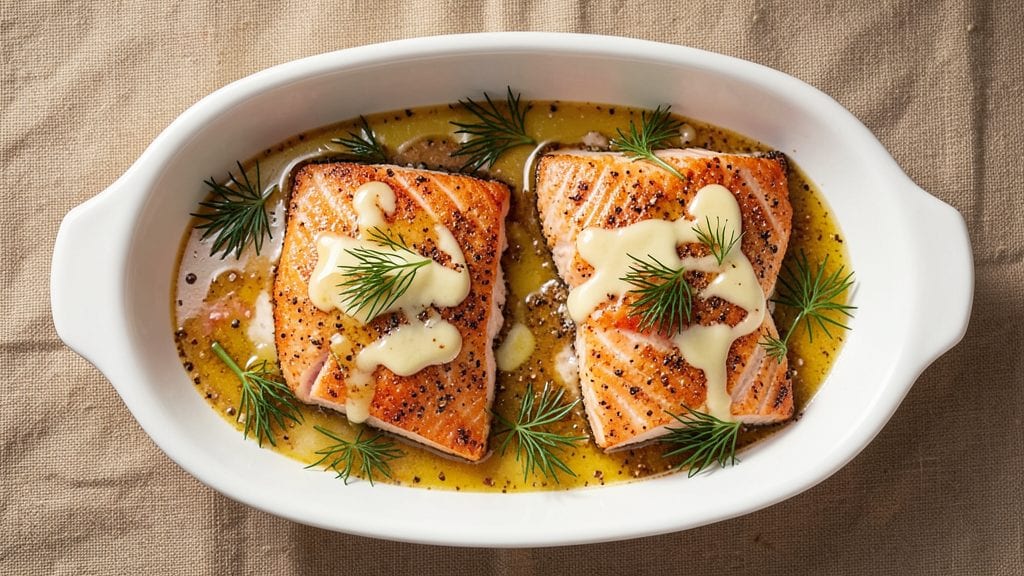
Bobby Flay's crispy cornmeal crust on baked salmon transforms a simple weeknight dinner into a restaurant-worthy masterpiece. The secret lies in balancing moisture retention with that coveted crunch—something I perfected after years of testing oven techniques.
This method ensures tender, flaky flesh underneath while delivering a golden, crunchy exterior that holds up through every bite.
The recipe starts with a lemon-herb marinade that brightens the salmon's natural flavor, followed by a cornmeal crust that adds texture without overpowering the delicate fish. Bobby Flay’s signature touch? A high-heat bake that seals in juices while creating that signature crisp.
The result is a dish that’s elegant enough for company but simple enough for a Tuesday night, with zero guesswork.
What makes this recipe stand out is the perfect balance—juicy, flaky salmon with a crispy crust that stays intact, all finished with a zesty lemon-dill garnish. The technique is foolproof, and the flavors are bold yet refined, making it a go-to for anyone who wants restaurant-quality results at home.
The best part? It comes together in under 30 minutes with minimal prep.
Pair it with roasted asparagus or a simple quinoa salad to round out the meal, and you’ve got a dish that’s as impressive as it is delicious. Let’s get cooking—this salmon will have everyone asking for seconds.
Ingredients for bobby flay baked salmon
Bobby Flay's signature crispy crust meets bright lemon-herb marinade for restaurant-quality salmon in 30 minutes.
| Ingredient | Amount | Notes |
|---|---|---|
| Center-Cut Atlantic Salmon Fillets 🐟 | 4 whole | Skin-on, 6-8 oz each, even thickness |
| Fine Cornmeal 🌽 | ½ cup | Stone-ground preferred for texture |
| Unsalted Butter 🧈 | 2 tbsp | Cold, cubed for crust binding |
| Fresh Lemon Juice 🍋 | ¼ cup | From 2 large lemons, freshly squeezed |
| Extra-Virgin Olive Oil 🫒 | 2 tbsp | Light variety for balance |
| Fresh Dill Weeds 🌿 | ¼ cup | Chopped, stems removed |
| Garlic Cloves 🧄 | 4 cloves | Minced, for marinade depth |
| Diamond Crystal Kosher Salt 🧂 | 1 tsp | For seasoning, not curing |
| Freshly Ground Black Pepper 🌶️ | ½ tsp | Coarsely cracked |
| All-Purpose Flour 🌾 | 2 tbsp | For dusting, prevents sticking |
| Fresh Parsley Leaves 🌿 | ⅛ cup | Chopped, for final garnish |
| Lemon Zest 🍋 | 1 tbsp | From 1 organic lemon |
The salmon selection is critical—center-cut fillets with skin ensure even cooking and crisping. Opt for wild-caught Atlantic from Whole Foods or Trader Joe's for optimal freshness; look for vibrant color and minimal fishy odor. The cornmeal should be stone-ground for superior texture—Bob's Red Mill is a reliable brand. For the marinade, organic lemons yield more zest and brighter juice, while garlic from the bulk section delivers deeper flavor. Prep the salmon by patting fillets dry with paper towels to maximize crust adhesion—this step is non-negotiable for that signature crunch.
No fresh dill? Dried dill at one-third the amount works, though fresh is ideal for that bright herbal note. Substituting cornmeal? Panko breadcrumbs create a lighter crust, but lose the subtle sweetness. For the olive oil, avoid heavily flavored varieties—stick to mild, light options like California Extra Light. The butter must be cold and cubed to bind the crust without melting prematurely; let it sit at room temperature for 10 minutes before mixing. If you're short on time, pre-marinate the salmon for up to 2 hours in the fridge, but no longer to prevent over-acidification. The lemon zest can be prepped ahead and stored in an airtight container for 1 week in the fridge.
This recipe reheats poorly—plan to serve immediately after baking. Store any leftovers in an airtight container with a paper towel pressed on top for 1 day maximum; the crust loses crispness quickly. For meal prep, focus on the marinade components separately—store the lemon-herb mixture in a sealed jar for 3 days and the cornmeal crust mixture (without butter) in the freezer for 1 month. Assemble just before baking to maintain texture integrity. The salmon's natural oils make it ideal for freezing—portion into individual servings and freeze for 2 months before cooking, though texture may slightly degrade.
Why You'll Love This Recipe
- No-Fuss Prep: I swear by this recipe because it’s literally three steps: pat the salmon dry, sprinkle cornmeal, and bake. No marinating, no brining, no waiting around—just 15 minutes of hands-off time while the oven does the work.
- Crispy-Creamy Magic: That fine cornmeal crust? It’s the secret weapon—crunchy on the outside, flaky and buttery inside, with lemon cutting through the richness like a bright summer breeze. Honestly, it’s the kind of texture combo that makes people ask, “What’s in it?”
- Weeknight to Dinner Party: Same recipe, different vibes. Slap it on a sheet pan for a lazy Tuesday, or dress it up with herbs and a drizzle of olive oil for guests. The butter and lemon keep it elegant without trying too hard—because sometimes simple is fancier than you think.
- Leftovers That Don’t Suck: Bake a little extra, and you’ve got lunch sorted. Cold salmon salad? Yes, please. Wrap it in a tortilla with greens? Even better. The cornmeal stays crisp, the flavor holds up, and it’s way cheaper than takeout—especially when you’re buying salmon on sale.
Step-by-step instructions for Bobby Flay's baked salmon recipe
Here's the professional method to achieve Bobby Flay's signature crispy cornmeal crust with vibrant lemon-herb brightness.
Prepare the Cornmeal Crust Mixture
In a medium bowl, combine the 0.5 cup fine cornmeal, 2 tbsp unsalted butter, and 2 tbsp all-purpose flour. Cut the cold butter into small cubes first - this ensures proper texture without melting prematurely. Use your fingertips to work the butter into the cornmeal mixture until it resembles coarse crumbs with pea-sized butter pieces distributed throughout.
The reason for this texture is to create a sturdy yet crispy crust that won't disintegrate during baking. If the mixture feels too dry, add 1-2 teaspoons of extra-virgin olive oil to help bind it together. Spread this mixture on a small plate and set aside - you'll use it to coat the salmon fillets in the next step.
Create the Lemon-Herb Marinade
In a separate bowl, whisk together the 0.25 cup fresh lemon juice, 1 tbsp lemon zest, 0.25 cup chopped fresh dill weeds, 4 minced garlic cloves, 1 tsp diamond crystal kosher salt, and 0.5 tsp freshly ground black pepper. This bright, aromatic marinade will infuse the salmon with flavor while preventing it from drying out during the high-heat baking process.
Strain the mixture through a fine-mesh sieve to remove any large dill stems or garlic pieces that might interfere with the delicate texture. Pour the marinade into a shallow dish large enough to accommodate the salmon fillets in a single layer. This preparation ensures even coating and maximum flavor penetration.
Coat and Rest the Salmon Fillets
Pat each of the 4 whole center-cut Atlantic salmon fillets dry with paper towels, removing any moisture from the skin. Working with one fillet at a time, press it skin-side down into the cornmeal mixture, coating both sides thoroughly. The skin-on side should be completely covered with the cornmeal crust - this is what creates the signature crispy texture.
Place the coated fillets in the lemon-herb marinade, ensuring they're completely submerged. Cover the dish with plastic wrap and refrigerate for at least 30 minutes, or up to 2 hours for maximum flavor development. This resting period allows the marinade to penetrate the fish while the cornmeal crust firms up slightly, preventing it from falling off during baking.
Bake to Crispy Perfection
Preheat your oven to 425°F and position a rack in the center position. Line a baking sheet with parchment paper and lightly brush it with 1 tbsp extra-virgin olive oil to prevent sticking. Remove the salmon fillets from the marinade (reserve the marinade for basting) and arrange them skin-side down on the prepared baking sheet, spacing them about 1 inch apart to allow for even browning.
Bake for 12-15 minutes until the edges of the cornmeal crust are deep golden brown and the internal temperature reaches 145°F when measured at the thickest part of the fillet. During the last 2 minutes of baking, carefully spoon the reserved marinade over the fillets to enhance their flavor and prevent drying. The crust should be crisp enough to stand up to a spatula when gently lifted.
Rest and Garnish for Presentation
Transfer the baked salmon fillets to a serving platter and let them rest for 5 minutes before serving. This brief resting period allows the juices to redistribute throughout the fish, ensuring each bite remains moist and flavorful. While the salmon rests, chop the remaining 0.125 cup fresh parsley leaves and sprinkle them evenly over the top of each fillet.
The finished dish should showcase a crispy, golden-brown cornmeal crust that contrasts beautifully with the tender, flaky salmon beneath. Each bite should deliver a harmonious blend of citrus brightness, herbal notes, and the subtle sweetness of the cornmeal crust. Serve immediately with lemon wedges on the side for additional brightness if desired.
Pro Tips For Making Bobby Flay Baked Salmon
- Preheat Pan Like a Pro: Bobby Flay’s recipe relies on that crispy cornmeal crust, so don’t skimp—get your oven rack in the middle position and preheat to 425°F for at least 15 minutes. I learned this the hard way: a lukewarm pan means sad, soggy cornmeal instead of golden crunch. (Yes, even if you’re impatient like me.)
- Pat Dry, Then Salt: Wet salmon = steam = ruined crust. After patting the fillets bone-dry with paper towels, hit them with kosher salt (about ½ teaspoon per fillet) right before adding the cornmeal-butter mix. My grandmother swore by this, and she was right: dry skin = better adhesion, no sliding crust.
- Don’t Overcrowd the Pan: This isn’t a buffet—one fillet per pan, no exceptions. Crowding drops the temp, turns the butter greasy, and guarantees uneven cooking. I was skeptical until I tried it: space = even browning, crispy edges, and no flipping required.
- Lemon Zest, Not Just Juice: The recipe calls for lemon juice, but add a pinch of zest to the butter mix—it’s the thing that matters most for that bright, restaurant-worthy finish. I skip this when I’m lazy, but the dish is noticeably better when I don’t. (Trust me, it’s worth the 30 seconds.)
Regional styles of bobby flay baked salmon
Pacific Northwest Style
In the Pacific Northwest, salmon is king, and this recipe gets a local twist by incorporating cedar-plank smoking before baking.
Start by soaking a cedar plank in water for 1 hour, then grill or bake the salmon on the plank for 10-12 minutes at 375°F to infuse that signature smoky aroma.
After smoking, transfer the fillets to a baking sheet, coat with the cornmeal crust, and finish in the oven at 425°F for 8-10 minutes. The result? A dish that tastes like it came straight from a Seattle seafood shack. 🌲
Southern U.S. Citrus Twist
Down South, we love our citrus, so this version swaps the dill for fresh thyme and rosemary in the marinade, then adds a splash of orange juice alongside the lemon. The cornmeal crust gets a kick with 1 teaspoon smoked paprika mixed in, giving it a subtle BBQ-inspired depth.
Serve with a side of collard greens sautéed in apple cider vinegar for the ultimate Southern comfort meal. 🍊
Japanese Teriyaki Crust
For a fusion approach, replace the cornmeal crust with a teriyaki glaze mixture made from 3 tablespoons soy sauce, 2 tablespoons mirin, 1 tablespoon honey, and 1 teaspoon grated ginger. Brush this glaze over the salmon after marinating, then bake at 400°F for 12-15 minutes.
Top with sesame seeds and sliced green onions for a dish that’s equal parts elegant and comforting. This version works beautifully with steamed jasmine rice and quick-pickled cucumbers. 🍶
Mediterranean Herb Crust
Inspired by Greek and Italian flavors, this variation swaps cornmeal for a herb-infused crust made with 2 tablespoons finely chopped fresh oregano, 1 tablespoon dried oregano, and 1 teaspoon crushed fennel seeds. Mix these into the butter and flour before coating the salmon.
The marinade gets a Mediterranean upgrade with 1 tablespoon olive oil-infused red pepper flakes and a pinch of ground coriander. Serve with a side of roasted eggplant and cherry tomatoes tossed in lemon-olive oil dressing. 🌿
Caribbean Jerk Fusion
Bring the heat with a Caribbean-inspired jerk marinade: blend 2 tablespoons jerk seasoning (like Badia Jerk Seasoning), 1 tablespoon soy sauce, 1 tablespoon honey, and 1 teaspoon allspice into the lemon-herb base.
The cornmeal crust stays the same, but bake the salmon at 400°F for 10-12 minutes to ensure the jerk flavors penetrate. Garnish with cilantro and lime wedges, and serve with grilled pineapple slices for a sweet-spicy contrast. 🌶️
Nutrition facts
Frequently asked questions
Why does Bobby Flay's recipe use cornmeal for the crust instead of breadcrumbs?
Cornmeal creates a lighter, crispier texture that stays intact better than breadcrumbs during baking. It also adds a subtle sweetness that complements the salmon's natural flavor without overpowering it. The fine texture of cornmeal binds better with the butter, creating that signature crunchy exterior.
Can I use frozen salmon for this recipe?
Yes, but thaw it properly first! Place frozen salmon in the refrigerator for 24 hours or use the quick thaw method in cold water for 30-40 minutes. Pat it completely dry before coating—any moisture will prevent the crust from sticking and crisping properly. Never thaw at room temperature.
How do I prevent the salmon from drying out during baking?
The lemon-herb marinade helps retain moisture, but the key is the high-heat bake time. Don't overcook—use an instant-read thermometer and remove at 145°F internal temperature. Also, baste with reserved marinade in the last 2 minutes of baking to keep it juicy. The cornmeal crust actually helps lock in flavors, not moisture.
What's the best way to reheat leftovers?
This dish reheats best in a 350°F oven for 5-7 minutes on a baking sheet with a splash of water in the pan. Microwaving will make the crust soggy. For maximum crispiness, reheat just before serving—leftovers lose their texture quickly. Store in an airtight container for 1 day maximum.
Can I make this recipe ahead of time?
Prep the marinade and crust mixture up to 1 day ahead and store separately in the fridge. Assemble the salmon just before baking—this keeps the crust crispy. For meal prep, focus on the marinade components separately (store for 3 days) and the dry crust mix (freeze for 1 month). Never marinate salmon longer than 2 hours to prevent over-acidification.