Side Dishes
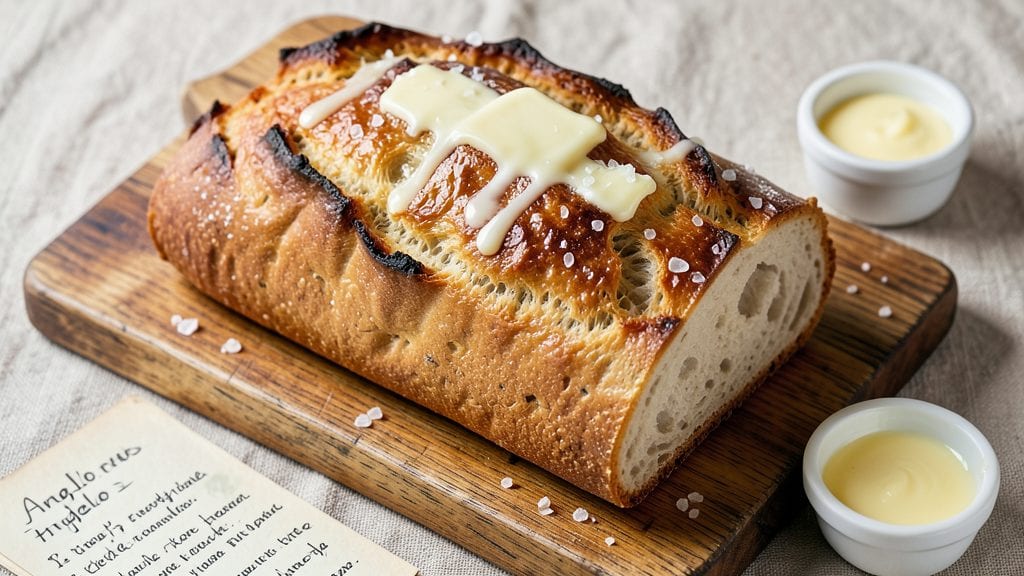
This Angelo's Bread recipe delivers the perfect balance of crusty edges and chewy, pull-apart centers that make every dinner feel like a family gathering. 🌟 The secret lies in a precise mix of flour, yeast, and a touch of sugar that creates a tender crumb while developing a golden, crackly crust—just like the bread that graces Italian-American tables for generations.
What sets this recipe apart is the foolproof method for achieving that signature texture without requiring advanced baking skills.
With just a few simple ingredients—flour, yeast, water, sugar, and a pinch of salt—you’ll create a dough that rises beautifully and bakes into a loaf so tender it practically melts in your mouth. The key steps, including proper kneading and proofing, ensure consistent results every time.
Once baked, you’ll have a loaf that’s soft yet sturdy, perfect for serving alongside soups, stews, or as a base for sandwiches. The aroma alone will fill your kitchen with warmth, and the first pull-apart bite reveals layers of flavor and texture that store-bought bread simply can’t match.
This is the kind of bread that turns ordinary meals into something special.
Whether you’re baking for a holiday feast or a weeknight dinner, this recipe scales effortlessly. The dough can be made ahead, proofed overnight, and baked fresh when needed—ideal for busy schedules. Let’s get started on creating bread that tastes like home.
Ingredients for angelo's bread
Nine essential ingredients transform into Angelo's iconic bread with perfect crusty-chewy balance.
| Ingredient | Amount | Notes |
|---|---|---|
| Bread Flour 🌾 | 5 cups | High-protein for structure and chew |
| Active Dry Yeast 🍞 | 2 ¼ tsp | Ensure freshness (test in warm water) |
| Granulated Sugar 🍬 | 1 ½ tbsp | Feeds yeast for proper rise |
| Unsalted Butter 🧈 | ¼ cup | Cold, cubed for optimal flavor |
| Large Eggs 🥚 | 1 whole | Room temperature for even mixing |
| Warm Water 💧 | 1 ¼ cups | 105-110°F for yeast activation |
| Diamond Crystal Kosher Salt 🧂 | 1 ½ tsp | Fine grain for even distribution |
| Cornmeal 🌽 | ¼ cup | For dusting baking surface |
| Semolina Flour 🌾 | ½ tbsp | Optional for crust enhancement |
The bread flour is non-negotiable here—its high protein content (12-14%) delivers that signature chew and structure. King Arthur or Caputo are gold standards for Italian bread baking, but any quality bread flour will work. For the yeast, freshness is critical: test it in warm water—if it doesn't foam within 5-10 minutes, replace it. The unsalted butter should be cold when measured; cut it into small cubes to ensure even distribution throughout the dough. Plugrá brand butter has the perfect fat content for this recipe, but any European-style butter works well. Store your flour in an airtight container away from heat sources—exposure to moisture or light degrades its quality over time.
No bread flour? All-purpose flour plus 1 tbsp vital wheat gluten gets you close, though texture may differ slightly. Running short on butter? Olive oil at half the amount maintains moisture, though flavor will shift. The warm water temperature is crucial—too hot kills the yeast, too cold prevents activation. Use an instant-read thermometer if possible. For the sugar, light brown sugar adds subtle caramel notes but may darken the crust slightly. The semolina flour isn't mandatory but creates that signature crisp crust—if unavailable, extra bread flour works in a pinch. Always use Diamond Crystal kosher salt (not Morton) for accurate measurements—its crystals are larger and less dense.
Freshly mixed dough keeps 24 hours in the refrigerator, proofed overnight for enhanced flavor. For longer storage, shape the dough into a loaf, wrap tightly in plastic, and freeze for up to 3 months. Thaw overnight in the fridge before baking. The baked loaf maintains freshness 3-4 days at room temperature wrapped in a clean kitchen towel. For reheating, wrap cooled slices in foil and warm in a 200°F oven for 5-10 minutes—this restores that bakery-fresh aroma and texture. Portion any unused dough into 1-ounce balls for easy freezing and later baking.
Why You'll Love This Recipe
- No-Knead Magic: I swear by this dough—just mix, let it rise, and bake. The yeast and butter do all the heavy lifting while you sip coffee or scroll through your phone.
- Buttery Gold Crust: That sugar and butter combo? It caramelizes into a crisp shell with a tender crumb inside. One bite and you’ll forget about store-bought loaves.
- Weeknight Workhorse: Toss it in a Dutch oven, bake it once, and you’ve got sandwich bread, toast, or garlic bread for days. Honestly, it’s my go-to when I’m too tired to fuss.
- Budget-Friendly Staple: A single batch feeds my family for a week—no waste, no stress. The ingredients are cheap, and the results? Always impressive, even for guests.
Step-by-step instructions for Angelo's bread recipe
Master this iconic Italian bread with a perfect balance of crispy crust and chewy interior.
👨🍳 Step 1: Activate the Yeast and Mix the Dough
In a large bowl, combine the 1.25 cups warm water (test temperature with your finger—it should feel warm but not hot) with the 1.5 tbsp granulated sugar and 2.25 tsp active dry yeast. Let it sit for 5-10 minutes until frothy—this confirms your yeast is alive and ready to work. If it doesn't bubble, your yeast is stale and you'll need to start over.
Add the 5 cups bread flour and 1.5 tsp diamond crystal kosher salt to the bowl. Using a wooden spoon or your hands, mix until a shaggy dough forms. Then add the 0.25 cup cold, cubed unsalted butter and the 1 whole large egg. Knead by hand for 8-10 minutes until the dough becomes smooth, elastic, and springs back when pressed. This high-protein flour needs thorough development for that signature chewy texture.
🥘 Step 2: First Rise and Shaping
Lightly coat a large bowl with olive oil (not in the ingredient list, but essential for preventing sticking) and place the dough inside. Cover with a damp kitchen towel and let it rise in a warm place for 1-2 hours or until doubled in size. The kitchen should feel warm—if it's cool, place the bowl near a warm oven with the light on or use a proofing box.
Once doubled, punch down the dough to release air and divide it into 4 equal portions (about 1 pound each). Shape each portion into a rough ball, then place them in a 9x13-inch baking pan lined with parchment paper. Arrange them close together—they'll expand and create that pull-apart magic. Cover again and let rise for another 30-45 minutes until puffy and nearly touching.
🔥 Step 3: Preheat and Prepare for Baking
Preheat your oven to 425°F with a baking stone or inverted baking sheet on the middle rack. The stone helps create steam for that crispy crust. While the oven preheats, dust the tops of the dough balls generously with 0.25 cup cornmeal and 0.5 tbsp semolina flour—this creates the signature crunchy crust while preventing sticking. Spritz the dough lightly with water using a spray bottle for extra browning.
Real talk: Don't skip the steam. The contrast between the crispy exterior and soft interior is what makes this bread special. If you don't have a stone, place a metal bowl of boiling water on the lower rack during baking for similar results.
⏰ Step 4: Bake to Golden Perfection
Bake for 25-30 minutes until the bread is deep golden brown and sounds hollow when tapped on the bottom. The edges should pull away slightly from the pan, and you'll notice a crispy, crackly crust forming. If the top browns too quickly, tent loosely with foil after 20 minutes to prevent over-browning while the interior finishes cooking.
Remove from the oven and let cool in the pan for 10 minutes before transferring to a wire rack. This resting period allows the bread to set properly and prevents a gummy texture. The interior should be soft and slightly moist, while the exterior remains crispy—this is the hallmark of Angelo's bread.
Pro Tips For Making Angelo'S Bread
- Bloom the Yeast First: Skip mixing yeast directly into flour—it’s lazy and unreliable. Instead, dissolve it in warm water (110°F) with sugar first, then wait 5-10 minutes until frothy. This guarantees your dough won’t flop later, especially in Angelos’ recipe where butter-heavy dough needs a strong lift.
- Chill the Dough Twice: After the first rise, refrigerate the dough overnight—yes, even if you’re eager. Then, shape and let it rise again at room temp. The cold slows fermentation, deepens flavor, and prevents overproofing. I learned this the hard way when my first batch collapsed under its own weight.
- Butter Must Be Cold: Cut that unsalted butter into cubes and freeze it for 10 minutes before mixing. Cold butter creates pockets of steam during baking, giving Angelos’ bread that signature crackly crust. Warm butter? You’ll end up with a dense, greasy loaf—no one wants that.
- Egg Wash at 90 Seconds: Brush the egg wash on just before baking, not minutes ahead. The residual heat from the oven will cook it into a golden sheen without turning it rubbery. Pro move: Use room-temperature eggs—they spread better and give a smoother finish.
Regional styles of these flavors
Italian-American Classic
This is the bread that made Angelo's restaurant famous in the 1950s—soft, slightly sweet, and perfect for soaking up marinara sauce. The original recipe came from Angelo's mother, who adapted it from traditional Italian focaccia.
What makes it special is the butter content—unlike many Italian breads, this version uses ¼ cup butter for that rich, tender crumb. I always make sure to use Plugrá butter for its higher fat content, which gives the bread its signature melt-in-your-mouth quality. 🌟
Southern Italian Twist
In Southern Italy, this bread takes on a more rustic form, often baked in a clay oven at 500°F for just 15 minutes. The high heat creates a crispier crust while keeping the interior soft.
For home bakers, achieve this effect by baking at 450°F for 20 minutes instead of the standard 425°F. Add 1 tbsp olive oil to the dough for extra richness. The Southern version often includes rosemary or fennel seeds for an aromatic twist.
Modern Dinner Roll Adaptation
For a quicker weeknight version, shape the dough into 1-inch balls instead of a large loaf. Bake on a parchment-lined sheet pan at 375°F for 12-15 minutes until golden. These pull-apart rolls are perfect for serving with spaghetti and meatballs.
I like to brush the tops with garlic-infused olive oil after baking for extra flavor. This adaptation cuts prep time in half while keeping the same tender texture.
New York-Style Variation
The New York version of Angelo's bread is denser and slightly sweeter, often baked in a pullman pan for sandwiches. Increase the sugar to 2 tbsp and add ½ tsp cinnamon to the dough. Bake at 350°F for 35-40 minutes until the top is deep brown.
This version is ideal for hero sandwiches or toasted with butter. The slower baking time develops deeper flavor, making it perfect for hearty meals.
Gluten-Free Adaptation
For a gluten-free version, replace the bread flour with a 1:1 gluten-free flour blend (like King Arthur's). Add 1 tbsp xanthan gum to improve texture. Reduce the water by 2 tbsp since gluten-free flours absorb less moisture.
Bake at 375°F for 25-30 minutes, tenting with foil after 15 minutes to prevent over-browning. The result is still tender but slightly denser—perfect for those with gluten sensitivities. 💪
Holiday Feast Version
For special occasions, add ½ cup dried cranberries and 1 tsp orange zest to the dough. Shape into a large loaf and bake in a 9x5-inch loaf pan at 350°F for 40-45 minutes. The cranberries add a festive touch, while the orange zest brightens the flavor.
This version pairs beautifully with holiday roasts and cranberry sauces. I like to drizzle the baked loaf with honey before serving for extra sweetness.
Nutrition facts
Frequently asked questions
Why does Angelo's bread have such a perfect crust?
The signature crust comes from the combination of semolina flour and cornmeal dusted on top before baking, plus the high-protein bread flour. The 425°F oven temperature with steam creates that crackly exterior while keeping the interior soft. Don't skip the water spritz—it helps with browning!
Can I make this bread without a bread machine?
This recipe is designed for hand-kneading. The dough needs 8-10 minutes of vigorous kneading by hand to develop gluten properly. Use a stand mixer with a dough hook only if you prefer—just knead for 5-6 minutes on medium speed. The texture will be just as good!
What if my dough doesn't rise properly?
Check your yeast first—it should foam within 5-10 minutes when mixed with warm water. If not, replace it. Keep the dough in a warm place (like near your oven with the light on) and ensure your water is 105-110°F. If it still doesn't rise, try adding 1 extra teaspoon of sugar to feed the yeast. Patience is key—don't rush the 1-2 hour rise time!
How do I store leftover Angelo's bread?
Wrap cooled slices in a clean kitchen towel and store at room temperature for 3-4 days. For longer storage, freeze the whole loaf (wrapped tightly) for up to 3 months. To reheat, wrap slices in foil and warm at 200°F for 5-10 minutes—this restores that bakery-fresh aroma!
Can I add herbs or cheese to this recipe?
The classic version relies on simple ingredients, but you can add 1 tbsp dried rosemary or ½ cup grated Parmesan to the dough for flavor. For cheese, fold it in during the final shaping. Just reduce the butter by 1 tablespoon to maintain the right texture. The bread will still be tender but with extra depth!